Last updated November 21, 2026
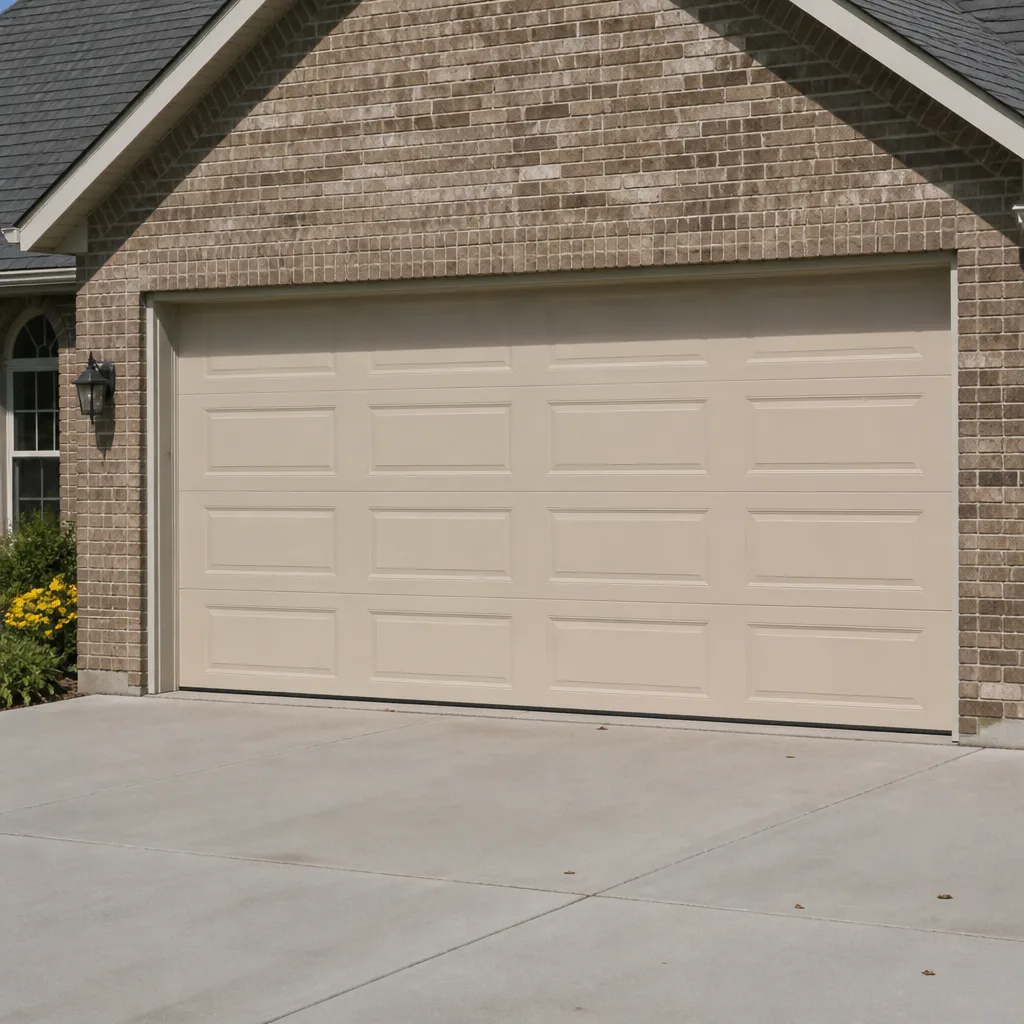 Raised-panel steel
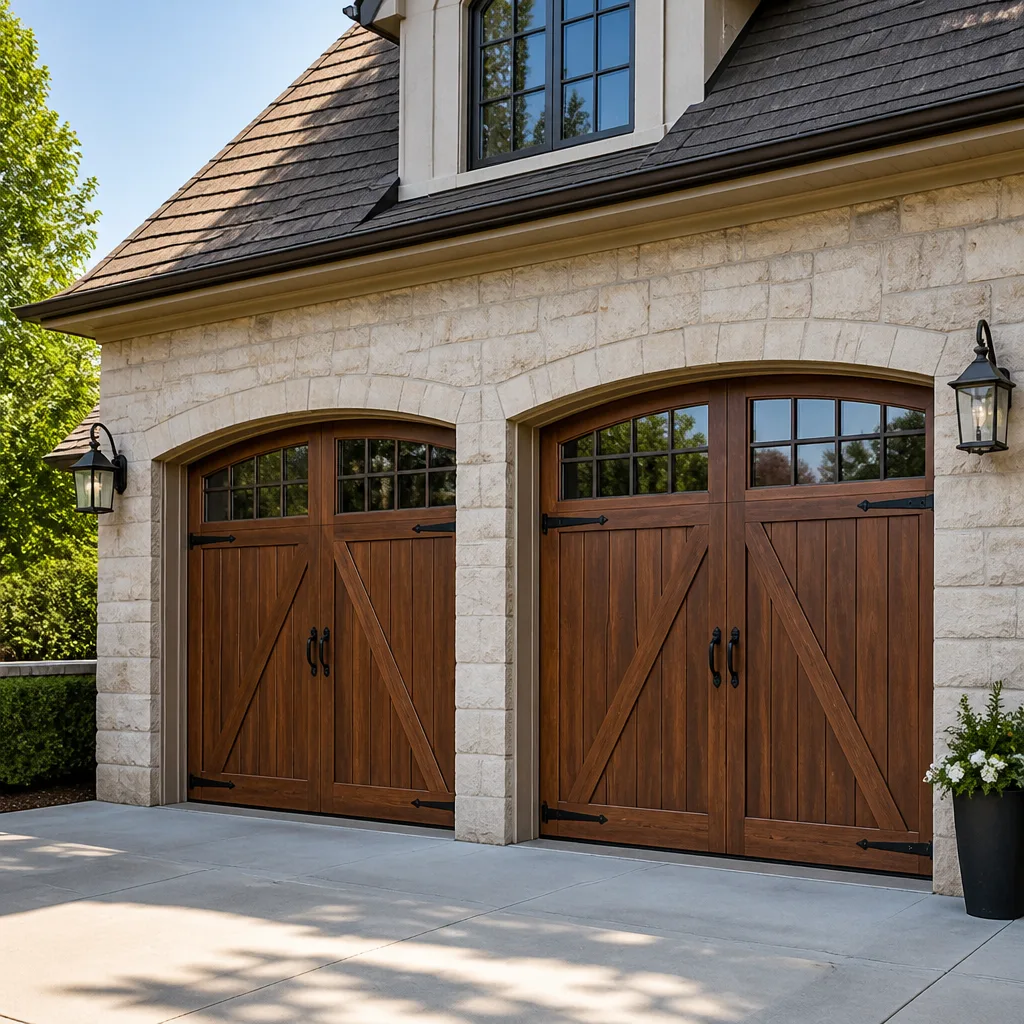 Carriage house
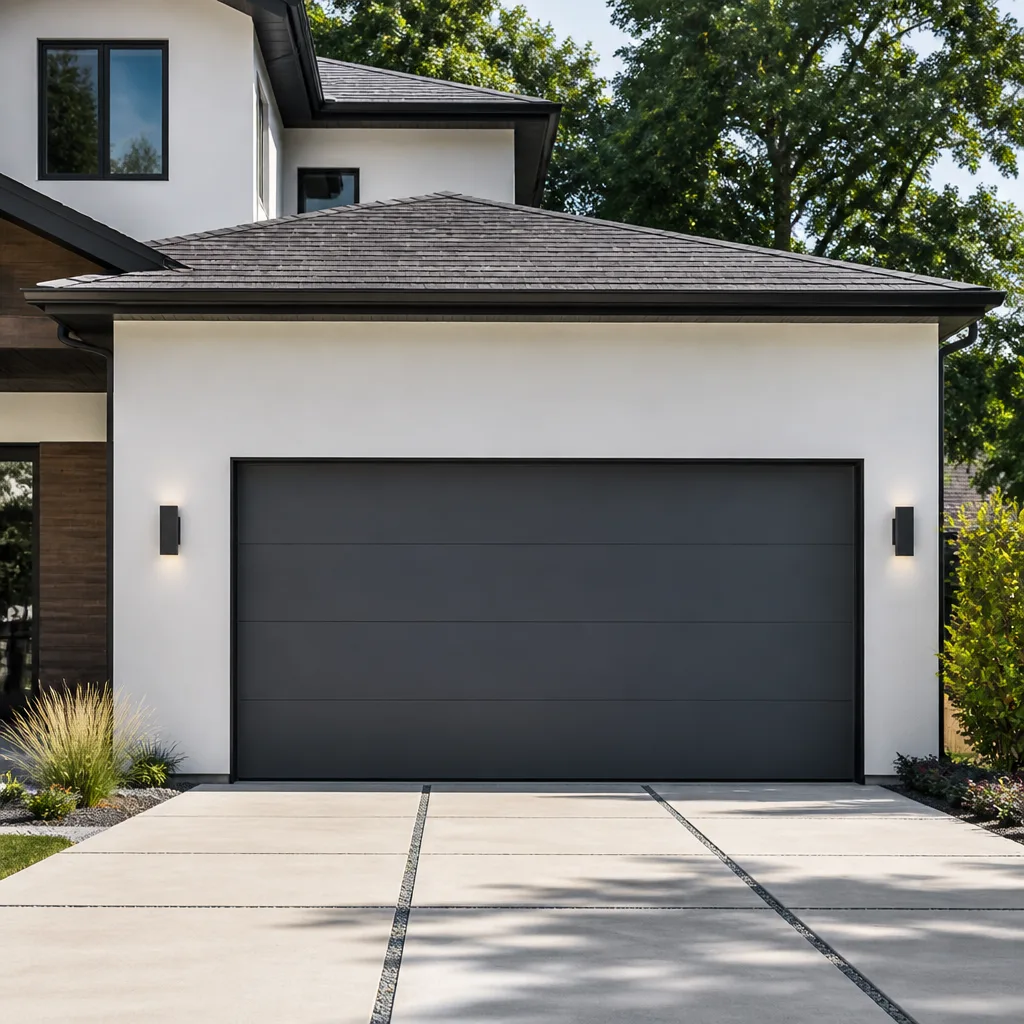 Modern flush
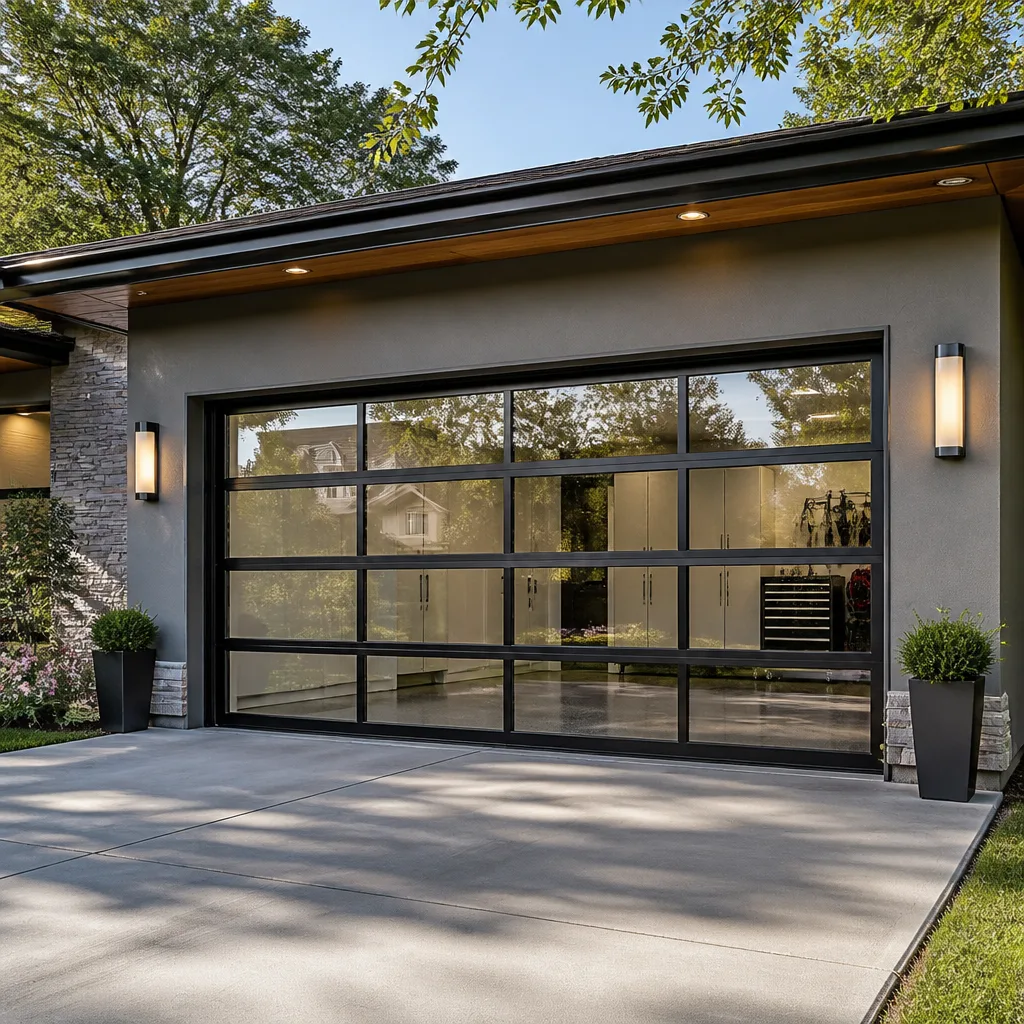 Full-view glass
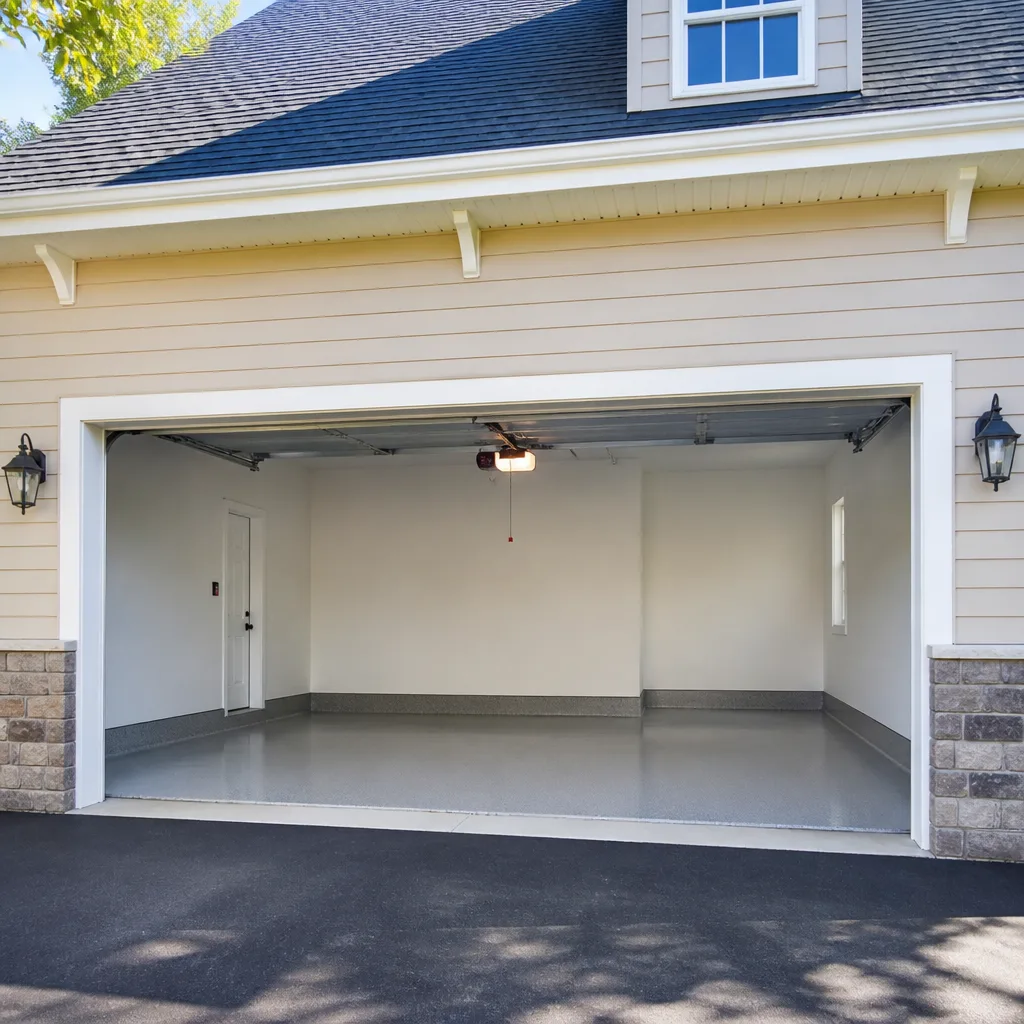 LiftMaster openers
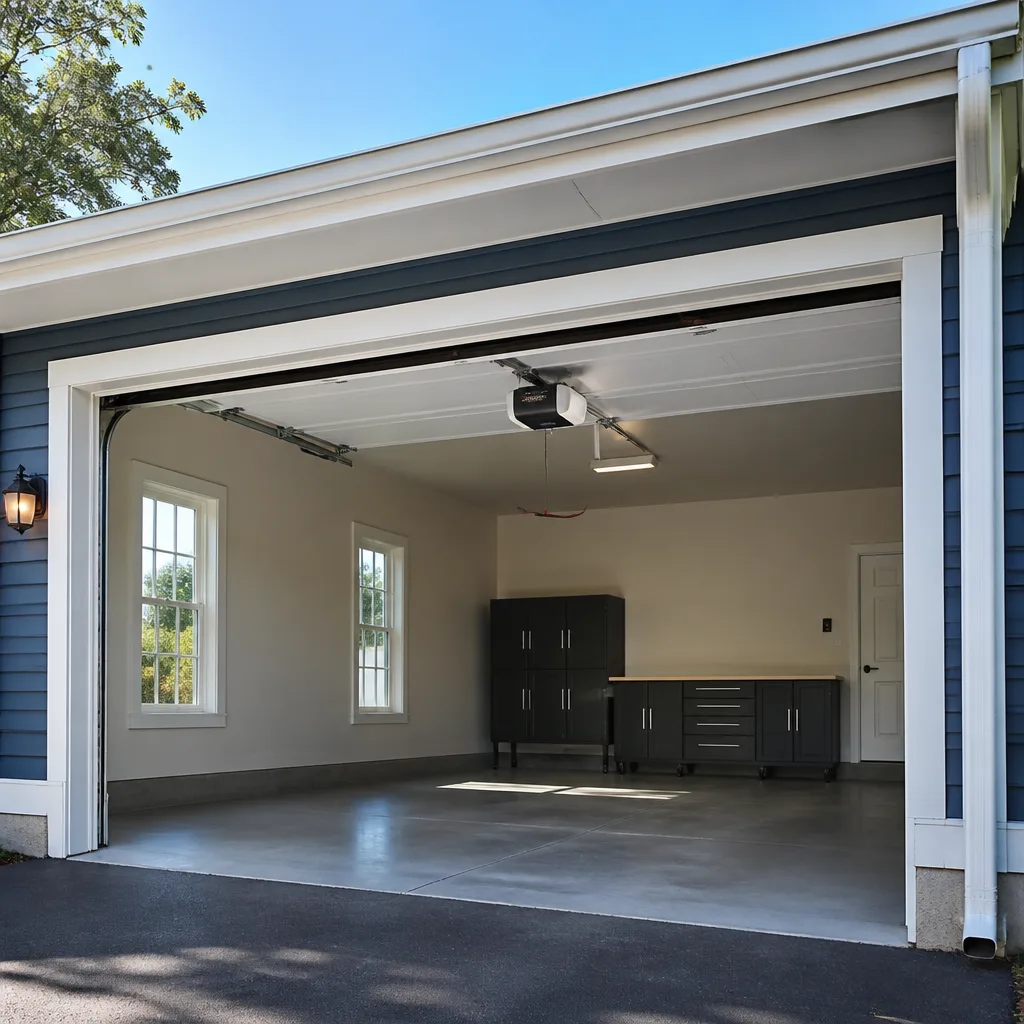 Chamberlain openers
Full 25-point door and opener safety check with every visit - springs, cables, rollers, tracks, and your LiftMaster or Chamberlain opener included
You get a price before we start. It does not change when the pro arrives.
Get your free estimateThe Complete Guide to Garage Doors in Lakewood
Most garage door advice you’ll find online was written for a house at sea level in a mild climate. Lakewood isn’t that house. At roughly 5,440 feet above sea level, the gap between a cold night and a sunny afternoon here can swing past 40°F in a single day, and that daily thermal cycling works on springs, bearings, and lubricants in ways a national guide never mentions. A door that behaves fine in April can start grinding by July without anyone touching it. This guide covers what actually matters for a Lakewood door: how elevation and temperature swings change spring tension, what local HOAs expect, when Jefferson County permits come into play, and how to decide between repair and replacement. Read it once and you’ll know your door better than most people who sell them.
Quick Answer
Garage doors in Lakewood need service tuned to high-elevation temperature swings: springs calibrated for the local range, lubricants that hold up through freeze-thaw cycles, and materials that satisfy HOA rules in neighborhoods like Green Gables and around Belmar. Most repairs don’t require a Jefferson County permit, but a full door replacement often does. Whether you repair or replace, the right first step is a proper diagnosis by a specialist who works on your door every day.
Styles & brands we work with
- Raised-panel steel
- Carriage house
- Modern flush
- Full-view glass
- LiftMaster openers
- Chamberlain openers
Table of Contents
- Why Lakewood’s Elevation Changes How Your Garage Door Works
- Spring Tension and the Front Range Temperature Swing
- Lubricants and Hardware in a Freeze-Thaw Climate
- HOA Design Rules in Lakewood Neighborhoods
- Do You Need a Permit in Lakewood and Jefferson County?
- Specialist vs. General Contractor vs. Big-Box Installer
- Repair or Replace? A Decision Map
- Openers and Brands You’ll Actually Find in Lakewood
Why Lakewood’s Elevation Changes How Your Garage Door Works
Altitude itself doesn’t break garage doors. What breaks them is what altitude does to temperature. Lakewood sits high on the Front Range, where the sun is intense and the air is thin and dry. A garage door facing west or south absorbs a lot of solar heat during the day, then radiates it away fast after sunset. That daily expansion and contraction is the single biggest driver of wear on a Lakewood door, and it’s why our technicians have up to 14 years of experience learning to read these patterns instead of treating every door like it exists in a vacuum.
Here’s what that cycling touches:
- Steel panels. They expand and contract constantly. Panel seams and hems take the stress first, which is why you’ll see paint lifting or a slight warp on older doors more often on sun-facing walls.
- Springs. Torsion and extension springs lose tension gradually as they cycle. In a climate with wide daily swings, that wear shows up faster than a homeowner expects.
- Lubricants. The grease that worked in a mild climate can thicken at night and thin out by afternoon. The wrong product gums up rollers or drains away, leaving metal on metal.
- Weather seals. Rubber and vinyl seals harden and crack faster when they’re exposed to strong UV and repeated freeze-thaw.
None of this means a Lakewood door is doomed. It means the maintenance schedule most manufacturers print assumes a gentler climate. Here, adjusting that schedule to the local reality is what keeps a door running quietly for its full service life instead of failing early.
Spring Tension and the Front Range Temperature Swing
Springs do the heavy lifting on every garage door, and they’re the part most affected by Lakewood’s temperature range. A torsion spring is calibrated to a specific amount of tension at a specific temperature. When that temperature moves 40°F between night and afternoon, the spring’s behavior moves with it, and a door that felt balanced one day can feel stiff or sloppy the next. This is why a spring replacement should always be matched to the door’s actual weight and the local conditions, not simply ordered off a chart.
Two things we see on the Front Range that national guides skip:
- Oversized springs. A technician unfamiliar with the local swing may install a spring rated for lighter use, and it fails sooner than it should. Correctly matched springs last far longer.
- Springs replaced in one season and tested in another. The right caliper measurement and cycle life matter more than the sticker price. A matched pair is the sound approach when either spring has failed, even if one still looks intact.
Safety note: a torsion spring holds serious stored energy, and a broken one can recoil violently. Never try to wind, unwind, or adjust a spring yourself, and don’t attempt to release a door with a snapped spring under load. This is one of the highest-risk jobs in the trade, and it’s for a trained technician. If you hear the loud bang of a spring letting go, keep the door closed and call for help rather than forcing it open.
When a spring fails, that’s a same-day situation for most homeowners, which is exactly why spring repair is its own dedicated service here and not an add-on to a list of other tasks. Learn more about how we handle garage door repair for Lakewood homes, including emergency spring work.
Lubricants and Hardware in a Freeze-Thaw Climate
The right lubricant is a decision most homeowners never think about, and it’s one of the simplest things that separates a quiet door from a noisy one. On the Front Range, lubricants face a hard test: cold nights can drop well below freezing, sunny afternoons warm things back up, and this happens over and over. A product that’s too thin runs off and leaves the rollers dry. A product that’s too thick gums up in the cold and makes the door sluggish.
What actually works in a Lakewood climate:
- Use a purpose-made garage door lubricant. It’s formulated to stay effective across the temperature range a door sees here. General-purpose oil is usually a poor fit.
- Focus on the moving parts. Rollers, hinges, and the spring itself get the most benefit. Wipe away old grit before applying anything new.
- Keep the tracks clean and dry. Tracks aren’t a lubrication target; grit and hardened grease are what make doors drag. A dry cloth and mild cleaner handle most of it.
- Check seals each season. A cracked bottom seal lets cold air and moisture in, which adds load to the whole system.
- Revisit the schedule through the year. A door that’s smooth in summer can need attention as temperatures drop in fall. Checking twice a year beats one big catch-up repair.
If you’d rather not get into the specifics, our garage door opener repair and general service visits always include a look at the moving hardware, and we can tell you plainly whether your lubricant is doing its job or working against you.
HOA Design Rules in Lakewood Neighborhoods
Lakewood’s HOA landscape is a real constraint on any door project, and it’s where national guides go completely silent. Neighborhoods like Green Gables and the area around Belmar have design standards that can dictate door material, color, and even the pattern of the door itself. If you’re planning a replacement, the time to read your HOA rules is before you order anything, not after the door is on the truck.
What Lakewood HOAs commonly care about:
- Color. Many require a specific palette that coordinates with the home’s existing trim and stucco or siding.
- Material. Some restrict replacement to steel or another approved material, which rules out a wood door even if you love the look.
- Style and pattern. Raised-panel versus carriage-house styles can be spelled out. A door that looks great on its own may still be against the guidelines.
- Architectural review. A lot of associations want approval before the door goes up, and they want it in writing.
The practical approach: pull your HOA documents, look for the section on architectural changes, and get any approval in writing before ordering. A specialist who installs doors in Lakewood regularly knows the common patterns these associations follow, which helps you avoid ordering a door you’ll have to return. When it’s time to move forward, garage door installation is where a proper measure and a written plan keep the project on track.
Do You Need a Permit in Lakewood and Jefferson County?
Here’s where a lot of homeowners get confused, and it’s worth getting clear before you spend money. Most garage door repairs in Lakewood don’t need a permit. Replacing or installing a new door that changes the opening or the structure of the doorway often does, because a full replacement can touch structural elements, and Jefferson County rules apply to the work. The exact requirement depends on the scope of your project and the city’s current code, so the only reliable answer comes from the source.
How to get it right:
- Ask the city’s building department directly. A quick call about your specific project saves a lot of second-guessing. Ask whether a permit is required for a like-for-like replacement versus a change in size or structure.
- Distinguish repair from replacement. Swapping a spring, roller, or opener is one thing. Taking out the whole door and putting in a new one is another. The second is where permit questions come up.
- Get it in writing. Whatever you’re told, keep the note. If a permit is needed, the written record protects you if an inspector or a future buyer asks.
- Don’t assume the installer handles it. Confirm up front who pulls any required permit, and get that in the estimate.
We don’t invent permit rules for a given address, and neither should anyone selling you a door. Ask your city’s building department about the specific project, then hand that answer to whoever does the work.
Specialist vs. General Contractor vs. Big-Box Installer
This is the choice most Lakewood homeowners actually face, and it gets less attention than the door itself. There are three common paths, and they’re not interchangeable.
A focused garage door specialist does only garage doors. That matters for parts. We work across LiftMaster, Chamberlain, Genie, Clopay, and other major brands, which means a common failure is often diagnosed and fixed with the right part the same day instead of “we’ll have to order that.” A specialist also knows the local climate and HOA landscape, so the recommendations fit the house in front of them.
A general contractor is set up for broad work. Garage doors are one small part of what they manage, and parts availability and specialized hardware knowledge are usually the gaps. For a door that also needs structural framing work, a GC can make sense; for a broken spring or an opener that won’t respond, it’s a detour.
A big-box installer is built around selling a new door. If your project is a replacement and you want a simple order, that path works for some people. What it rarely does well is diagnose and repair. Homeowners with a fixable problem often end up quoted a full replacement when a repair was the right call.
The core difference is focus. A specialist brings cross-brand knowledge and ready parts to a repair, and it’s why Garage Door Repair Lakewood Pros exists as a single-trade business. If you want the repair path looked at properly, that’s the starting point.
Repair or Replace? A Decision Map
This is the question that costs people the most money when answered wrong in either direction. Paying for a rebuild on a door that’s ready to fail is waste, and replacing a door with years left in it is also waste. Here’s how to think it through in Lakewood terms.
Lean toward repair when:
- The door is younger or in generally good structural shape.
- The failure is mechanical: a spring, roller, hinge, cable, or opener. These are the bread and butter of repair work.
- A single panel is dented or the door is sticking, but the panels and framing are otherwise sound.
Lean toward replacement when:
- Panels are rusted through, warped past adjustment, or the door has been in service long enough that multiple components are failing at once.
- The opener is old and parts for it are no longer made, so repair becomes a series of small dead ends.
- You’re planning to sell. Door replacement is one of the highest-payback upgrades in resale terms, and a tired door is one of the first things a buyer notices on a Lakewood house. If you’re staging for a sale, a fresh door is a visible, straightforward improvement.
- The current door no longer meets your HOA’s guidelines, which turns replacement into a design decision rather than a repair one.
A good rule of thumb: if more than one major system is failing at the same time, replacement deserves a hard look. If it’s one tired part on an otherwise healthy door, repair is almost always the better spend.
Openers and Brands You’ll Actually Find in Lakewood
Garage doors and openers aren’t one brand. A single street can have a dozen different setups, and knowing how to work on each one is the difference between a quick fix and a runaround. We service several of the most common platforms in Lakewood and across the Front Range, and it shows in how a service call goes.
Openers are their own small world. A classic Craftsman unit and a wi-fi-enabled LiftMaster are both extremely common, and the troubleshooting paths are different. The Craftsman might need a logic board or a sensor alignment. The LiftMaster might be a smartphone app that won’t connect or a safety sensor picking up late-afternoon glare. Knowing both the legacy systems and the smart-home-ready ones means we can usually sort out an opener that’s behaving oddly without replacing it out of frustration.
Doors are the same story. Clopay and other major door brands each have their own panel and hardware designs, and replacement parts aren’t universal. A specialist who works across these brands has the right part on hand or knows exactly which one to get, which is where those frustrating “we have to order that” delays come from with smaller shops. It’s also why we can get most homes back in working order today on common failures rather than scheduling a second visit.
Common Mistakes to Avoid
- Forcing a door with a broken spring. It’s tempting to try to open it by hand, but a door under stored tension can come down hard or recoil. Keep it closed and call a trained technician.
- Lubricating the tracks. Grease on the tracks traps grit and makes the door drag. The tracks want to stay clean and dry; the rollers and hinges want lubrication.
- Ordering a new door before checking HOA rules. In Lakewood neighborhoods like Green Gables and around Belmar, color and material restrictions are common. Get written approval first.
- Assuming a permit isn’t needed for a full replacement. Most repairs don’t need one, but a full replacement often does. Ask the city’s building department about your specific project rather than guessing.
- Replacing one spring while the other keeps cycling. Springs wear together; when one fails, a matched pair is the sound approach.
- Skipping maintenance because the door still opens. A door that works fine in summer can fail as the temperatures drop in fall. Twice-a-year checks are cheap; a mid-winter failure isn’t.
- Picking the first quote without asking who does the work. Confirm the installer’s experience, the parts they’ll use, and whether the price is fixed in writing before work starts.
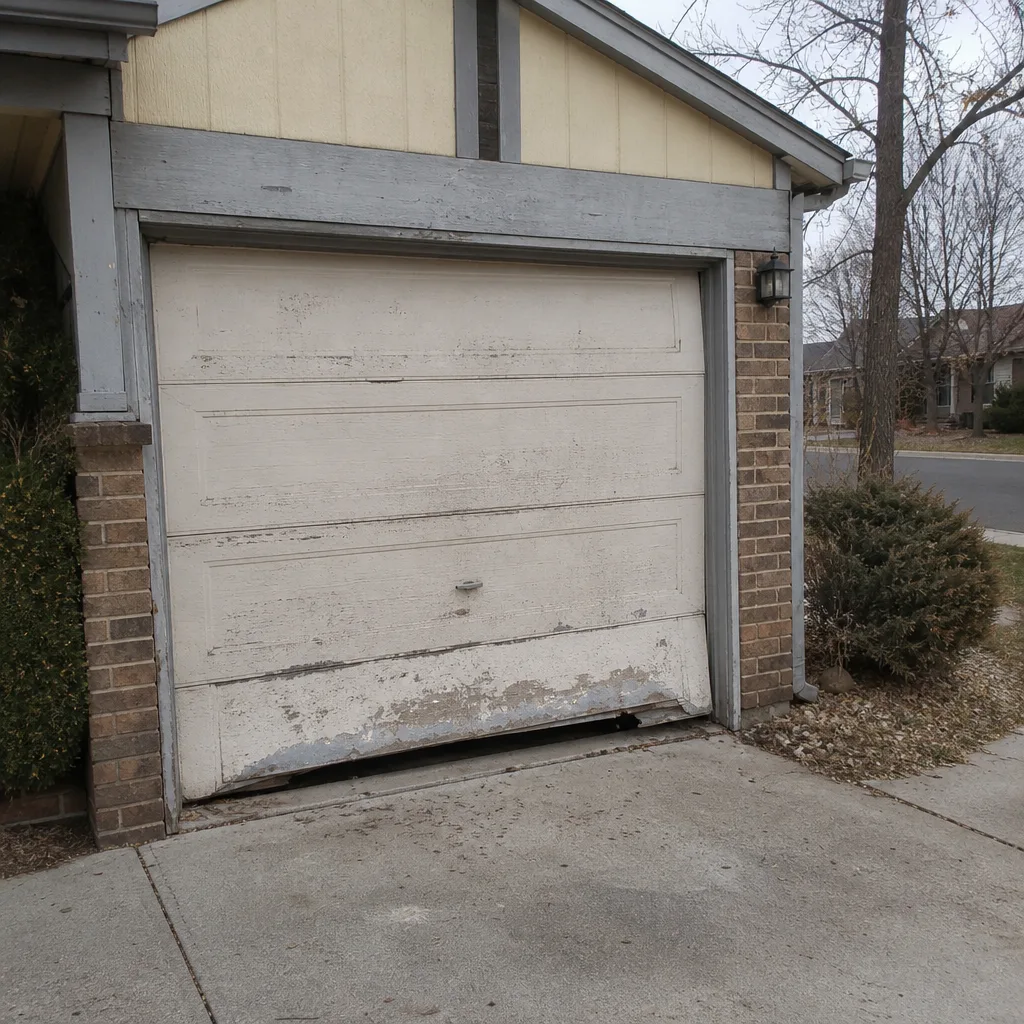
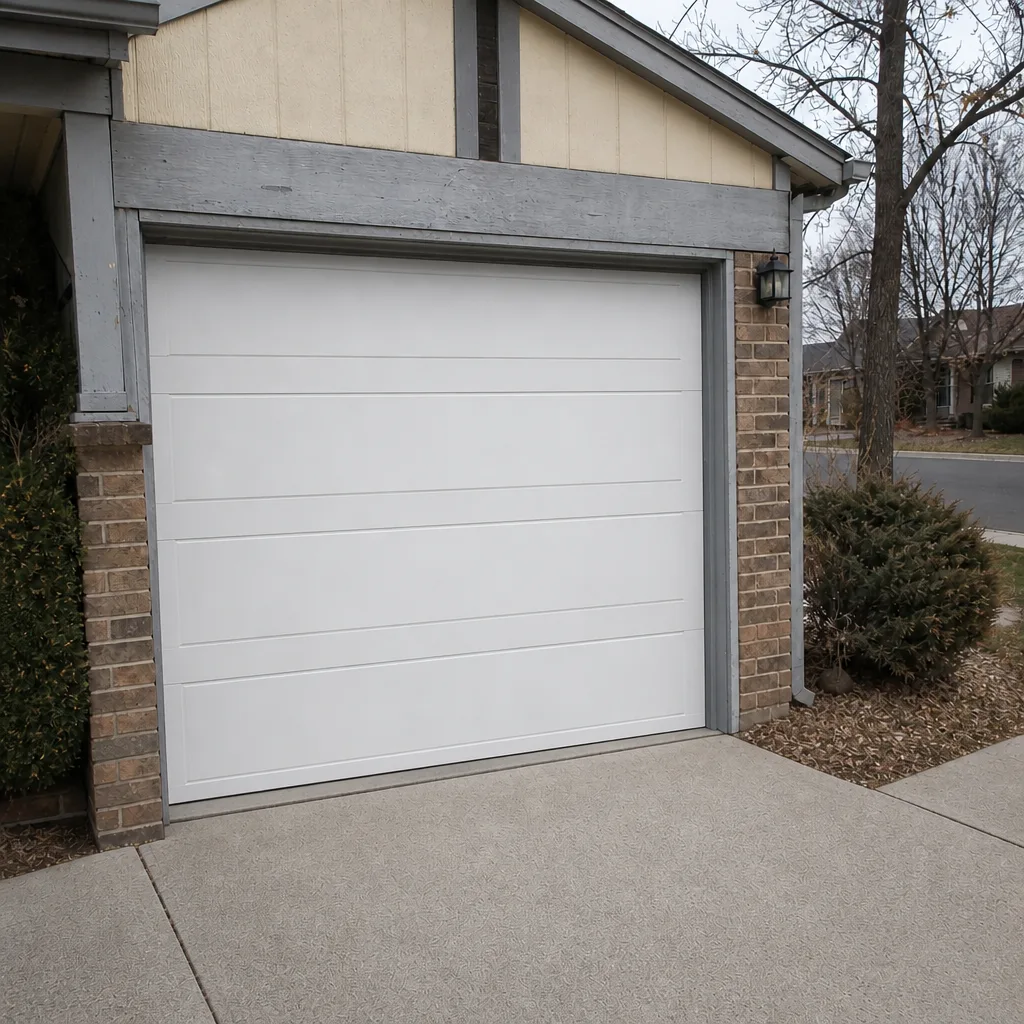
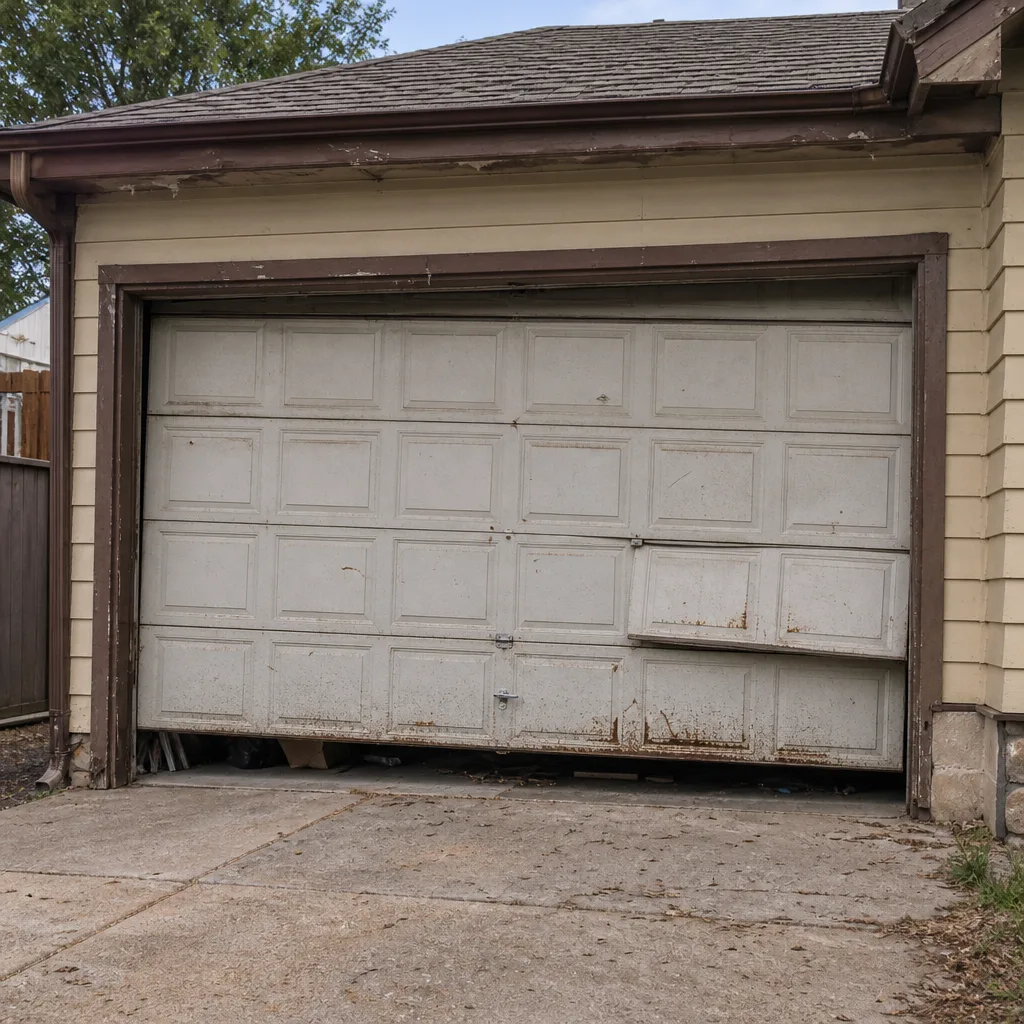
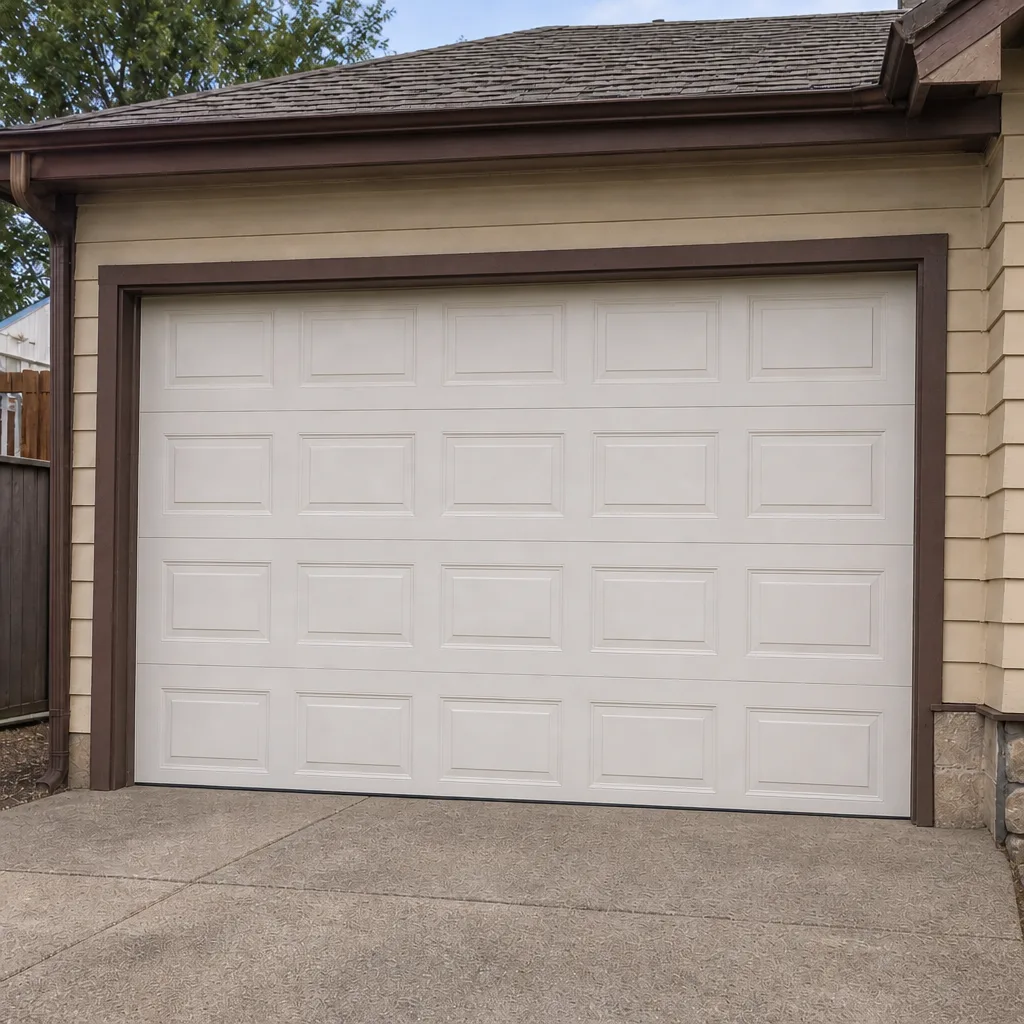
See the difference
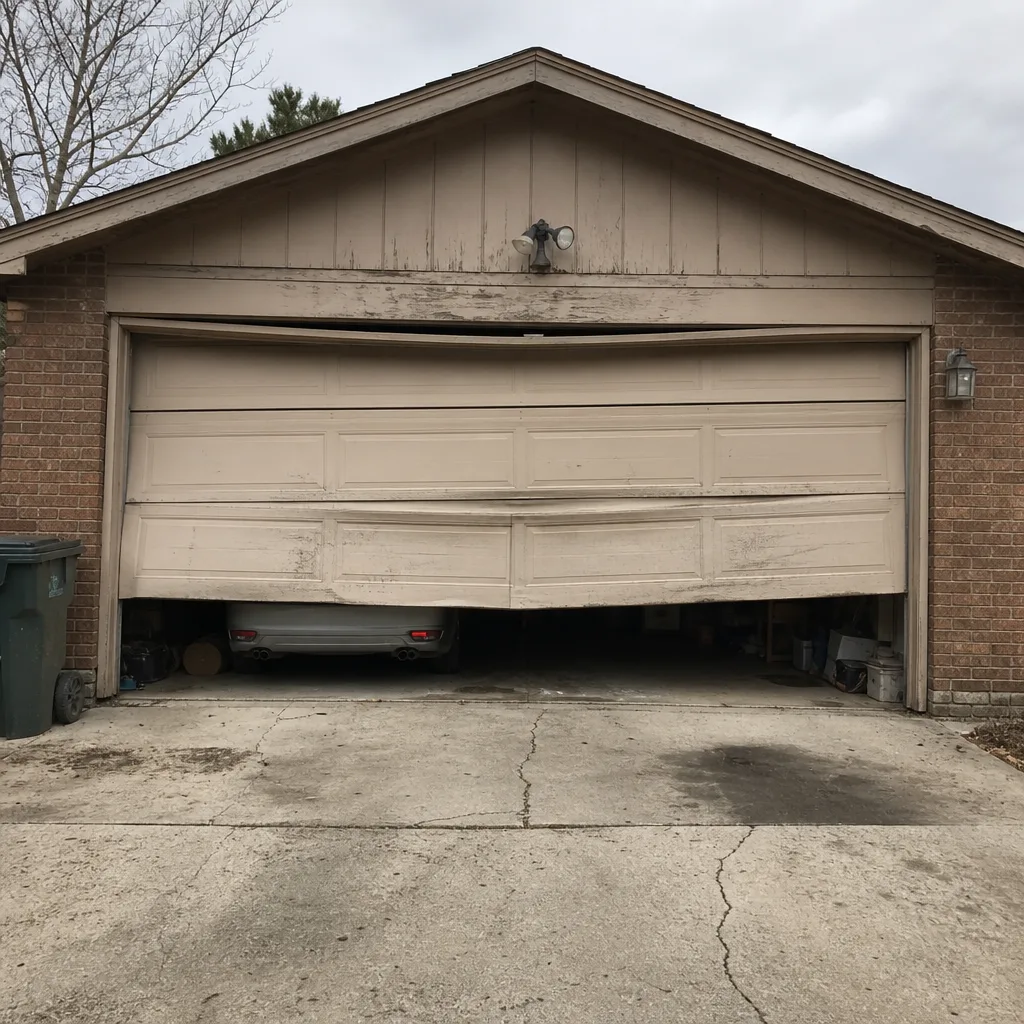 Before
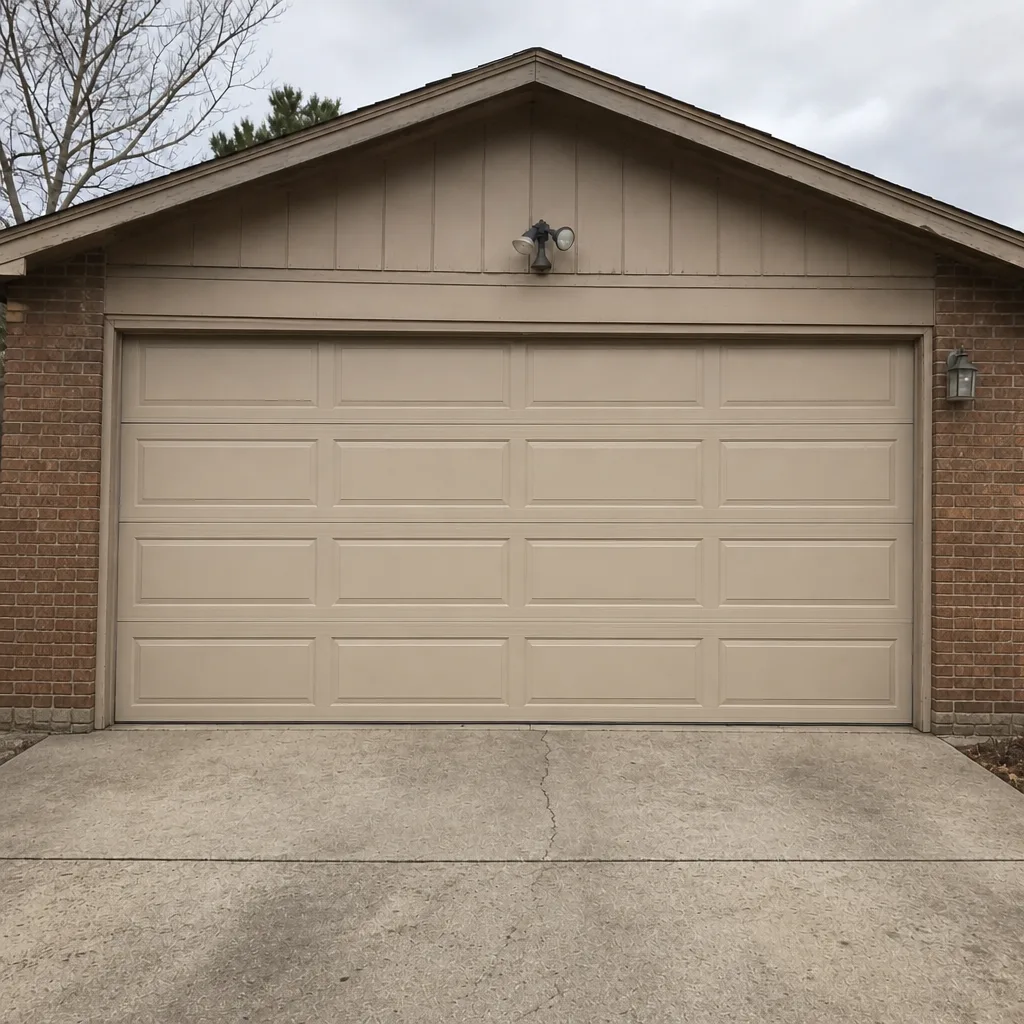 After
 Before
 After
 Before
 After
When to Call a Professional
Some things you can check yourself. Others shouldn’t be touched. Call a technician when a spring is broken, when the door comes off its track or hangs crooked, when cables look frayed or loose, or when the opener runs but the door doesn’t move. If you hear grinding, snapping, or a loud bang, stop using the door and get it looked at. Electrical work on openers, and anything involving the springs or cables, is where the real risk lives, and it’s not a DIY job. Our technicians have up to 14 years of experience across major brands, and Garage Door Repair Lakewood Pros offers free estimates in Lakewood. Call (833) 968-4997 to get a technician out and a written price in hand before any work begins.
Frequently Asked Questions
Most garage door repairs in Lakewood run in the low hundreds of dollars, and a spring replacement is typically the higher end of a simple repair. The written estimate sets the final price, and you’ll have it before work starts. Call (833) 968-4997 for an exact quote – estimates are free.
Often yes for a full replacement, and usually no for most repairs. The requirement depends on the scope and the city’s current code, so ask the City of Lakewood building department or Jefferson County directly about your project. Get the answer in writing before you order a door.
They’re the biggest driver of wear here. A daily swing of 40°F or more expands and contracts panels, loads the springs, and tests lubricants far harder than a mild climate does. Matching springs to the local conditions and using the right lubricant is what keeps a door quiet and reliable.
For common failures, in most cases yes. If it’s a sensor misalignment, a logic board, or a connection issue on a LiftMaster or Chamberlain unit, a technician can often diagnose and repair it today. Call (833) 968-4997 and we’ll confirm availability at (833) 968-4997 – estimates are free.
No. The written estimate is the price. We quote and agree on the work before anything starts, so an invoice for more than the quote isn’t a surprise you’ll have to handle. Call (833) 968-4997 for a free estimate.
The local professional we connect you with is licensed and insured as their state requires. Our technicians have up to 14 years of experience working across major brands. Call (833) 968-4997 to ask about credentials for your specific job.
The Bottom Line
A Lakewood garage door lives in a tougher climate than most national guides acknowledge. High elevation and daily temperature swings of 40°F or more work on springs, panels, and lubricants year-round, which makes calibration and product choice matter more than they would at sea level. Add local HOA rules and the repair-versus-replacement decision, and the right answer depends on the house, not a generic chart. The good news: a specialist who works on your brand, knows the local conditions, and quotes the work in writing before starting can sort out most problems in one visit. Garage doors are the only thing we do, and that focus is what keeps a job done right the first time. Call (833) 968-4997 for a free estimate.
Written by the team at Garage Door Repair Lakewood Pros.