Last updated November 21, 2026
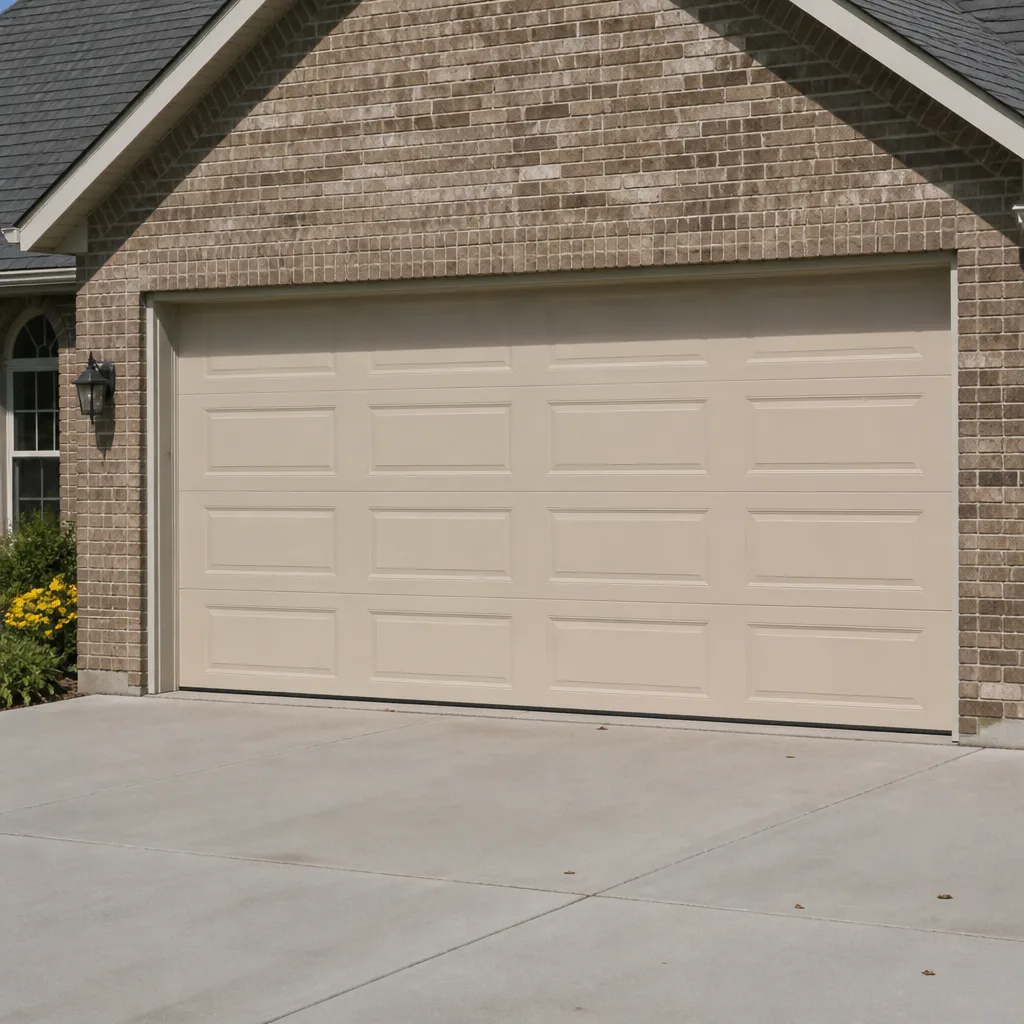 Raised-panel steel
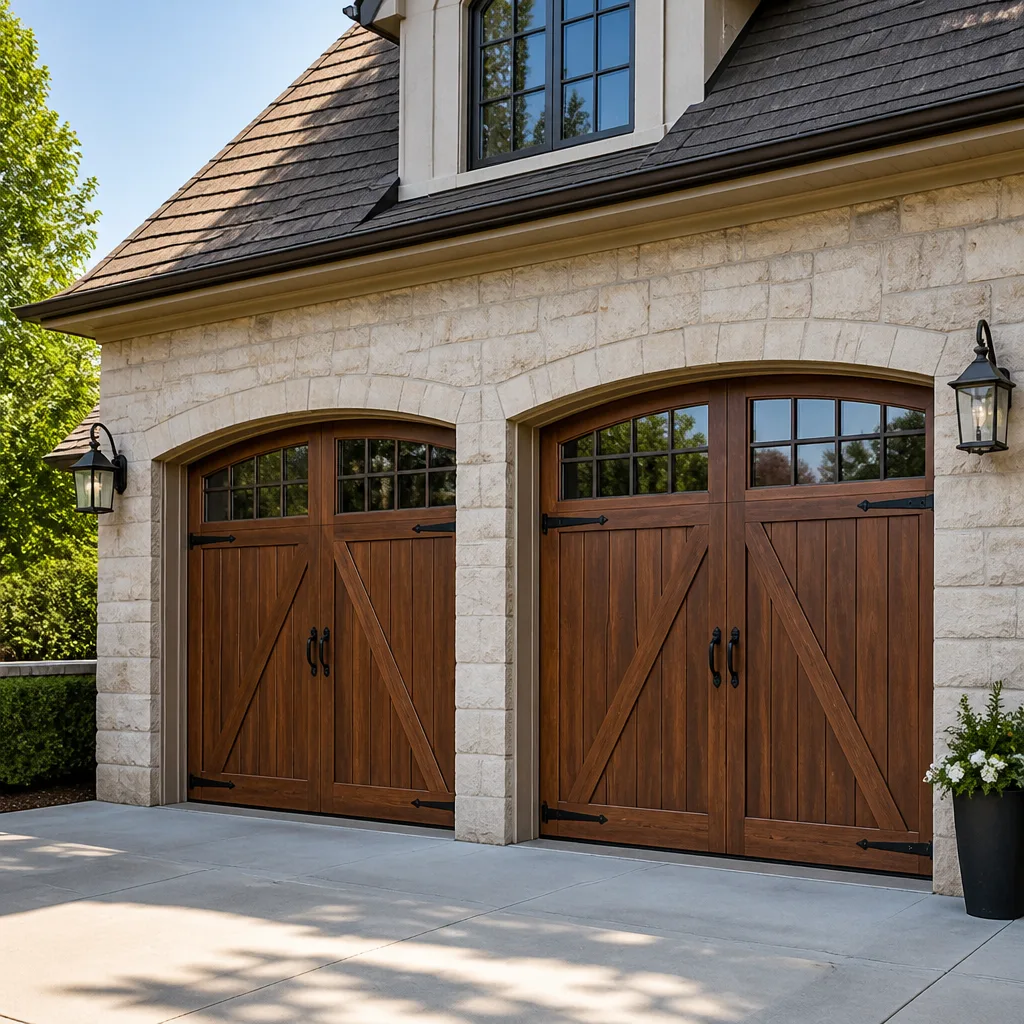 Carriage house
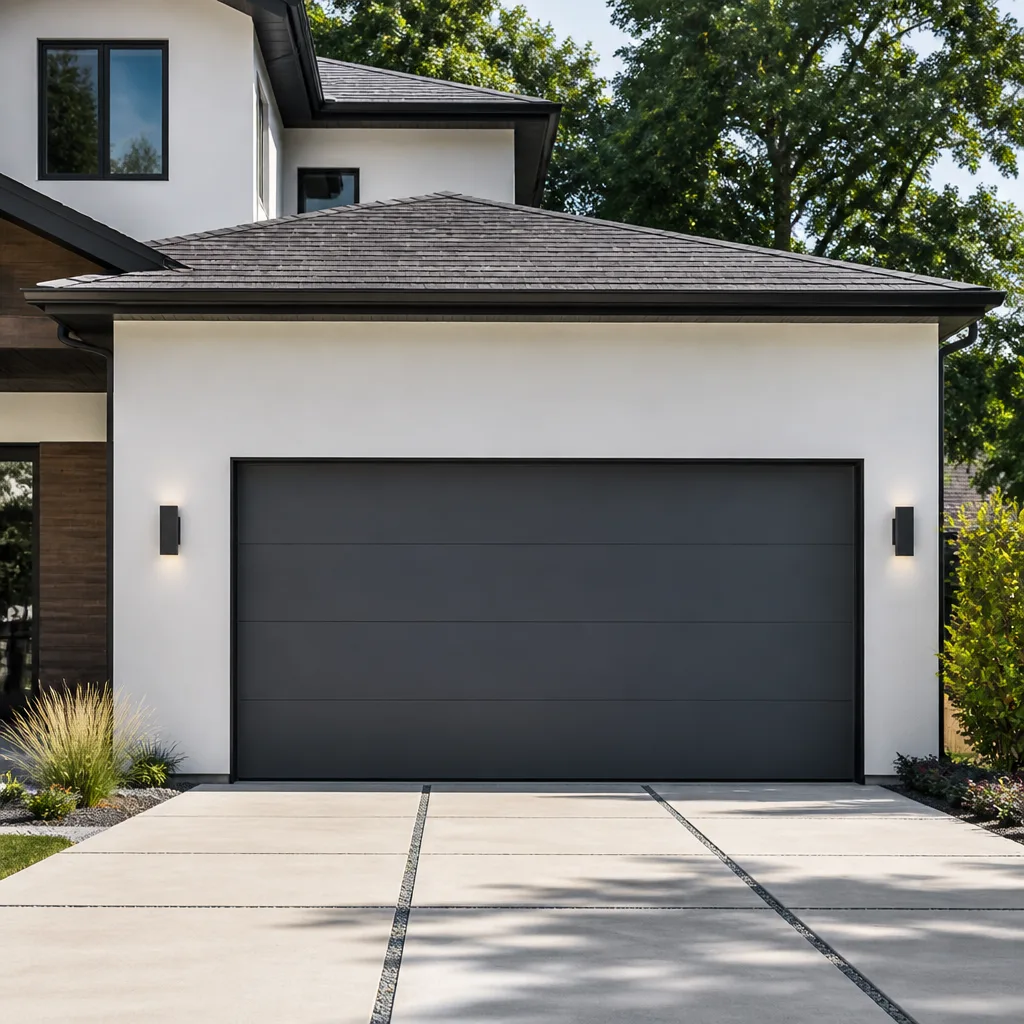 Modern flush
 Full-view glass
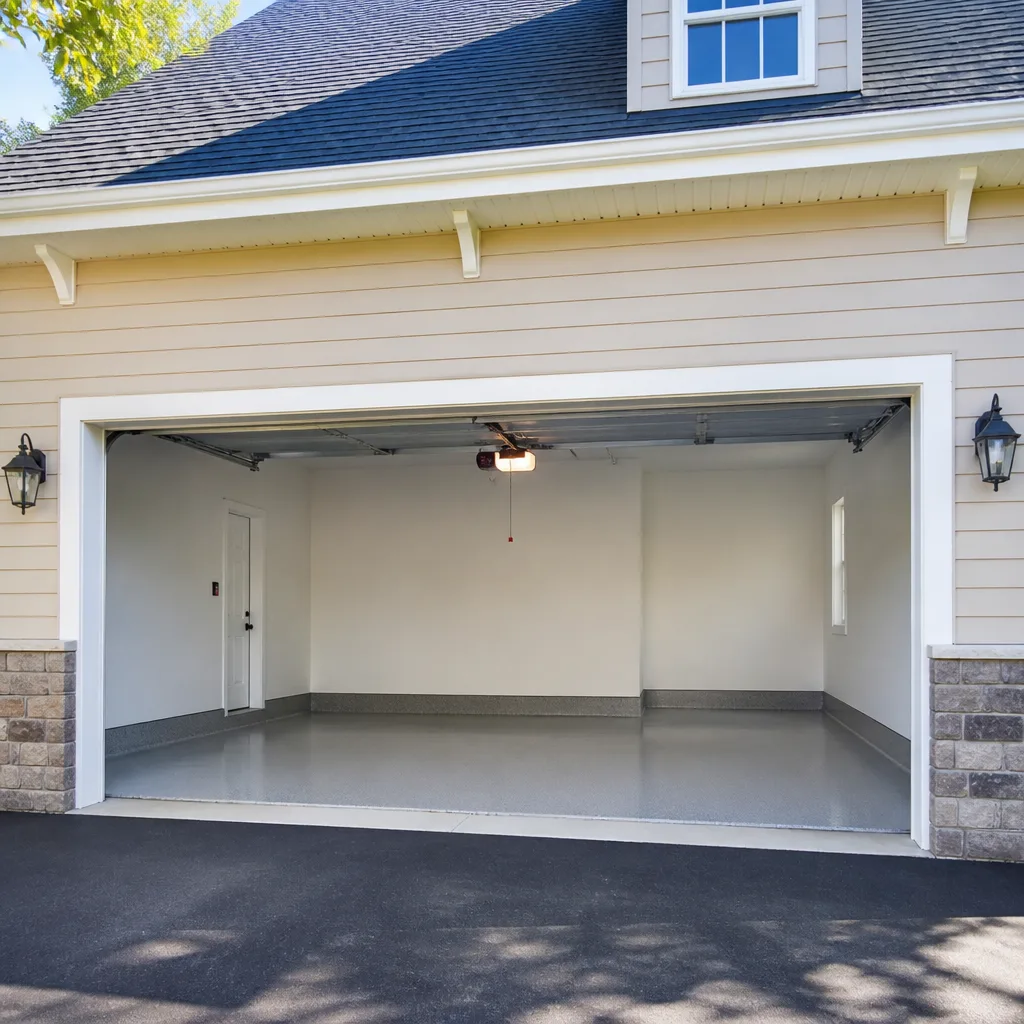 LiftMaster openers
 Chamberlain openers
Full 25-point door and opener safety check with every visit - springs, cables, rollers, tracks, and your LiftMaster or Chamberlain opener included
You get a price before we start. It does not change when the pro arrives.
Get your free estimateGarage Door Repair Maintenance Checklist for Lakewood Homeowners
The number one reason Lakewood homeowners call for emergency garage door repairs isn’t a sudden mechanical failure. It’s a maintenance task skipped in October that quietly compounded all winter. Springs stretch a little further, rollers flatten, and the bottom seal hardens. By the time the door stops opening in January, three small problems have become one big one. What follows is a maintenance checklist built for this city specifically, not a generic spring-and-fall routine copied from a manufacturer PDF. You’ll get a month-by-month schedule timed to Lakewood’s real seasons, which lubricants hold up under intense UV and sub-zero overnight drops, the hardware points that corrode fastest from road salt carried in off West Colfax and Alameda, and the one weatherstripping check most people miss until water finds its way in.
Quick Answer
A complete garage door maintenance routine in Lakewood means lubricating springs, hinges, and rollers twice a year, testing the auto-reverse and photo-eye safety systems once a month, checking the bottom weather seal before every wet season, and scheduling a professional tune-up when you hear grinding or see the door hesitate. Most of it takes fifteen minutes. The hard parts, mainly spring inspection and opener force adjustment, are best left to a trained technician because a torsion spring under load can cause serious injury if handled wrong.
Styles & brands we work with
- Raised-panel steel
- Carriage house
- Modern flush
- Full-view glass
- LiftMaster openers
- Chamberlain openers
Table of Contents
- Why Lakewood Doors Wear Differently
- Lubricants That Hold Up at Lakewood Altitude
- Road Salt and the Hardware That Corrodes First
- Month-by-Month Maintenance Calendar
- The Bottom Seal Check Everyone Misses
- Testing Auto-Reverse the Right Way
- Opener Care for LiftMaster, Chamberlain, and Genie Units
- Keeping Parts on Hand for Raynor and Other Brands
Why Lakewood Doors Wear Differently
Lakewood sits high enough on the Front Range that the sun hits harder than most people expect. UV intensity at this elevation breaks down rubber seals and plastic components faster than at sea level, and it does it year-round, not just in July. Then overnight temperatures plunge, sometimes by forty degrees. That daily swing is what actually wears a door out: metal expands in the afternoon sun and contracts after dark, and every cycle works fasteners and hinges a little looser.
Freeze-thaw cycles compound it. Meltwater from a driveway in the Green Mountain area seeps into hinges and behind weatherstripping, freezes overnight, and expands. Do that a few hundred times over a winter and small gaps widen. Doors near the Belmar corridor get a double dose because plowed streets push slush toward driveways and garage aprons.
What this means practically:
- Rubber seals age faster here than manufacturer replacement intervals assume.
- Metal fasteners loosen more often because of thermal cycling.
- Lubricants dry out and wash away faster than in a mild climate.
- Springs work harder because the door moves through a bigger temperature range.
None of this means Lakewood doors are unreliable. It means the maintenance schedule has to match the climate instead of a generic “check in spring and fall” instruction. If you’ve noticed your door sounding rough lately and want it looked at properly, our garage door repair service covers everything from rollers to cables.
Lubricants That Hold Up at Lakewood Altitude
Not every spray can on the hardware store shelf is built for this climate. The most popular options, white lithium grease and silicone spray, both have weaknesses at altitude. White lithium grease is thick when cold, so on a sub-zero morning it stiffens rollers and hinges instead of easing them. Silicone spray stays slick but dries out fast under intense UV, leaving metal unprotected within a few weeks.
What holds up better:
- Lithium grease formulated for cold weather on hinges, rollers, and bearing plates. It stays pliable when the temperature drops and resists washout.
- Dedicated garage door lubricant on torsion springs and tracks. These products are blended to cling to a moving surface without attracting grit the way heavy grease does.
- Silicone spray, used sparingly, on the weather seal where it meets the floor. It helps the rubber flex and stops it from freezing to concrete.
Skip WD-40 as a long-term lubricant. It’s a decent penetrating oil and it will quiet a squeak for a week, but it evaporates and leaves the joint drier than it started. The same goes for household cooking spray, which is a habit a surprising number of homeowners pick up; it oxidizes, gets sticky, and attracts dust that grinds metal against metal.
Apply lubricant two to three times a year here. In most of the country twice is enough. On the Front Range, the UV and temperature swing justify one more pass, especially before the first hard freeze. Wipe off excess; a thin film is the goal, not a thick coat that collects dirt.
Road Salt and the Hardware That Corrodes First
Road salt doesn’t stay on the road. It rides into your garage on tires and splash, settles on the concrete apron, and drifts as a fine dust that coats the lowest part of the door. Homes near the West Colfax and Alameda corridors see more of it because those are busy plowed routes. Even if you’re a few streets back, the salt migrates with traffic and wind.
Where corrosion shows up first, in order:
- Bottom brackets and the lower hinge set. They sit closest to the floor and take the direct hit from splash and salt dust.
- Roller stems. Salt gets into the stem and the roller seizes rather than turning.
- Track fasteners along the bottom three feet. The bolt heads rust and seize, which makes later adjustment harder.
- The bottom weather seal’s metal retainer. It traps moisture against the door and rusts from the inside out.
The fix is simple and cheap: wipe down the bottom hardware with a damp cloth once a month through winter, dry it, and put a thin coat of lubricant on bolts, brackets, and roller stems. A stiff brush removes salt dust from the track channel. If you see orange rust blooming on a bracket, replace the part rather than painting over it. Rust pitting weakens the metal and a bottom bracket is a load-bearing component.
Salt corrosion is one of the most overlooked causes of premature wear we see on doors around Lakewood, and it’s the easiest to prevent. If a bracket already looks questionable, our garage door parts service can get the right replacement for your door’s make.
Month-by-Month Maintenance Calendar
Generic checklists split the year into “spring” and “fall.” That’s too vague for Lakewood, where March can swing from 65 degrees to a foot of snow in a week. Here’s a schedule mapped to what actually happens month to month on the Front Range.
- January: Test the auto-reverse and photo-eye safety system. Cold makes sensors foggy and stiff. Listen for any change in the sound of the door.
- February: Re-lubricate hinges, rollers, and springs. Winter is the harshest stretch for lubricant loss.
- March: Inspect the bottom seal for cracking after the freeze-thaw season. Clear salt and grit from the tracks.
- April: Full hardware inspection: tighten bolts, check roller wear, look for corrosion. This is your biggest tune-up month.
- May: Test the balance of the door by hand and check spring tension. If the door won’t stay open halfway, it needs professional attention.
- June: Clean the tracks and lubricate them. Check the opener’s force settings as summer heat arrives.
- July: UV inspection. Look for hardened, cracked weatherstripping and sun-brittled plastic parts.
- August: Second full lubrication pass. Recheck safety reversal.
- September: Pre-winter prep: clean tracks, test the door balance, inspect and replace weatherstrip before cold sets in.
- October: This is the month that matters most. Tighten everything, replace worn seals, lubricate generously, and test the opener.
- November: Clear snow and ice from the door’s path before plowing pushes it against the seal. Check photo-eyes for frost.
- December: Quick monthly safety test and a listen. Deal with any new noise before it worsens.
If you only do four things all year, make them October prep, April hardware inspection, and the monthly safety test. Those four catch most of what goes wrong in Lakewood.
The Bottom Seal Check Everyone Misses
A failed bottom seal is the most common garage door problem that goes unnoticed until it causes real damage. The seal is the rubber strip along the bottom edge, sometimes called the astragal. It looks fine from above. From the ground, you can see what’s actually happening.
The trick most homeowners miss: look at the seal from inside the garage, not from the driveway. With the door closed, get low and look at the line where the seal meets the floor. Daylight coming through means a gap. A gap means water, mice, and cold air come through too. Do that check at dusk with the garage lights off; any light leak shows up instantly.
Signs the seal needs replacing:
- Visibly cracked or hardened rubber (UV does this faster here than most places).
- Compression lines missing in the middle sections where the door sags slightly.
- Water showing up on the garage floor after a rain.
- Critter droppings or insulation damage near the door.
- The seal freezing to the floor on cold mornings, then tearing when the door opens.
Replacing a bottom seal is one of the few maintenance jobs a homeowner can do without touching springs or tension cables. If your door’s seal has a metal retainer, make sure you buy the same profile; a mismatched seal leaves gaps. This is worth checking in September, before moisture and mice have a reason to come inside.
Testing Auto-Reverse the Right Way
The cardboard test is the industry standard. Put a piece of wood or a 2×4 on the floor under the closing door and check that the door reverses. But cardboard is too soft. A door that reverses on a paper towel can still fail to reverse on a child’s arm or a bicycle tire. That’s why the standard test undersells the real safety threshold.
A better procedure:
- Clear the path. Nothing under the door, nobody in the way.
- Test the photo-eye system. With the door closing, wave an object across the two sensors at the bottom of the tracks. The door should reverse immediately. Do this with the sun facing the sensors; bright afternoon light in a west-facing garage is a common false-failure case in Lakewood.
- Test the force reversal. Place a stiff object, a piece of wood roughly the thickness of a 2×4, flat on the floor directly under the center of the door. Close the door. It should reverse on contact.
- Test with a full-contact object. Not everyone does this. Place a firm, heavy object so the door meets real resistance at the midpoint of closing. It should still reverse. If it hesitates, the closing force is set too high.
- Test again in cold weather. Cold stiffens hinges and changes the door’s balance. A setting that passed in summer can fail in January.
Do this test monthly. If the door doesn’t reverse, or if you need to adjust the force settings on the opener, that’s a point to call a technician. Getting the force adjustment wrong either way creates a hazard. The right setting is a compromise: low enough to reverse on contact with a person, high enough to close against normal weatherstripping friction. Opener force calibration is part of what we do in garage door opener repair.
Opener Care for LiftMaster, Chamberlain, and Genie Units
Openers are usually the most reliable part of the system, and they fail more from neglected surroundings than from internal defects. Dust, temperature swings, and worn rollers put extra strain on the motor. A door that takes more force to move makes the opener work harder, and hard work shortens motor life.
Simple opener maintenance:
- Keep the housing clean and ventilated. Dust buildup traps heat.
- Lubricate the chain or belt according to the manufacturer’s guidance. Chain-drive openers need periodic grease; belt-drive units need much less. A LiftMaster belt-drive unit and a legacy Craftsman chain-drive have different needs.
- Test the safety sensors monthly. Clean the lens; dust and salt haze on the eye cuts the beam.
- Check the wall control and remotes for weak batteries. A dead remote isn’t an opener failure.
- Replace worn rollers before they strain the motor. A seized roller forces the opener to drag the door.
Smart-home-connected units, like those with LiftMaster or Chamberlain myQ, have an added quirk: firmware updates occasionally reset the force limits. If your opener starts reversing for no reason after an update, the solution is often nothing more than recalibration. Whether your opener is a classic Craftsman or a wi-fi-enabled LiftMaster, the maintenance basics are the same. If the motor is grinding or hesitating, get it checked before it fails outright; a full garage door installation is rarely the answer when an opener just needs service.
Keeping Parts on Hand for Raynor and Other Brands
One overlooked part of maintenance is knowing which parts your door uses before you need them. Roller stems, hinge gauges, bottom seals, and opener belts are all brand- and model-specific. If you wait until something fails, ordering the right part can mean days without a working door.
What’s worth keeping on hand for a Lakewood home:
- Spare roller set matched to your door’s track and stem type.
- Bottom seal in the profile your door uses. Buy one spare so a torn seal during a cold snap doesn’t leave you waiting.
- Replacement batteries for remotes and keypads.
- Lubricant in the right formulation for cold weather, kept indoors so it’s not frozen when you need it.
Know your door’s brand. Doors from Clopay, Amarr, Wayne Dalton, Raynor, and others each have distinct hinge and roller patterns, and a hinge from one brand won’t fit a door from another. The opener matters too; a Genie belt and a Chamberlain belt aren’t interchangeable. If you aren’t sure what you have, check the label inside the door or on the opener housing before you buy parts. We work on the brand you already own, whether it’s one of those doors or a well-known opener line, so there’s no need to switch systems just for maintenance. If you’d like us to handle it instead, our Garage Door Repair Lakewood Pros service covers the whole system.
Common Mistakes to Avoid
- Turning the springs yourself. Torsion springs sit under extreme tension. A slip can cause serious injury. Adjusting tension is a job for a trained technician, always.
- Using WD-40 or cooking spray on tracks and hinges. Both attract dust and break down fast under Lakewood UV. They quiet a squeak for a week and then leave the joint dirtier than before.
- Ignoring the salt dust along the bottom three feet of the door. Corrosion here is the slowest, quietest killer of hardware in Lakewood. It’s easy to fix and easy to overlook.
- Skipping the October tune-up. The single task most likely to prevent a mid-winter emergency is the fall inspection. If you do nothing else, do that.
- Reversing the force settings upward when the door is stiff. Raising closing force to force a struggling door closed hides the real problem and removes a safety layer. Find the mechanical cause instead.
- Missing the bottom-seal check from inside the garage. The most obvious sign, light leaking through, is invisible from the outside.
- Assuming a quiet door needs no maintenance. A quiet door is fine; a quiet door is also what happens right before a spring fails. Check rather than assume.
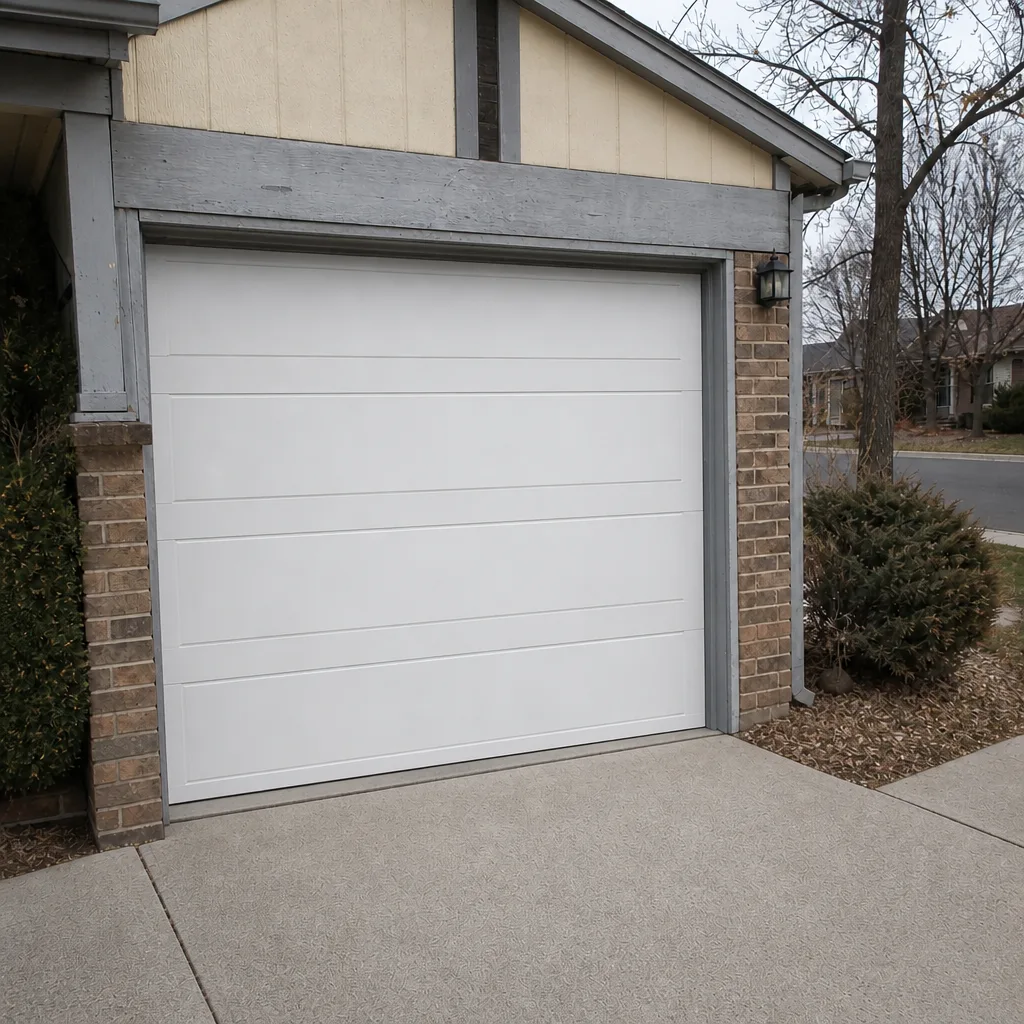
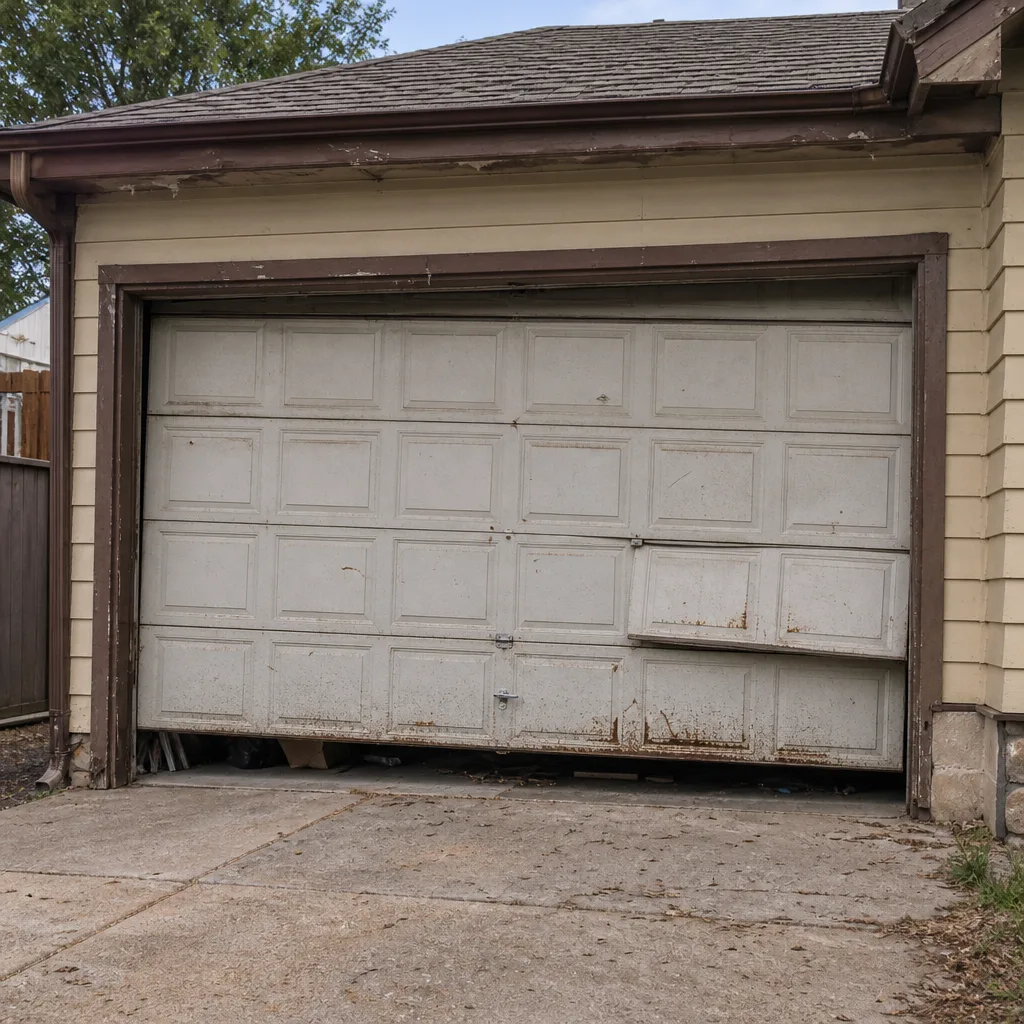
See the difference
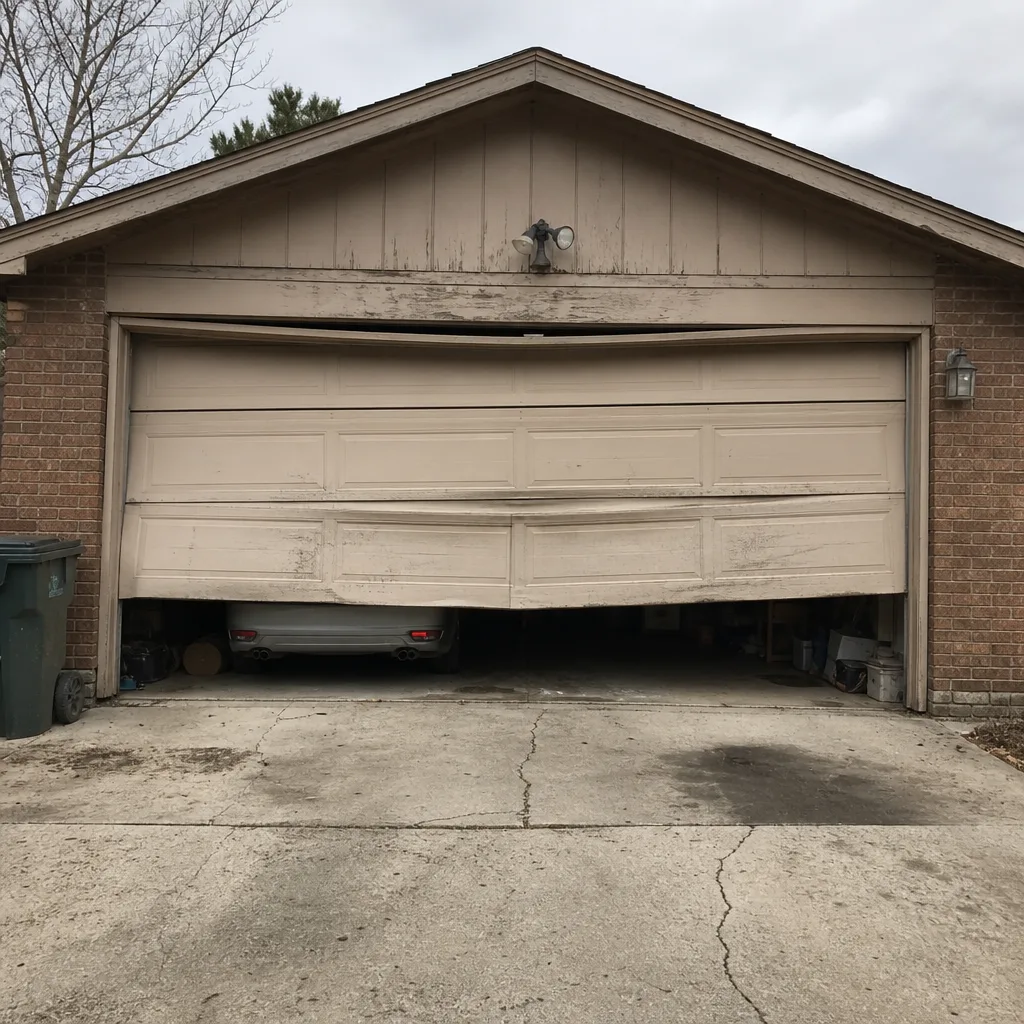 Before
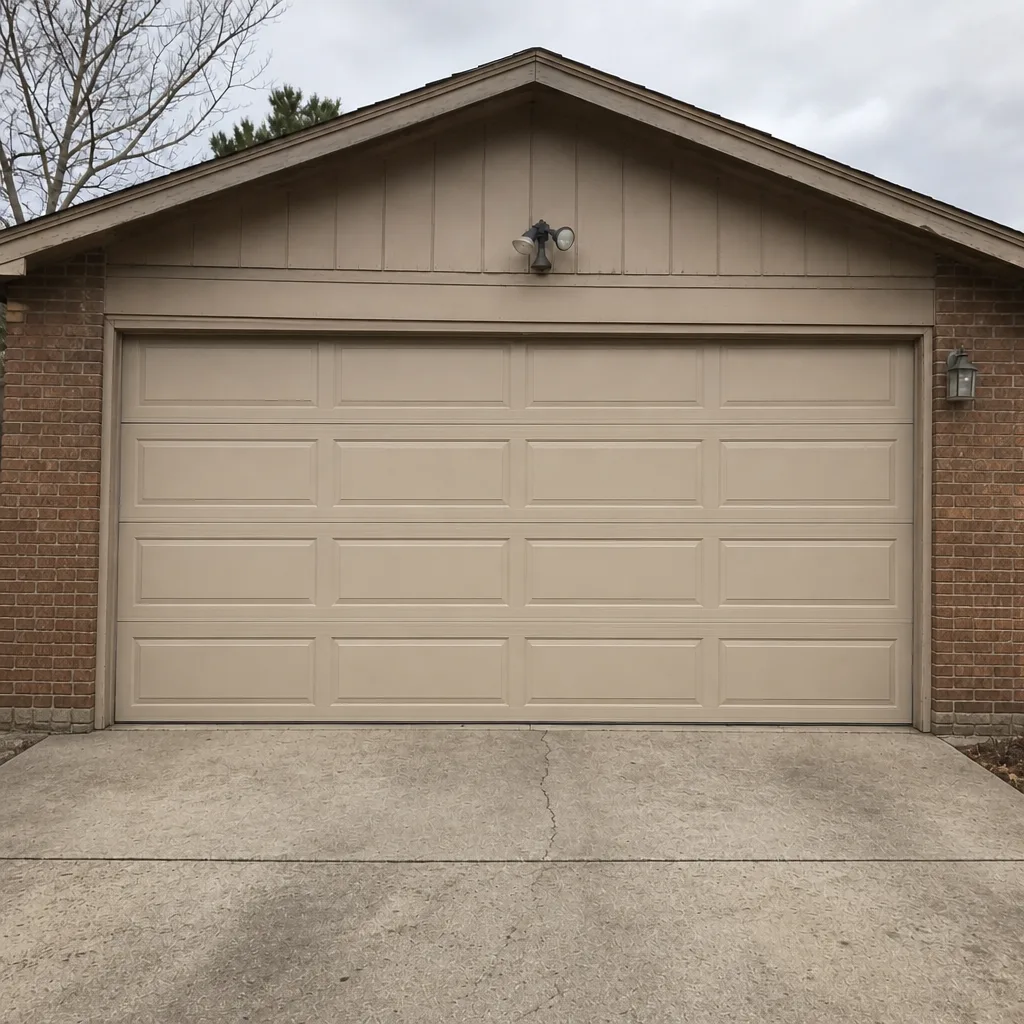 After
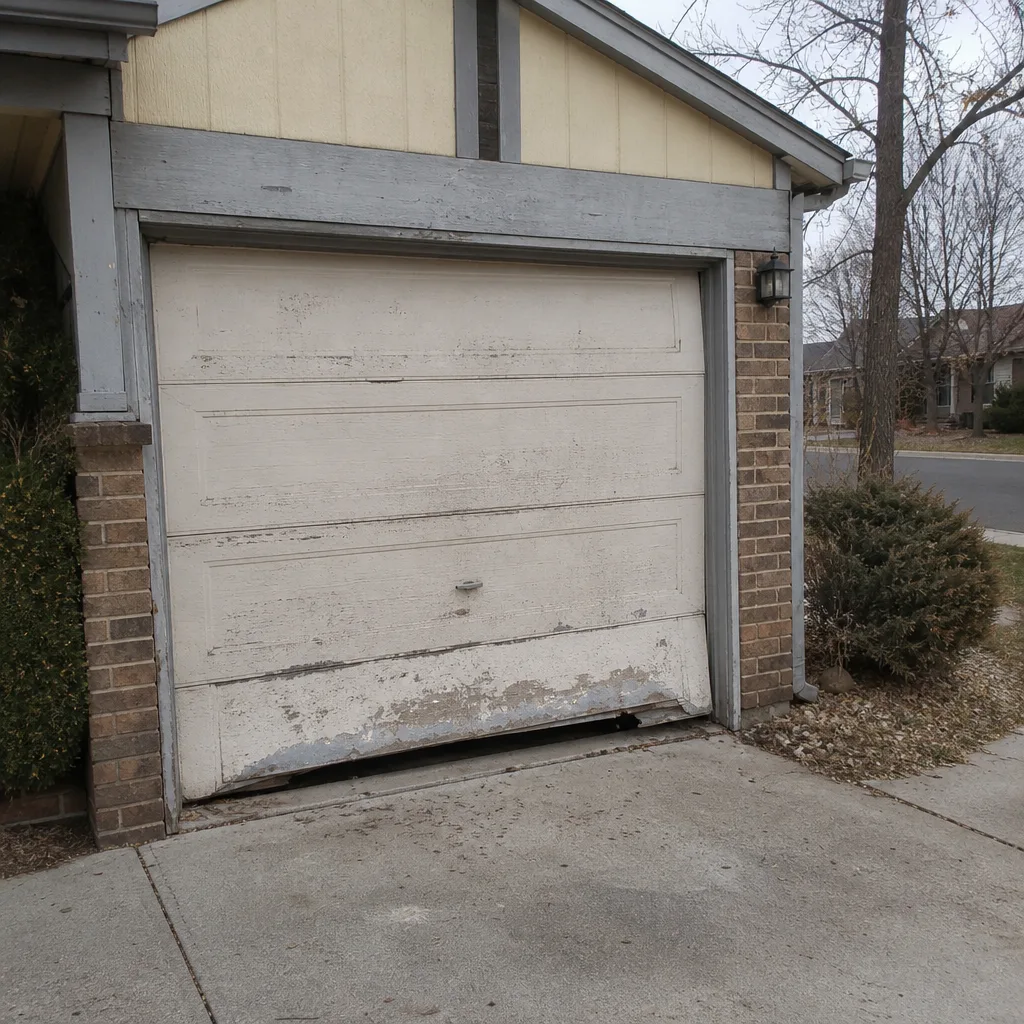 Before
 After
 Before
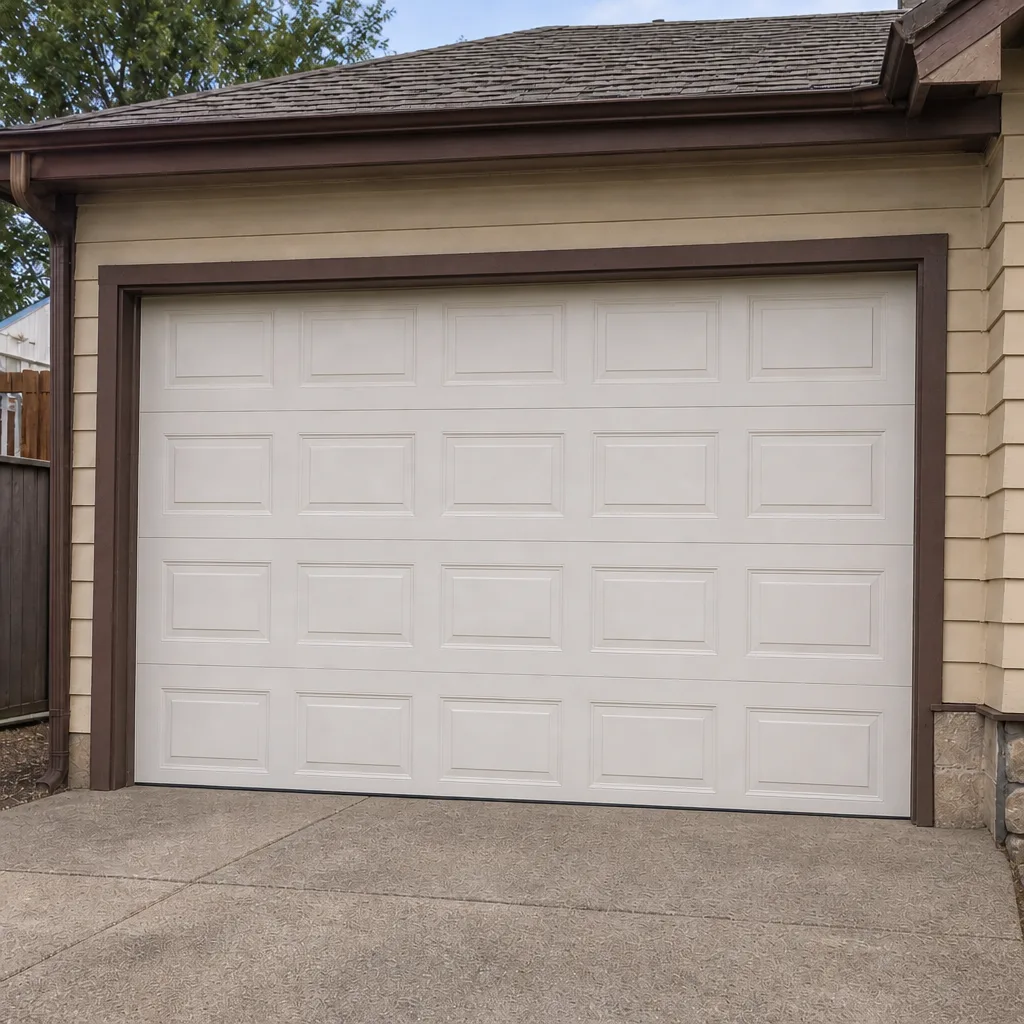 After
When to Call a Professional
Most of the routine work above is safe for a homeowner. Some of it isn’t, and some of it just needs the right tools and experience. Call a technician when the door won’t stay balanced at the halfway point, when a spring looks stretched or has a visible gap, when the door reverses without being touched, when the opener runs but the door doesn’t move, or when cables look frayed or slack. Springs and cables are where injuries happen, and no DIY guide makes that safe.
Garage Door Repair Lakewood Pros offers free estimates in Lakewood. Our technicians have up to 14 years of experience, and every job is quoted and agreed before any work starts, so the price you hear is the price on the invoice. Call (833) 968-4997 and we’ll get you scheduled.
Frequently Asked Questions
Twice a year for full lubrication and hardware inspection, plus a monthly safety test. The October and April tune-ups are the most important because they sit either side of the worst freeze-thaw month. Between those, a quick monthly photo-eye and reversal test catches problems early. Homes near busy plowed routes like West Colfax need monthly salt cleanup on the lower hardware as well. Call (833) 968-4997 if you want a professional tune-up – estimates are free.
Cold-formulated lithium grease on hinges, rollers, and bearing plates, and a dedicated garage door lubricant on springs and tracks. Standard white lithium stiffens in sub-zero cold and silicone spray dries out too fast under Front Range UV. Avoid WD-40 as a long-term lubricant; it evaporates and leaves joints dry. Whatever you use, a thin film is better than a thick coat. If you’re not sure what your door needs, call (833) 968-4997 for an exact recommendation.
No. Torsion and extension springs are under extreme tension, and adjusting them without the right tools and training can cause serious injury or death. Lubricating and inspecting the outside of a spring is safe. Winding, unwinding, or replacing one is not. If your door feels heavy, won’t stay balanced, or a spring looks stretched, that’s a job for a trained technician. Call (833) 968-4997 and we’ll handle it safely – estimates are free.
Because the rubber has hardened and is absorbing moisture, or because the door isn’t closing flush against the floor. In Lakewood, UV hardens seals faster than in lower-altitude climates, and freeze-thaw cycles make a hardened seal grab the concrete. A light coat of silicone on the seal’s contact edge helps. If the seal is cracked or the door doesn’t sit flush, replacement is the fix. Call us for a free estimate and we’ll check the door’s balance while we’re there.
Run the stiff-object test instead of the cardboard test. Place a piece of wood the thickness of a 2×4 flat on the floor under the middle of the door and close it. The door must reverse on contact. Then repeat with a heavier object at the midpoint. If it hesitates, the closing force is too high. If the setting needs adjusting, call a technician – a poorly calibrated opener is a safety hazard. Call (833) 968-4997 for a check – estimates are free.
Yes, somewhat. Chain-drive units need periodic chain lubrication; belt-drive units need very little. LiftMaster and Chamberlain units with myQ can reset force limits after a firmware update, so recalibration is part of maintenance. Genie models vary by generation. The routine is the same, but details differ. Knowing which brand and model you own makes it easier to order the right parts. Call (833) 968-4997 if you want us to identify what you have and service it.
The Bottom Line
Garage door maintenance in Lakewood comes down to matching the routine to the climate rather than copying a generic checklist. The key moves: October prep before the freeze, April hardware inspection, monthly safety tests, and a twice-yearly lubrication pass with a cold-rated product instead of white lithium or WD-40. Don’t skip the salt cleanup along the bottom three feet of the door, and don’t ignore the seal check from inside the garage. Springs, cables, and force calibration belong in a technician’s hands; everything else is a fifteen-minute job. Do those, and your door stays quiet through winter.
When you want a professional set of eyes on your door, or you’d rather not climb a ladder, call (833) 968-4997 for a free estimate. Our technicians have up to 14 years of experience across all major door and opener brands, from LiftMaster and Chamberlain openers to Clopay, Amarr, Wayne Dalton, Raynor, and Genie systems. We’ll tell you what needs work now and what can wait, and quote the price before any work begins.
Written by the team at Garage Door Repair Lakewood Pros.