Last updated November 21, 2026
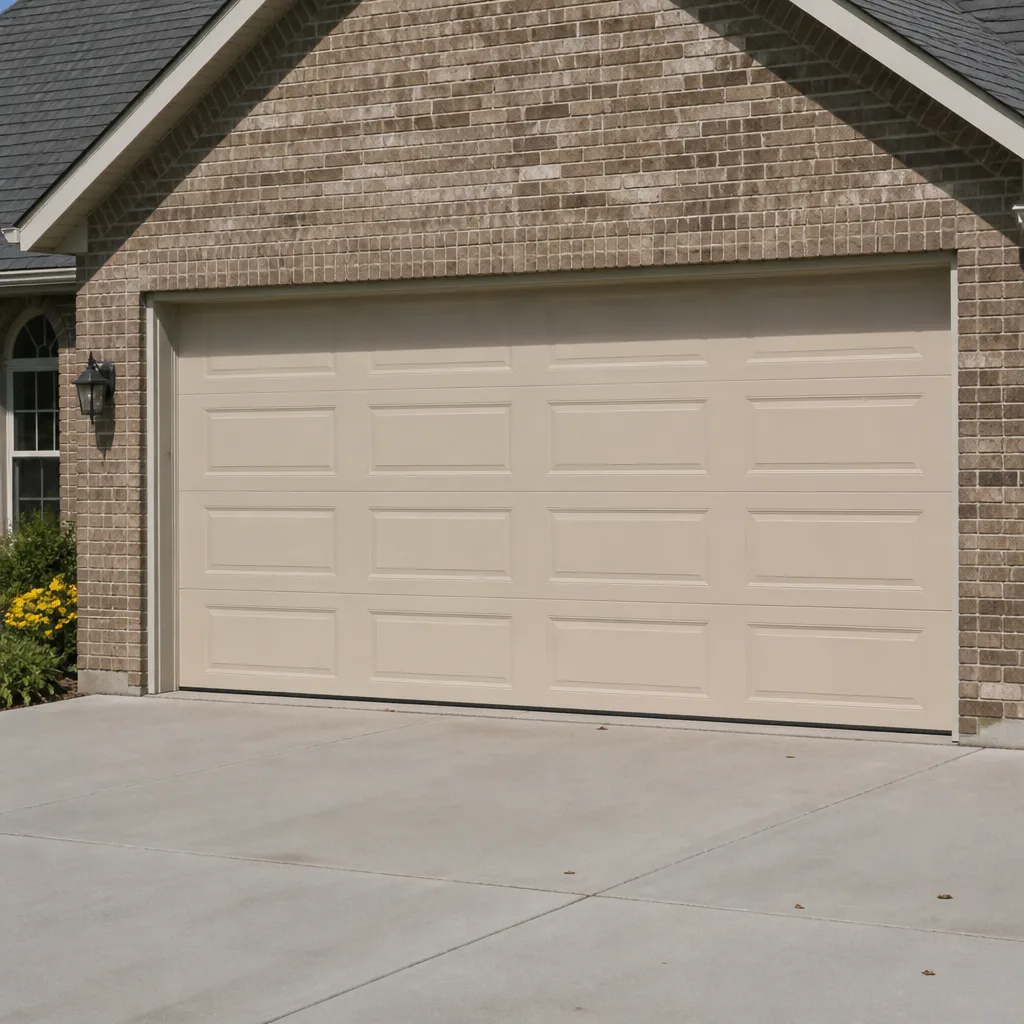 Raised-panel steel
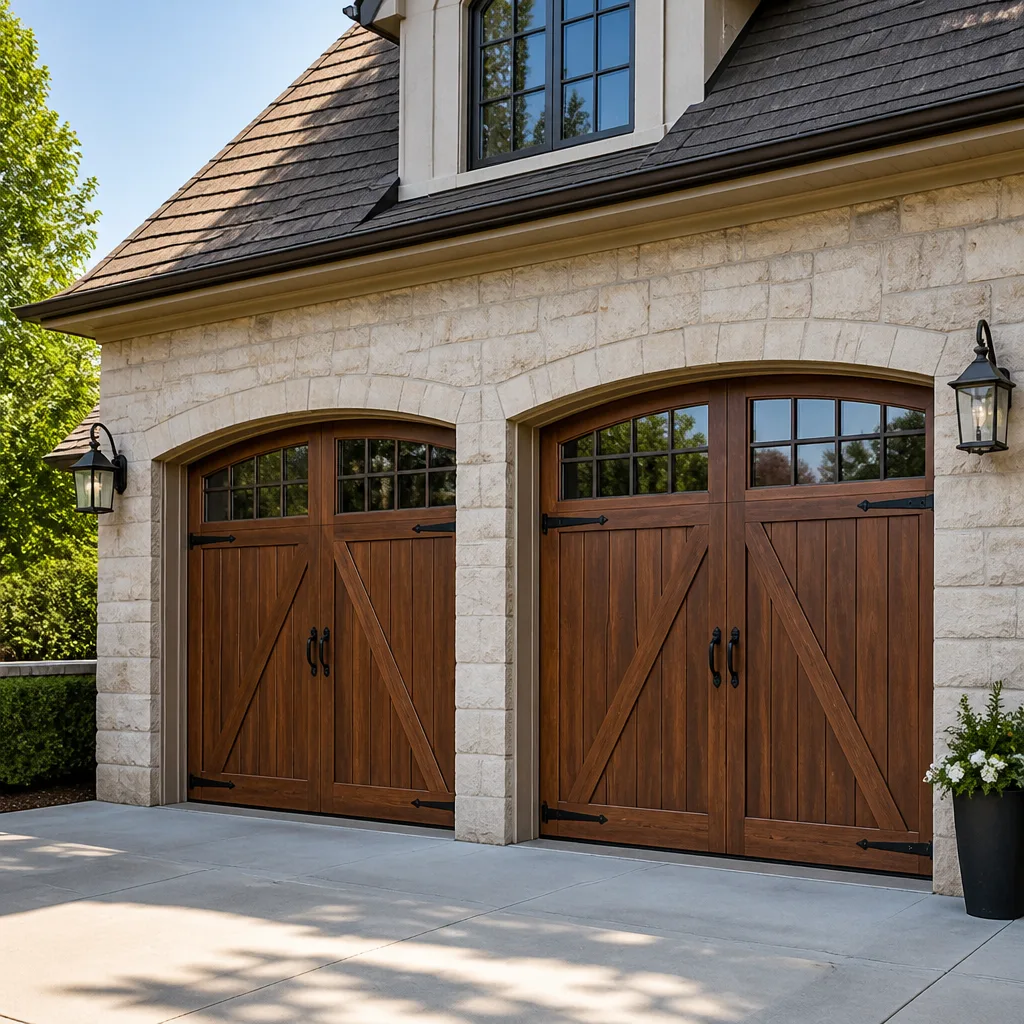 Carriage house
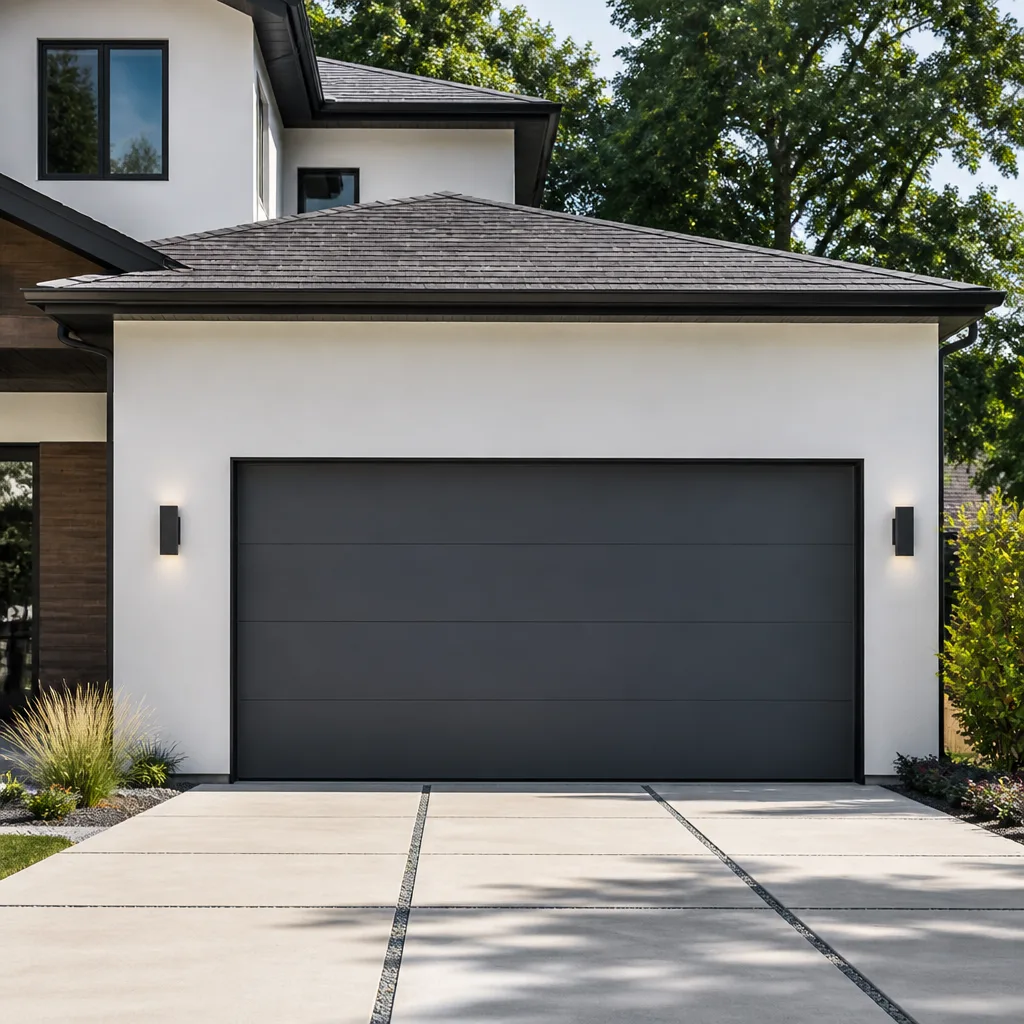 Modern flush
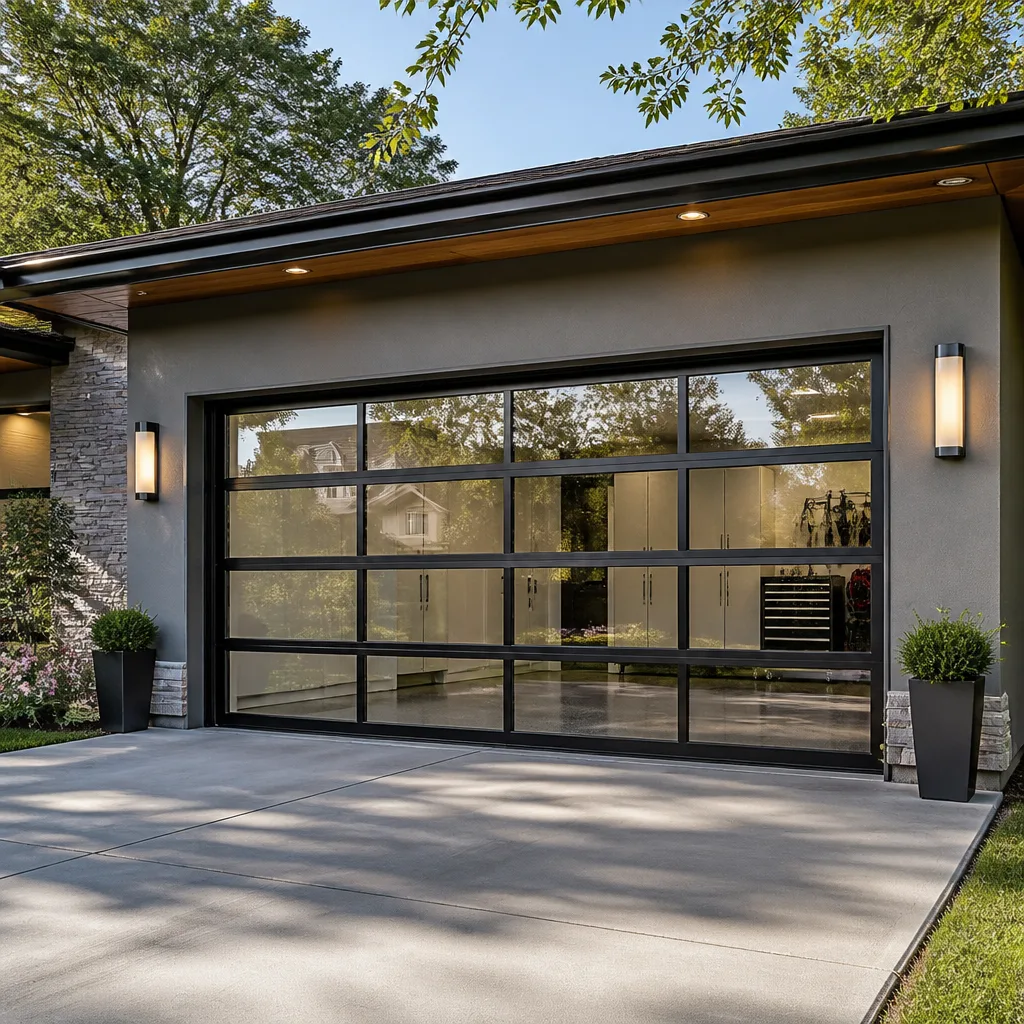 Full-view glass
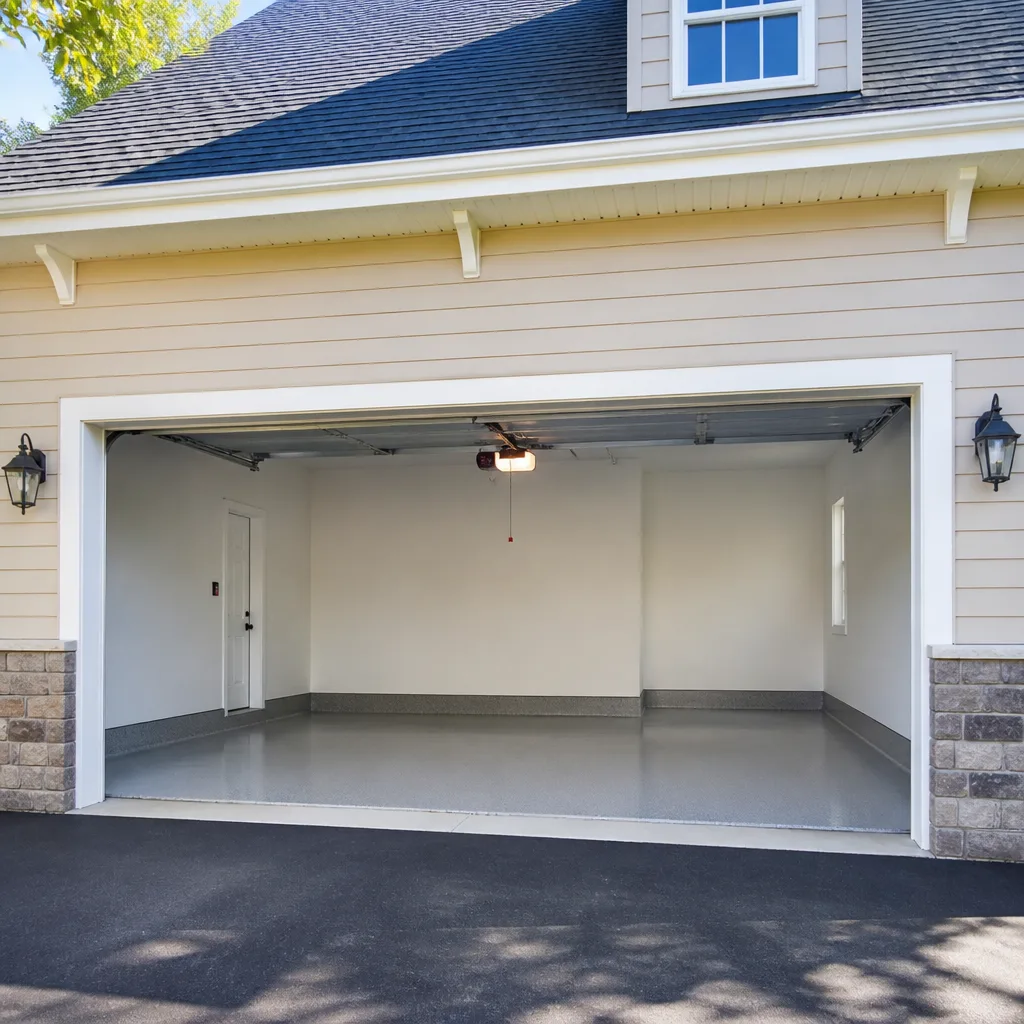 LiftMaster openers
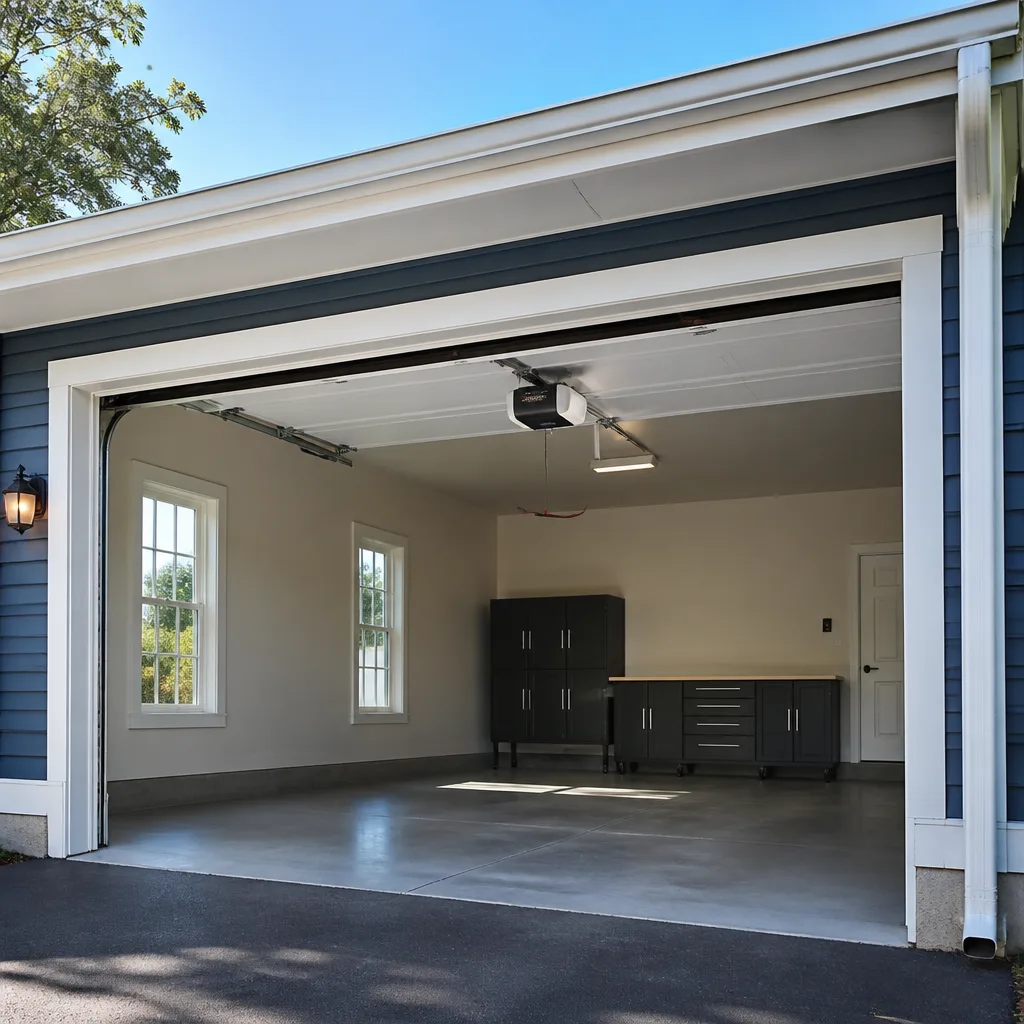 Chamberlain openers
Full 25-point door and opener safety check with every visit - springs, cables, rollers, tracks, and your LiftMaster or Chamberlain opener included
You get a price before we start. It does not change when the pro arrives.
Get your free estimateChoosing the Right Garage Door Brand: A Buyer’s Guide for Lakewood
The most common regret after a garage door replacement isn’t the brand on the label. It’s finding out, months later, that the neighborhood hasn’t got a single technician who stocks that brand’s replacement parts. A broken hinge or a failed roller turns into days of waiting for a component to ship across the country. In Lakewood, where spring snow, dry summer heat, and wide daily temperature swings push a door through more cycles of stress than a mild climate ever would, the brand you pick matters. But so does whether the parts are actually here when you need them. This guide breaks down what to weigh before you sign a door contract, from steel gauge to warranty fine print, so the choice you make holds up for years.
Quick Answer
The best garage door brand for Lakewood is usually the one with a durable product line backed by parts a local technician can source quickly, not the brand with the flashiest brochure. Clopay, Amarr, and Wayne Dalton make models that fit Colorado’s temperature swings, and their parts are widely stocked across the Denver metro. Your installer’s brand relationships often matter more than the label itself.
Styles & brands we work with
- Raised-panel steel
- Carriage house
- Modern flush
- Full-view glass
- LiftMaster openers
- Chamberlain openers
Table of Contents
- Why Brand Matters More in Lakewood Than You’d Think
- Which Brands Have Local Parts Distribution in the Denver Metro?
- How to Read Steel Gauge and Insulation R-Value Claims
- Brand Warranties Decoded
- Why Model Matters More Than Brand
- Questions to Ask a Lakewood Installer
- How Lakewood’s Climate Tests a Garage Door
- Matching Your Door to the Right Opener
- The Bottom Line
Why Brand Matters More in Lakewood Than You’d Think
Walk into any big-box store and you’ll find a handful of door brands on display, arranged to look like the whole market. Online comparisons usually follow the same pattern, written by retailers who stock a narrow selection and rank what they sell. Neither approach tells you what happens when a component fails three years from now. The brand you choose determines how fast a technician can get the part, and in a place like Lakewood, timing matters. A door stuck open when the temperature drops below freezing is a real problem, not a cosmetic one.
Garage doors live a hard life in Lakewood. A single day can swing from near freezing at dawn to the mid-50s by lunchtime in spring, and summer afternoons in the 90s are routine. That daily expansion and contraction works every hinge, roller, and panel seam. A brand with solid steel and a good finish holds up; a thin, cheap model shows fatigue fast. But even the best door needs periodic repair, and when it does, replacement parts are the deciding factor in how fast you’re back to normal.
What most buyers miss is the split between product quality and service reality. A door can be well built and still be a headache if its proprietary hardware only comes from one regional distributor. In our experience working Lakewood homes from the older neighborhoods near Belmar to newer builds out toward Green Mountain, the brands that hold up best are the ones with both solid engineering and a reliable local parts chain. That’s the lens we use when we talk to a homeowner about brand choice.
Which Brands Have Local Parts Distribution in the Denver Metro?
The major door brands with strong parts distribution across the Denver metro include Clopay, Amarr, and Wayne Dalton, along with CHI, a smaller name worth knowing. These brands supply through regional distributors that keep common parts on hand, so a Lakewood technician can often get them from a metro supplier rather than waiting on a special order. That distinction is the whole game when a roller, hinge, or bottom seal fails.
Here’s how the parts picture breaks down by brand category:
- Clopay – One of the largest residential door makers in the country, with a wide model range from entry steel doors to heavily insulated premium lines. Its parts network runs through regional distributors, so standard hardware is usually close.
- Amarr – Known for solid steel construction and a broad lineup of insulated and non-insulated models. Parts availability across the Denver metro is dependable for common components.
- Wayne Dalton – A brand with strong name recognition and a wide dealer network. Some model lines use proprietary hardware, so it pays to confirm that specific parts are locally stocked before you buy that line.
- CHI – A smaller brand that has built a solid regional following. Worth asking a local installer about, since distributor coverage can vary by area.
Where buyers get burned is the specialty imports and once-popular brands that have faded from the market. A door from a name that no longer supports its product line cleanly leaves you hunting for aftermarket substitutes. That doesn’t mean the door is bad. It means the repair takes longer when something fails. Because we work garage door repair across eight major brands, we’ve seen which part requests come back quickest and which turn into a wait. The rule is simple: ask about parts availability before you buy, not after something breaks.
How to Read Steel Gauge and Insulation R-Value Claims
Steel gauge and insulation R-value claims are sales tools, and they’re easy to misread. A thinner gauge number means thicker, stronger steel, so 24-gauge is heavier than 27-gauge. Insulation R-values measure resistance to heat flow, and the manufacturer’s figure is measured under controlled lab conditions, not against Lakewood’s actual temperature swings. Neither number tells the whole story on its own.
What matters in Lakewood is how those numbers play out against real conditions. Our summers push into the 90s and our winters drop well below freezing, which means the door skin and frame move through a big temperature range over the course of a year. A heavier steel gauge resists denting and holds its shape better through that cycling. Thicker insulation helps moderate the temperature inside an attached garage, which matters if you use the space for storage, a workshop, or anything temperature-sensitive.
A practical way to evaluate the claims:
- Check the gauge, not the marketing word. “Heavy-duty” is meaningless; a gauge number is concrete. Heavier steel generally means better dent resistance.
- Treat R-value as a comparison, not a guarantee. Use it to compare models in the same line, and don’t expect lab numbers to hold in an unconditioned garage.
- Match insulation to your use. An insulated door makes more sense for an attached garage you use daily than for a detached, unconditioned shed.
- Ask about finishes and weather seals. In a climate with snow and freeze-thaw cycles, a good bottom seal and finish matter as much as the steel itself.
When you’re comparing a door quote, ask the installer to explain why the steel gauge and insulation level suit a Lakewood home specifically. A specialist who understands the local climate will explain the trade-offs without reciting a spec sheet.
Brand Warranties Decoded: What “Lifetime” Really Covers
“Lifetime warranty” on a garage door rarely means the whole door is covered for life. In practice, these warranties are layered: sections have their own coverage periods, hardware and moving parts have shorter terms, and the labor to install a replacement part is almost never included. That last point is where the sticker price and the real cost part ways. A warranty that ships you a free part still leaves you paying a technician to install it, and on a worn door that install can cost more than the part itself.
Here’s what a “lifetime” label typically covers versus what it usually doesn’t:
- Covered, often for the life of the door: the door sections themselves, against defects like rust-through or delamination, with conditions. Pro-rated terms and original-purchaser requirements are common.
- Covered for shorter set periods: hardware, rollers, hinges, and springs, which usually have their own shorter warranty terms separate from the door sections.
- Frequently not covered: labor to diagnose or install, damage from impact, and wear that the manufacturer considers normal use.
- Requires documentation: many warranties need proof of purchase and correct installation, so keep the paperwork and confirm your installer is a recognized dealer.
Before you buy, read the fine print on the specific line you’re considering, not the brand in general. Ask the installer to spell out which parts carry which coverage and who pays for labor. That’s the question that separates a useful warranty from a piece of paper.
Why Model Matters More Than Brand
Within a single brand, the difference between an entry-level model and a mid-tier model usually matters more than the difference between two brands. Most major brands offer a good, better, best ladder, and the jump from the bargain tier to the middle tier buys you noticeably better steel, better hardware, and a better finish. The top tier is often priced for buyers who want a specific look or the longest warranty, without a big gain in daily durability.
For most Lakewood homes, the middle of a brand’s lineup is the sweet spot. That’s where a door gets durable steel, decent insulation, and solid hardware without paying for features you won’t notice. A bargain-tier door from a respected brand will usually outlast a premium-tier door that’s been underspecified for the climate. The mistake is choosing the brand and then letting price pull you to the bottom of its range.
How to find the right tier:
- Identify your actual priorities. Insulation, dent resistance, or a specific appearance, not all three at once.
- Compare the same tier across brands. A mid-tier Clopay against a mid-tier Amarr tells you more than the two entry models.
- Look at the hardware, not just the panels. Track, hinges, and rollers fail first; heavier hardware means fewer repairs later.
- Ask a specialist which models hold up in the local climate. Real-world durability often parts ways with the spec sheet.
A door is a long-term purchase, so spending a little more on the model tier usually saves on repairs down the road. If you’re weighing garage door installation, a free measure and a written quote will show you exactly where each tier lands for your opening.
Questions to Ask a Lakewood Installer About Brand Relationships
Ask any installer whether they’re a certified dealer for the brands they sell, what that certification means for your warranty, and whether they make more money steering you to one brand over another. Those three questions reveal whether their brand recommendation is based on what serves you or what serves their inventory. A straight answer is a good sign. A vague one tells you plenty.
Here’s a practical list to work through before you sign:
- Are you a certified dealer for this brand? Manufacturer certification often helps when a warranty claim comes up, and it signals the installer knows the product line.
- What does that certification mean for my warranty? Some brands require professional installation by an authorized installer to honor coverage. Confirm it.
- Do you carry multiple brands? An installer who works across several brands has less reason to push one and can recommend what actually fits your door opening and budget.
- Which parts do you stock, and which do you order? The answer tells you how fast a future repair will go. Locally stocked parts mean less waiting.
- Will you put the brand and model in writing? A written quote should name the exact model, not just the brand, so there are no surprises on install day.
Because we work across eight major brands, we can talk through trade-offs without a favorite to protect. That’s the advantage of a specialist whose only job is garage doors: no sales incentive to steer you toward whichever line pays best.
How Lakewood’s Climate Tests a Garage Door
Lakewood sits at the foot of the Front Range, and that position brings a climate that works a garage door harder than mild coastal weather ever would. Spring snow can fall overnight and clear by afternoon. Summer days push past 90. The freeze-thaw cycle runs deep into the season, and the daily swing from a cold dawn to a warm afternoon keeps the door and its frame constantly expanding and contracting. This is a real consideration when you pick a brand.
That cycling concentrates stress in a few places. Springs wear faster with more cycles. Rollers and hinges take a daily beating. The bottom seal has to survive snow, ice, and sun. A brand whose hardware is built for moderate climates will show the wear sooner. And when it does, the parts question comes right back: can a Lakewood technician get the replacement quickly, or is it a special order?
Brands made for cold and variable climates generally hold up better here. Look for heavier steel, quality weather seals, and hardware rated for temperature swings. A door that thrives in a mild climate may not be the one you want sitting in a Lakewood driveway through a dozen hard winters. When you’re comparing brands, ask how each one handles freeze-thaw cycling and snow. That answer separates the marketing from the engineering.
Matching Your Door to the Right Opener
The door brand and the opener brand are separate choices, and they should be made together. A heavy insulated door needs an opener with enough lifting capacity, and a smart-home setup needs an opener that talks to your phone. Matching the two from the start avoids a mismatch that shows up as a struggling motor or a door that won’t open smoothly.
On the opener side, the brand landscape is a bit more familiar to homeowners. Raynor builds doors and openers with a strong reputation for durability. LiftMaster and Chamberlain are the big names for smart-home-ready openers, and Genie is a reliable choice for many residential doors. When your opener is a classic model or a wi-fi-enabled unit, the brand should inform what your technician carries for parts. Because we service garage door opener repair across the leading platforms, we can match a new opener to your door and your smart-home setup.
The pairing question also touches your door brand choice. Some door and opener brands are engineered to work together, and a specialist will know which combinations run smoothest. If you’re adding a smart opener to an older door, make sure the door is balanced and the hardware is sound first. A strong motor on a worn door just wears the door out faster.
See the difference
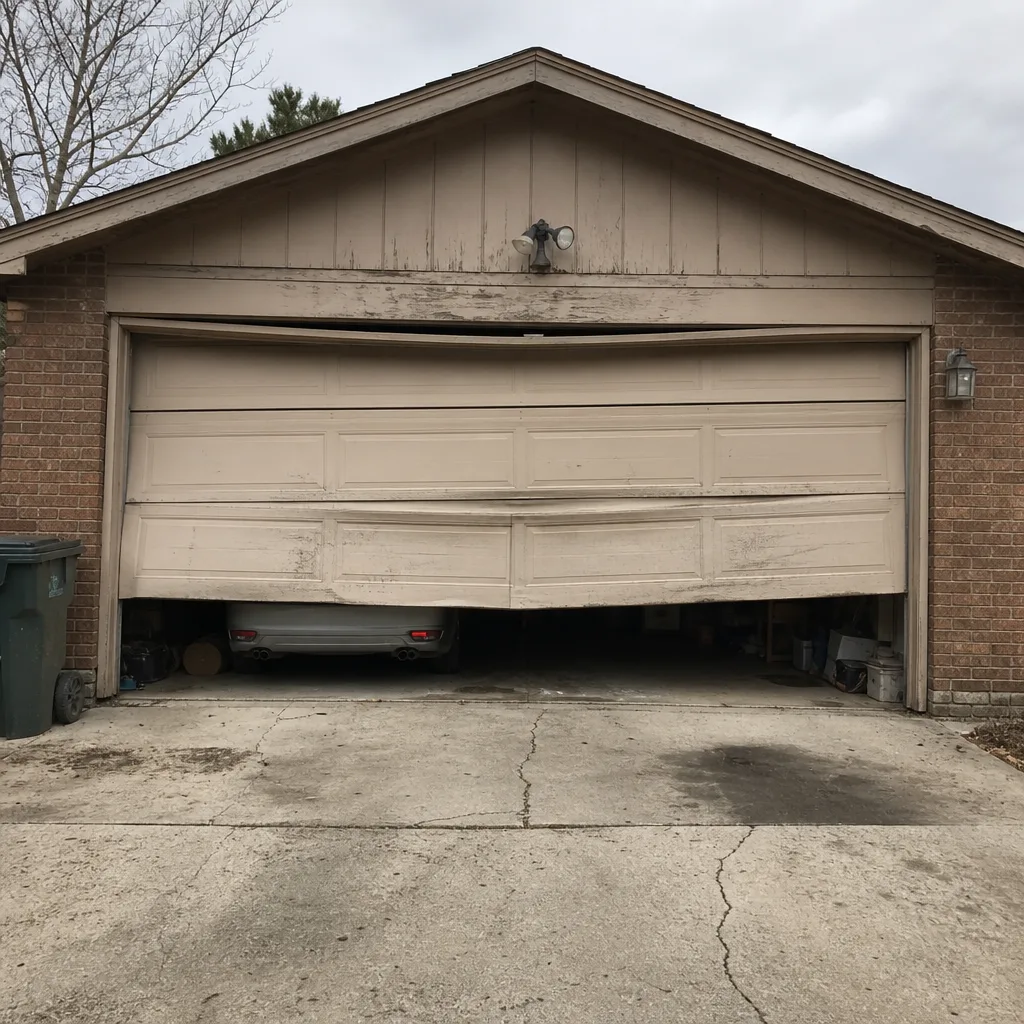 Before
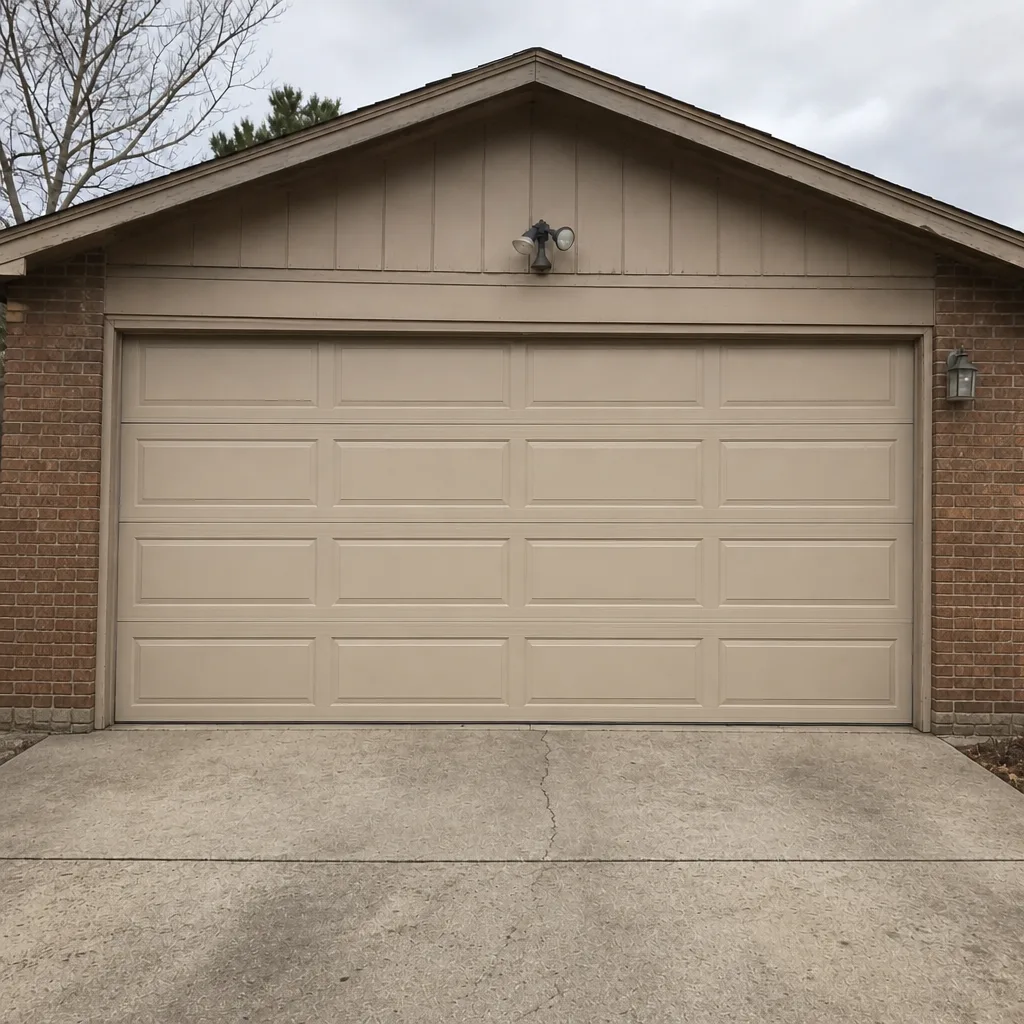 After
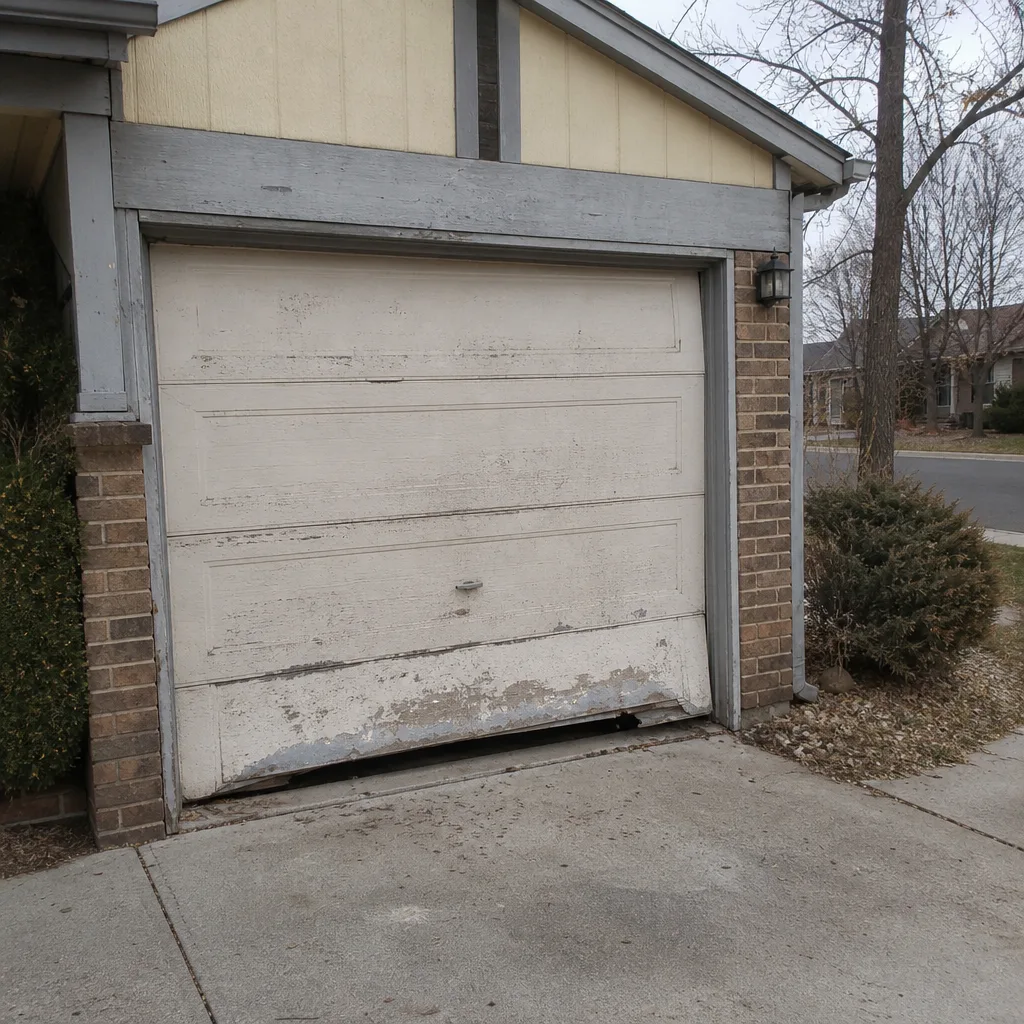 Before
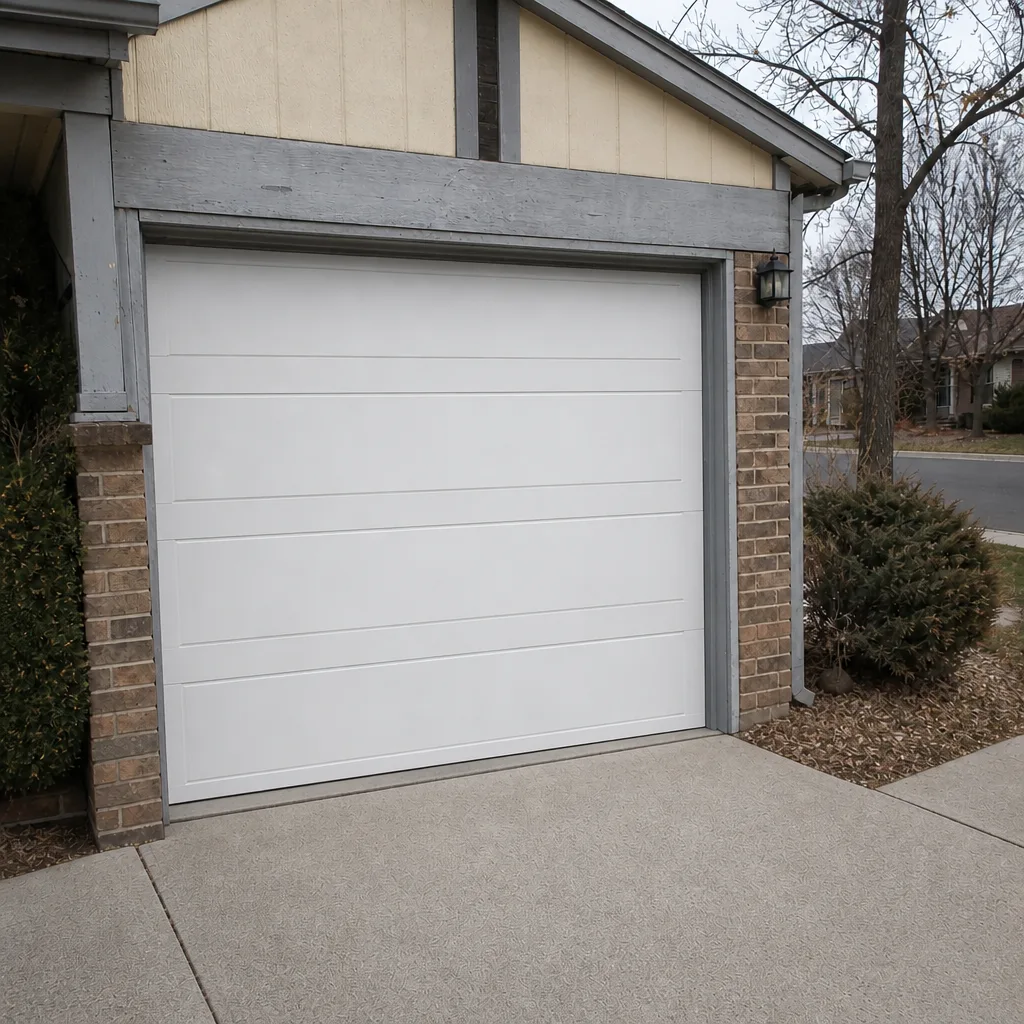 After
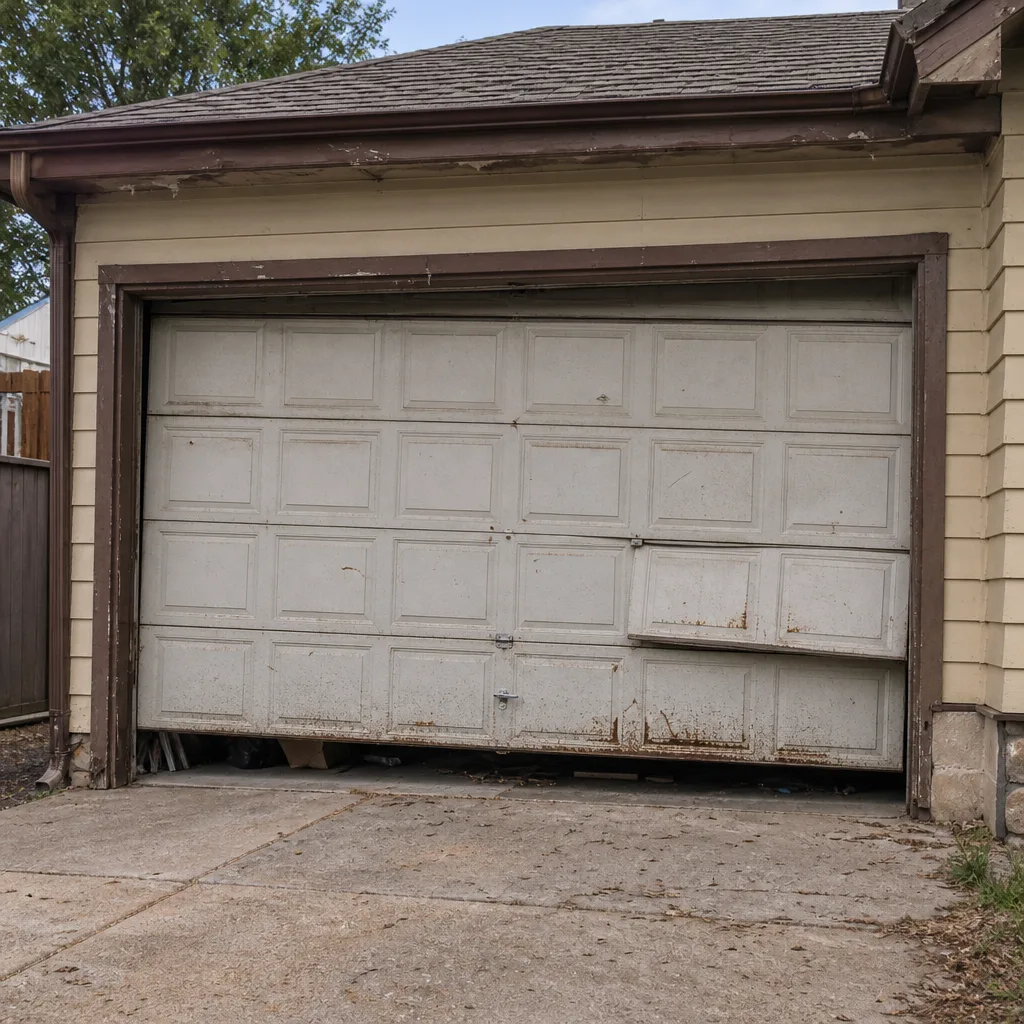 Before
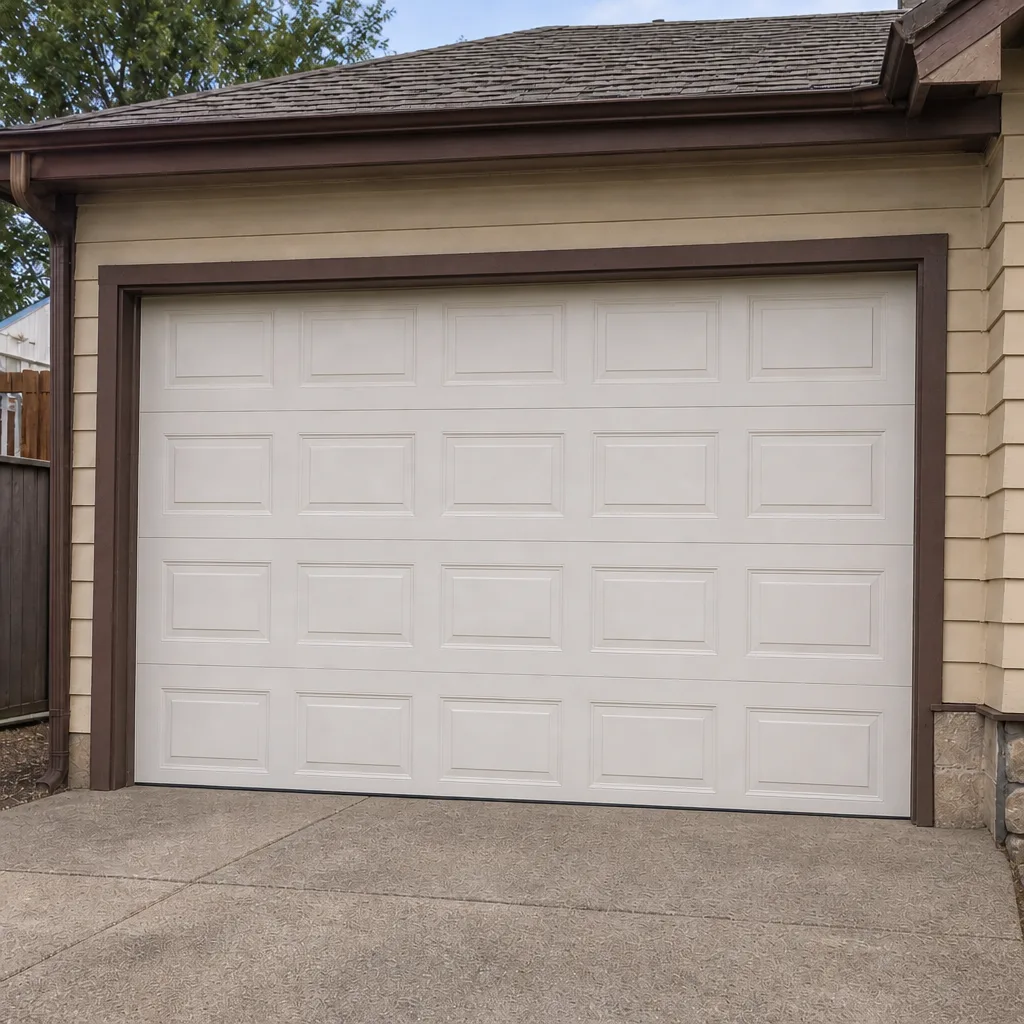 After
Common Mistakes to Avoid
- Choosing on brand name alone. The brand on the label matters less than the part availability and model tier behind it. Confirm both before you buy.
- Letting the brand pick the bottom tier for you. Picking a good brand and then buying its cheapest model is a common way to get a door that shows its age quickly. Aim for the middle of the line.
- Reading “lifetime warranty” as all-inclusive. It usually covers door sections with conditions and leaves labor and hardware on you. Ask which parts have which coverage.
- Ignoring the parts chain. A brand that’s well advertised but hard to source parts for turns a one-hour repair into a days-long wait. Ask which common parts are stocked locally.
- Buying a door from an installer who only sells one brand. A single-brand seller has little reason to steer you anywhere else, even if another brand fits your opening and budget better.
- Skipping the opener match. A door that’s heavier than the opener can lift will struggle. Match the two before install day.
- Forgetting the local climate. A door built for mild weather will age faster in Lakewood’s freeze-thaw cycle. Weigh the climate in your choice.
When to Call a Professional
Some garage door work is a job for a trained technician, full stop. Springs are under serious tension, and adjusting or replacing them without the right tools and training is genuinely dangerous. If you hear a loud snap from the torsion bar, see a gap in a stretched spring, or find the door won’t stay up on its own, stop and call. A door that’s come off its track, a cable that’s frayed, and any opener that trips a breaker are also jobs for a professional, not a weekend project. If the door is binding, noisy, or slow, a technician can diagnose the cause before it becomes a bigger repair.
Garage Door Repair Lakewood Pros offers free estimates in Lakewood – call (833) 968-4997. We work on the brand you already own, from a classic LiftMaster opener to a newer Chamberlain unit, and we can tell you whether a repair or a replacement makes more sense for your door.
Frequently Asked Questions
Clopay, Amarr, and Wayne Dalton are the brands most Lakewood homeowners should look at first, because each has solid product lines and parts that are widely available across the Denver metro. The right brand for you depends on the model tier, your door opening, and your budget, more than the name on the label. A free measure and a written quote from a local specialist will show you exactly where each fits. Call (833) 968-4997 for an estimate.
Clopay, Amarr, and Wayne Dalton, along with CHI, have parts distribution through regional suppliers that keep common components on hand. That means a Lakewood technician can often get rollers, hinges, and seals without a long special order. Ask your installer which specific parts they stock and which they order before you commit. Call (833) 968-4997 to talk through parts for your door.
No. “Lifetime warranty” usually covers door sections against defects with conditions, while hardware, springs, and labor have shorter terms or aren’t covered at all. The warranty can ship you a free part and still leave you paying for installation. Read the fine print on the specific model, not the brand in general. Call (833) 968-4997 for a free estimate and a plain-English rundown of coverage.
The model line usually matters more. A mid-tier model from a good brand generally outlasts an entry model from a premium brand, because the mid-tier gets better steel, hardware, and finish. Compare the same tier across brands rather than the labels. A local specialist can tell you which models hold up in Lakewood’s climate. Call (833) 968-4997 to compare options.
Look at steel gauge, insulation, hardware quality, and weather seals, then ask how the brand handles freeze-thaw cycling and snow. Lakewood’s big daily temperature swings stress a door more than mild climates do, so heavier steel and good seals matter. A brand built for variable climates will hold up better. Call (833) 968-4997 for advice geared to your home.
Yes, a garage door specialist who works across multiple brands can handle both, and that’s usually the better choice. A specialist can match a new opener, whether it’s a LiftMaster, Chamberlain, or Genie, to the door you already have, and can service the brand of each. A single-brand dealer or a general handyman often can’t. Call (833) 968-4997 to book a free estimate.
The Bottom Line
The right garage door brand for a Lakewood home isn’t the one with the biggest ad budget. It’s the one whose model tier gives you solid steel, decent insulation, and quality hardware, and whose parts are actually within reach when something fails. Compare the same tier across brands, read the warranty fine print, and ask your installer whether they’re a certified dealer and which parts they stock. Springs are under serious tension, so any repair involving them is a job for a trained technician. Get a free measure and a written price before you commit, and you’ll choose a door that holds up through hard winters.
Ready to compare brands for your door opening? Garage Door Repair Lakewood Pros works across eight major brands and offers free estimates in Lakewood. Call (833) 968-4997 to get started, and we’ll help you match the right door and opener to your home.
Written by the team at Garage Door Repair Lakewood Pros.