Last updated November 21, 2026
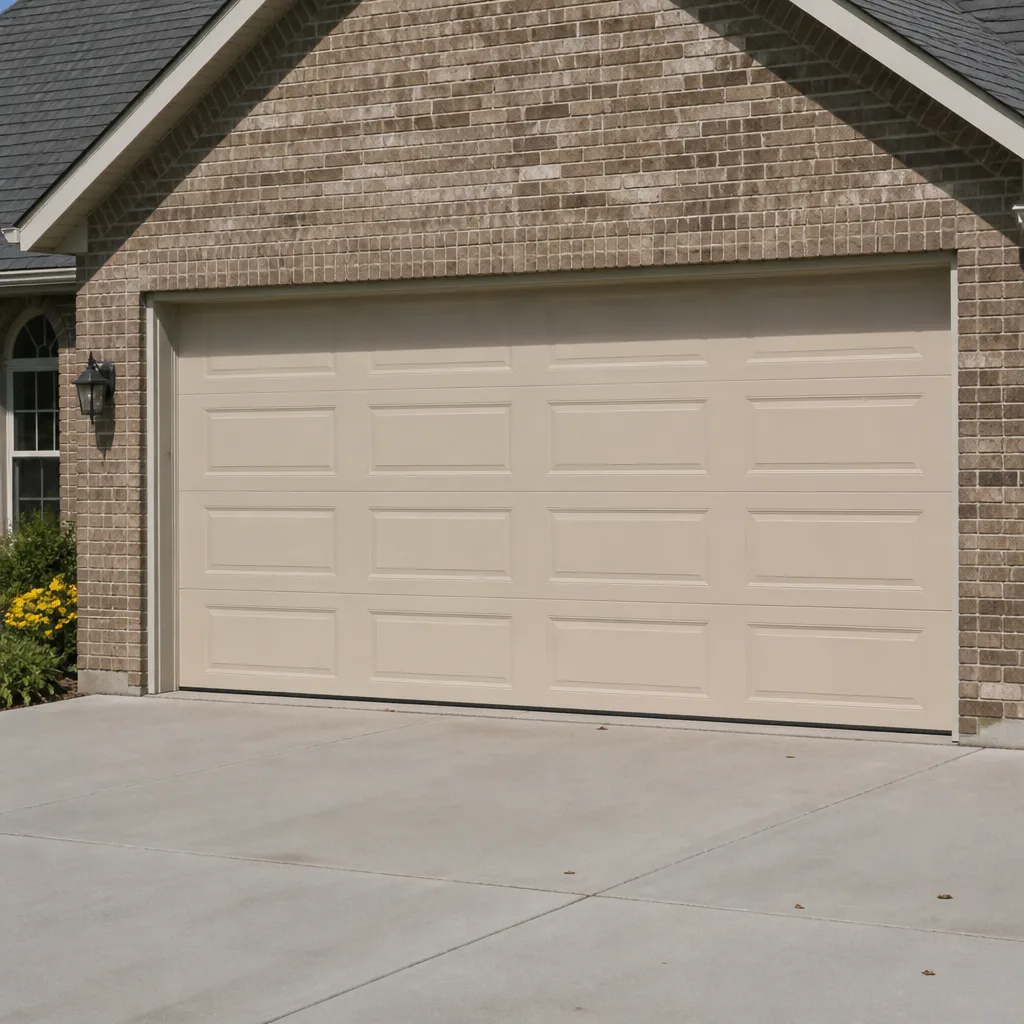 Raised-panel steel
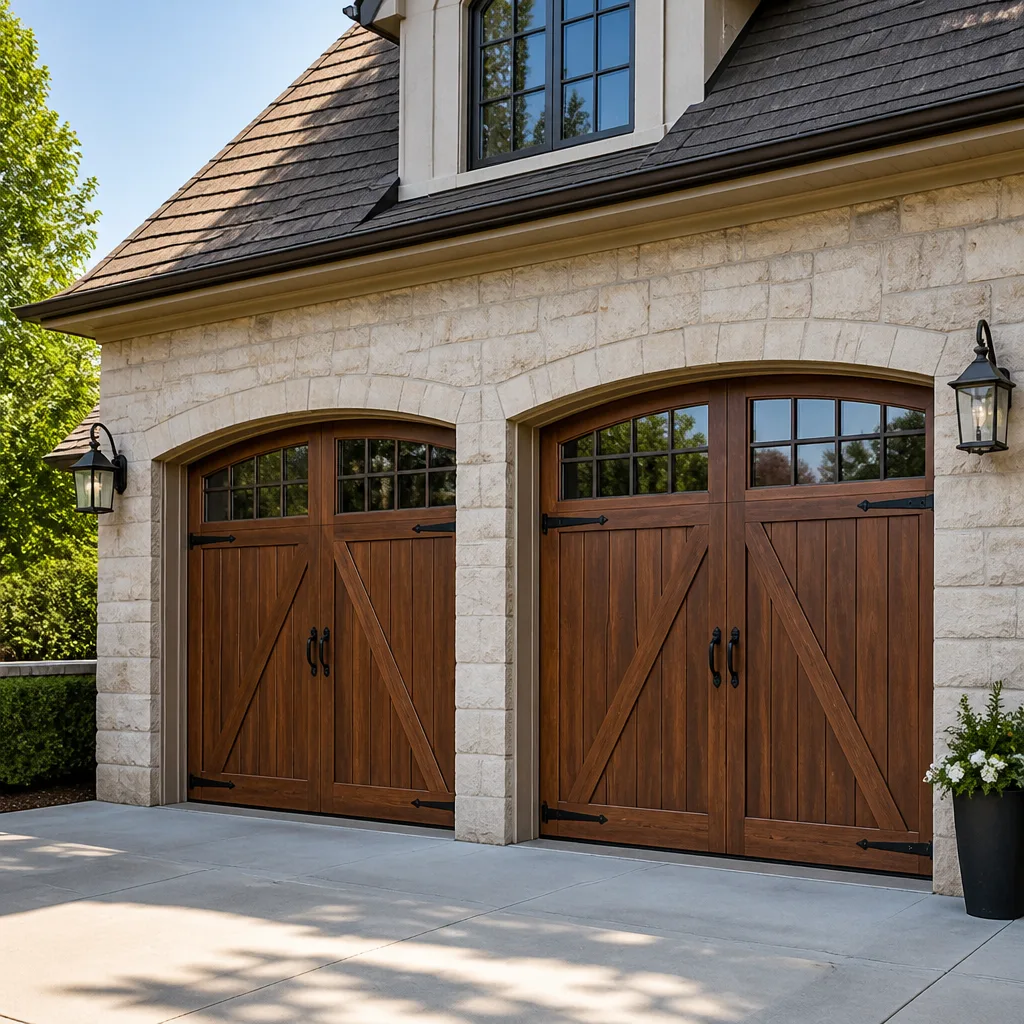 Carriage house
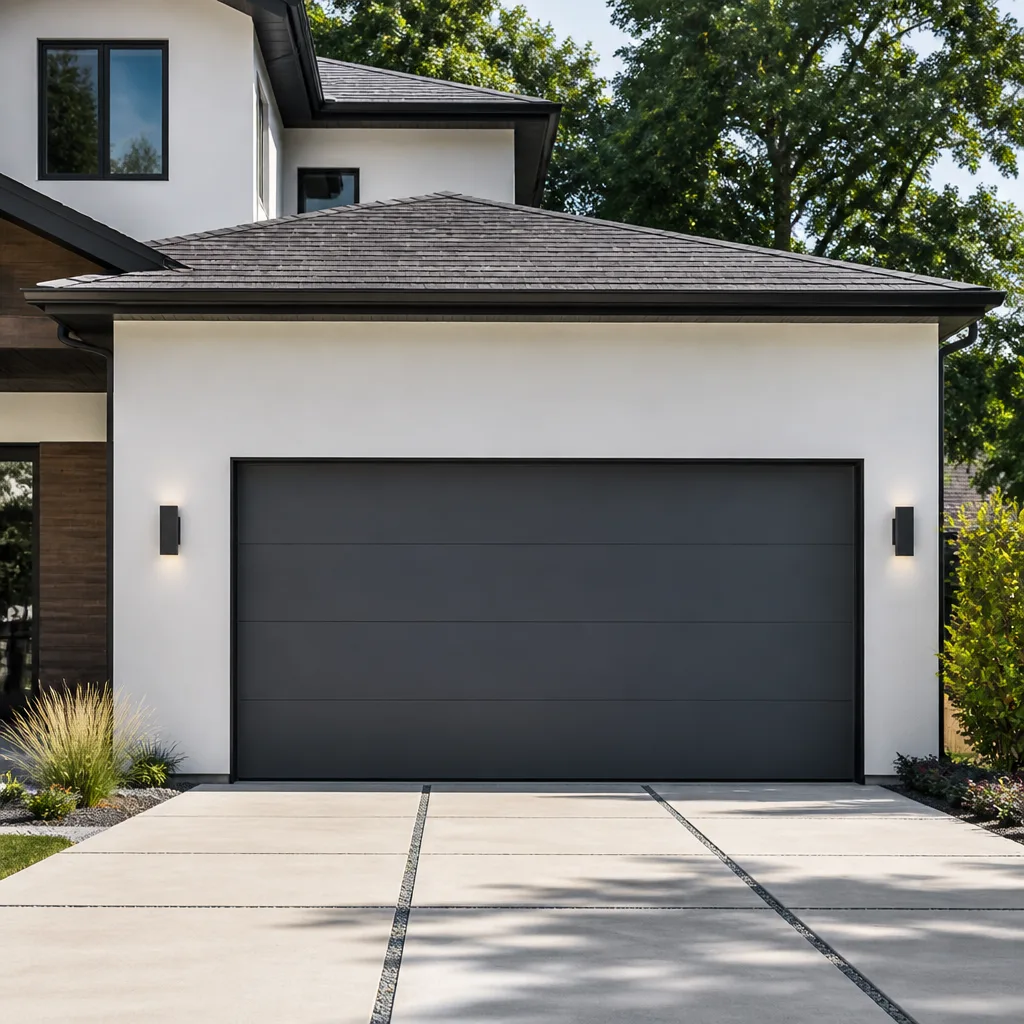 Modern flush
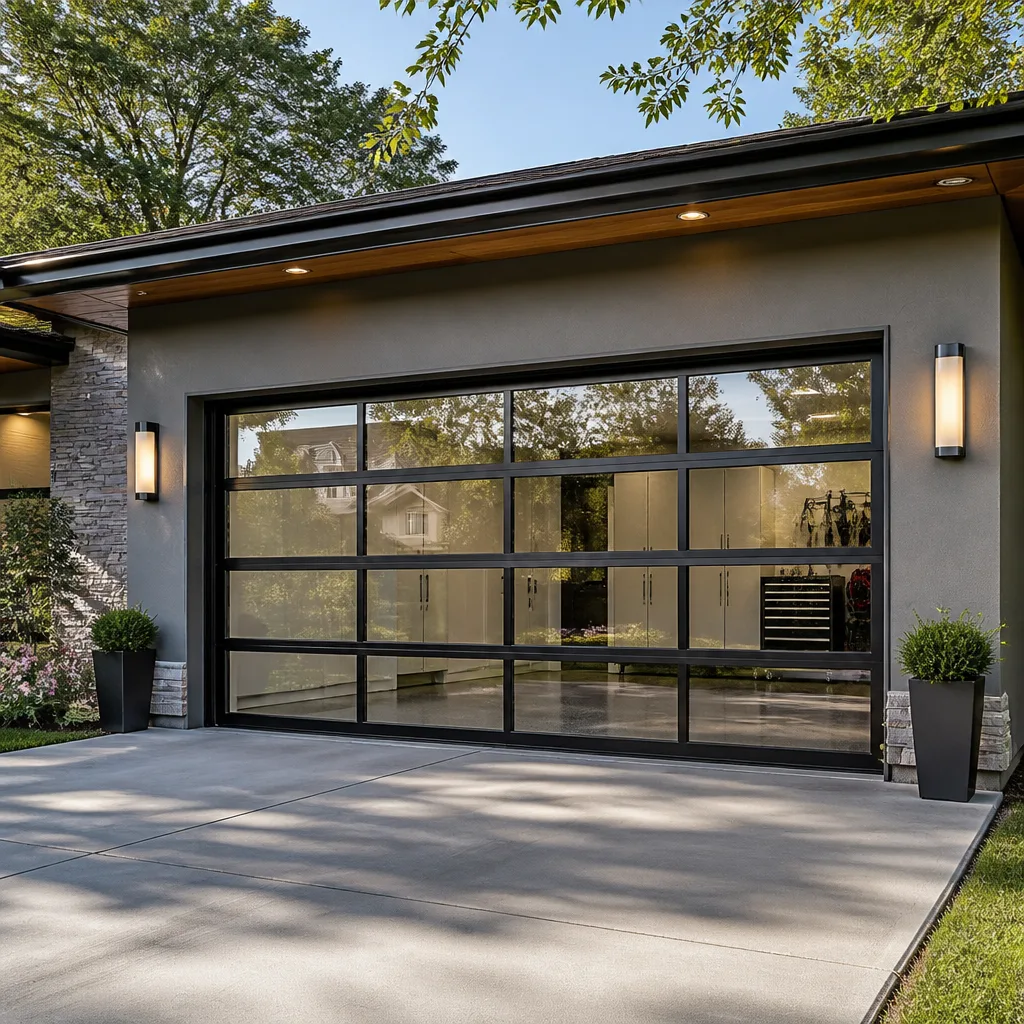 Full-view glass
 LiftMaster openers
 Chamberlain openers
Full 25-point door and opener safety check with every visit - springs, cables, rollers, tracks, and your LiftMaster or Chamberlain opener included
You get a price before we start. It does not change when the pro arrives.
Get your free estimateGarage Door Permits, Codes & Inspections in Lakewood, CO: What You Need to Know
Most Lakewood homeowners think of a garage door replacement as a simple product swap: pick a door, get it installed, done. The paperwork rarely crosses their mind. But here’s the part that surprises people at the worst possible time. When you sell a Lakewood home, a buyer’s inspector can flag an unpermitted garage door replacement, and clearing it can mean retrofitting to current code at your own expense before closing. Colorado’s permit landscape adds a layer of confusion because the City of Lakewood and Jefferson County don’t always draw the same lines about what needs a permit. This guide walks you through when a permit is required, what the building codes actually say about attached garages, how like-for-like replacement fits in, and what an inspector checks once the work is done. We’ll keep it plain and specific to Lakewood.
Quick Answer
In Lakewood, a straight like-for-like garage door replacement (same size, same opening, no structural changes) typically does not require a City of Lakewood building permit, but a project that changes the opening, alters the garage structure, or affects the fire separation between the garage and the house usually does. Because the City of Lakewood and Jefferson County have overlapping jurisdiction and rules that don’t always match, the only reliable answer comes from the City of Lakewood building department before work begins. Jumping straight to installation without confirming permit status is the single most common way homeowners end up with title problems at sale.
Styles & brands we work with
- Raised-panel steel
- Carriage house
- Modern flush
- Full-view glass
- LiftMaster openers
- Chamberlain openers
Table of Contents
- When does a garage door project need a permit in Lakewood?
- City of Lakewood vs. Jefferson County jurisdiction: which one applies?
- Fire-rating and separation requirements between an attached garage and living space
- What “like-for-like replacement” means in Lakewood permit language
- HOA architectural review vs. the municipal permit: two separate processes
- The inspection steps after a permitted garage door replacement
- How to choose a garage door contractor who handles the permit correctly
- Common mistakes to avoid
When does a garage door project need a permit in Lakewood?
The honest answer is that the line moves depending on what’s being done, not just what’s being installed. A garage door is a system: the door, the track, the springs, the opener, and the opening it hangs in. Some work touches only the product; other work touches the building. Permits track the building. Here’s the rough split as it usually applies in Lakewood.
Work that typically does not require a building permit:
- Like-for-like door replacement where the opening size, header, and framing stay exactly the same
- Opener replacement or repair on an existing rail and mount
- Spring, cable, roller, hinge, and panel replacement on an existing door
- Routine maintenance, lubrication, and safety-reverse adjustments
Work that usually does require a permit or at least a call to the building department:
- Widening or heightening the garage door opening, which means cutting into the header and framing
- Changing a door to a different operating type, such as converting a fixed panel to a roll-up or changing track configuration
- Structural repairs to the garage framing around the opening
- Any change that affects the fire separation between an attached garage and the living space above or beside it
- Additions or conversions that change how the garage is classified under the code
Lakewood’s housing stock includes a lot of mid-century ranch homes and newer build-out closer to Belmar and the Federal Center corridor. Older garage openings often have framing quirks that only show up when a technician removes the existing door, and those quirks are exactly the kind of detail that can flip a project from a no-permit swap into a permitted structural job. This is why we never quote a door replacement as a guaranteed no-permit job until the opening has been measured in person. If you’re planning a replacement and want a professional read on your specific opening, that conversation starts with garage door installation.
For everyday repairs like a broken spring or a door that’s jumped its track, permitting rarely comes into play. Those are the calls where we aim for same-day diagnosis and getting your door back in working order today. Find out what’s involved on our garage door repair page.
City of Lakewood vs. Jefferson County jurisdiction: which one applies?
This is the part that trips up almost everyone, and it’s worth understanding before you sign anything. Lakewood is a home-rule city inside Jefferson County. That means the City of Lakewood issues building permits for work inside city limits and runs its own inspections. Jefferson County issues permits for unincorporated areas of the county, which sit outside Lakewood city limits but very much inside the county’s general footprint. The boundaries are not always obvious to a homeowner. A lot of addresses that feel like “Lakewood” to the people living on them are actually in unincorporated Jefferson County, and vice versa.
The practical consequences matter:
- Built in Lakewood city limits: your permit, if any, comes from the City of Lakewood.
- Built in unincorporated Jefferson County: your permit comes from Jefferson County, even if your mailing address says Lakewood.
- Overlap and contradictions: the two jurisdictions don’t always apply the same thresholds to the same scope of work, and neither is obligated to mirror the other. What passes as no-permit work under one jurisdiction’s reading may not under the other’s.
- Sale problems: a buyer’s inspector typically checks permit history against the jurisdiction that has actual permit authority over the parcel. If you permitted your project in the wrong office, it can look unpermitted in the right one.
- Mixed impressions: HOAs and title companies also reference permit records, so a gap anywhere in the chain becomes visible during a sale.
Here’s how to sort it out without guesswork. Look at your property tax record or your title paperwork to see which jurisdiction records your parcel. Then call the City of Lakewood building department with your address and the exact scope of work you’re planning, and confirm in writing which office owns the permit. If the City of Lakewood tells you the parcel is in unincorporated Jefferson County, call the county. A five-minute conversation saves weeks of confusion.
In our experience, the projects that generate the most permit confusion are the ones where the homeowner went straight to a contractor and asked, “Do I need a permit?” without checking the address first. That’s backwards. The address comes first, then the scope, then the permit decision. If you’re ever unsure, lean toward asking the building department. A question costs nothing and a missing permit can cost significantly more.
Fire-rating and separation requirements between an attached garage and living space
Colorado’s residential construction rules follow the International Residential Code, which in turn references the International Building Code for many structural and fire provisions. The one that matters most for garage door projects is fire separation. An attached garage and the living space next to or above it are required to be separated by a fire-rated assembly: rated wall, rated ceiling in many configurations, and a door assembly that meets the code’s fire-resistance requirement where the door opens directly into the house. When the door between garage and house is a vehicle door, that’s the garage door itself, and the fire rating of the door matters.
For a straight swap of a door with the same fire rating as the one being replaced, this usually isn’t a complicated conversation. Problems arise in three situations:
- Downgrading fire rating: replacing a rated door with a door that doesn’t carry the same rating, or installing a door assembly that isn’t labeled for the opening. An inspector can flag this.
- Changing the assembly: a new opener, new track, or new framing that alters how the door closes against the wall or ceiling of the fire separation.
- Altering the opening: any change in size or position of the door opening has to preserve the rated assembly, which is a structural and fire-protection question at the same time.
The city building department is the authority on which fire rating your specific opening requires. Ask them directly for your address; don’t rely on a general memory of “the code.” Fire ratings get modified by amendments, and jurisdictions sometimes add local requirements. If you’re choosing a new door, brands like Clopay and Amarr offer labeled assemblies for these situations, and we work with both. The label on the door should match what the building department asked for, and that’s a conversation worth having before you order, not after the door shows up.
None of this is a reason to panic. It’s a reason to know what to ask. Every garage door project in Lakewood that touches the fire separation is one the building department can answer for your specific house in a few minutes.
What “like-for-like replacement” means in Lakewood permit language
Like-for-like replacement is the phrase that decides whether many Lakewood garage door projects walk straight through without a permit or find themselves in full review. It’s also the phrase most often misunderstood. Here’s what it actually means in the permit world, in plain English. A like-for-like replacement is a swap where the new assembly is functionally and dimensionally identical to the old one: same rough opening, same header and framing, same operating type, same or better fire rating, and no change to the surrounding structure or how the door connects to the house. Anything outside that boundary moves out of the like-for-like lane.
Where projects most often slip out of like-for-like:
- Changing the rough opening. Even an inch of widening or heightening means cutting the header. That’s structural work, and it requires a permit.
- Switching operating type. A fixed panel door replaced with a sectional door, or a swing-out replaced with a roll-up, isn’t like-for-like even if the opening stays the same size.
- Reducing the fire rating. A replacement door that doesn’t carry at least the same label as the original assembly isn’t like-for-like under the code.
- Altering the track and hardware mounting. If the new system requires new blocking, new anchors into the framing, or relocation of the torsion assembly, the project is more than a door swap.
- Changing the opener in a way that affects the door assembly. Opener replacements on an existing rail typically don’t need a permit, but a change in mount type or side-mount conversion can.
- Modifying the surrounding structure. Repairs to jambs, sills, or framing discovered during removal can push the project into permit territory.
The practical takeaway: ask the building department whether your project is a like-for-like replacement before you order the door, and get a written answer. If it is, you’ll likely avoid a permit and the timeline stays simple. If it isn’t, budget for a permit review and an inspection. Our technicians measure the opening in person before a door is ordered for exactly this reason; guessing from photographs is how homeowners end up with a door that doesn’t fit what’s actually there. We service Clopay, Amarr, Wayne Dalton, and other major brands, which gives us the flexibility to match the original opening when the project is truly like-for-like.
HOA architectural review vs. the municipal permit: two separate processes
Lakewood has a lot of neighborhood associations and HOA-governed subdivisions, and the rules that trip people up most often come from here. Here’s the distinction homeowners need to hold in their heads: the HOA architectural review and the municipal permit are two completely separate processes. Clearing one does not clear the other. Missing one does not excuse the other. They have different authorities, different timelines, and different consequences.
An HOA architectural review is a private covenant matter. It covers aesthetics and consistent community standards. It might care about the door’s color, material, panel style, window configuration, or the size of the frame as seen from the street. The HOA usually has its own form, its own board or committee, and its own approval timeline that runs in parallel to anything the city does.
The municipal permit is a public safety and code matter. It cares about structural integrity, fire separation, life safety, and compliance with the adopted building code. The city is not going to check with your HOA before approving a permit, and the HOA is not going to check with the city before approving an architectural change. Both processes stand on their own.
What that means in practice for a Lakewood garage door project:
- Start HOA review early. Architectural approval can take weeks depending on the HOA’s meeting schedule, and it runs in parallel with permit work, not after it.
- Get approval in writing. Verbal HOA sign-off is the most common source of post-installation disputes.
- Confirm the permit need separately. A call to the building department for permit scope, and a separate submission to the HOA for design, keeps the two questions clean.
- Don’t install first, ask later. Replacing a door without architectural approval can lead to a forced change at your expense, and the HOA has enforcement options the city doesn’t.
If you’re in an HOA and considering a new door, the sequence that works best is: submission to the HOA for architectural approval, a call to the city or county for permit scope confirmation, and only then a scheduled measure and order. Both answers come before any work begins, and the price is quoted and agreed before installation starts.
The inspection steps after a permitted garage door replacement
If your project moved into permit territory, an inspector will visit after the work is complete and check it against what was approved. Knowing what they look at makes the whole process easier to plan around. Here’s the general sequence for a permitted garage door replacement in Lakewood, in the order it typically runs:
- Permit application and plan review. You or your contractor submits the scope, product data, and any structural details. The building department reviews against the adopted code and either approves or requests changes.
- Permit issuance and fee payment. Once approved, the permit is issued, and requirements like the inspection schedule are attached to it.
- Work performed per the approved scope. The door is installed to the approved plans, with fire-rated materials and framing details matching what the permit lists.
- Rough or final inspection. The inspector verifies the door is properly anchored to the framing, the header is intact and matches the approved structural detail, and any fire separation is preserved.
- Hardware and safety verification. The inspector confirms the door operates correctly, the spring assembly is appropriate for the door weight, and the safety system on the opener reverses on test.
- Final sign-off. The permit is closed, and the record becomes part of your property history.
An inspector’s questions are usually driven by the permit documents, not their personal opinion. Fire-rated materials matter. Framing details matter. If the door assembly was supposed to be a specific labeled unit, the label should be visible. If the header was supposed to be reinforced, the inspector will look at the reinforcement. This is why a contractor who does the same install every week without thinking about permit scope is not the right choice for a permitted job: they may install a great door and still leave you exposed at inspection.
If you’re not sure whether your Lakewood project needs to go through this process, call and ask us. We’ll give you a straight answer about scope, or point you to the building department when the question is jurisdictional.
How to choose a garage door contractor who handles the permit correctly
Permit problems are rarely the door’s fault. They’re process problems, and they show up when the person installing the door doesn’t think in permit terms. Here’s what to ask and what to avoid. The right specialist will welcome these questions, and the answers tell you a lot.
Questions worth asking any Lakewood garage door contractor:
- Will you confirm with the City of Lakewood building department, or Jefferson County if we’re in unincorporated land, whether this specific scope requires a permit?
- Will you submit the permit and coordinate inspections if it does?
- How do you document that a replacement is like-for-like?
- What’s your process for confirming the fire rating on a replacement door when the opening is in an attached garage?
- Do you work with the brand of door we want, and do you have the correct labels and product data?
What to avoid: contractors who say “we never need permits for garages” without asking your address. Contractors who quote a firm no-permit answer before measuring. Contractors who treat a small change to the opening as routine. Each of those is a shortcut that puts the paperwork risk on your side of the table.
We work on the brand you already own and cover the eight major garage door brands, including Clopay, Amarr, Wayne Dalton, Craftsman, LiftMaster, Chamberlain, Genie, and Raynor. That matters for permit work because product data and labeled assemblies are usually available from the manufacturer for the specific door being replaced, which makes the paperwork cleaner. Spring repair, with its serious safety risk, is a named specialty for us, and it’s a job for a trained technician because springs are under serious tension. Our technicians have up to 14 years of experience. Garage doors are the only thing we do, which means the questions above are ones we answer for Lakewood homeowners on a routine basis.
For diagnostics and repairs, we aim for same-day service. For installation, replacement, and any project measured, ordered, and scheduled, we don’t promise same-day – we promise a free measure and a written price. A written estimate sets the final price, and the price is quoted and agreed before any work starts. If your opener is failing or your door isn’t responding, that’s garage door opener repair territory, and you can reach us at (833) 968-4997 for a free estimate.
Common Mistakes to Avoid
- Assuming “garage doors never need permits.” Many like-for-like swaps don’t, but many projects that feel routine touch structure or fire separation. Assuming the answer before checking with the City of Lakewood is the first mistake most Lakewood homeowners make.
- Checking with the wrong jurisdiction. If your parcel is in unincorporated Jefferson County but your mailing address says Lakewood, the City of Lakewood permit record will be the wrong record. Confirm which office owns your parcel before any conversation about scope.
- Skipping HOA architectural review because the city permit was approved. These are two different processes with two different governing authorities. The city approval says nothing about whether your HOA has signed off, and the HOA can require a change after the door is installed.
- Replacing a fire-rated door with a lower-rated door. Attached garages often have labeled assemblies for a reason. An inspector can flag a downgrade, and correcting it means buying and installing the door twice.
- Ordering a door before the opening has been measured. Older Lakewood garages often have framing quirks that only show up when the existing door is removed. A door ordered from an online photo measurement can turn a like-for-like swap into a permitted structural project mid-install.
- Doing the work first and asking for a retroactive permit. Some jurisdictions will not issue a permit retroactively for completed work and require you to open the assembly for inspection. That adds time and cost to a project that would have been straightforward with a permit up front.
- Ignoring the sale, not just the install. The permit gap that hurts worst shows up at sale, when a buyer’s inspector pulls permit history. Clearing it then means retrofitting under time pressure, at your expense.
See the difference
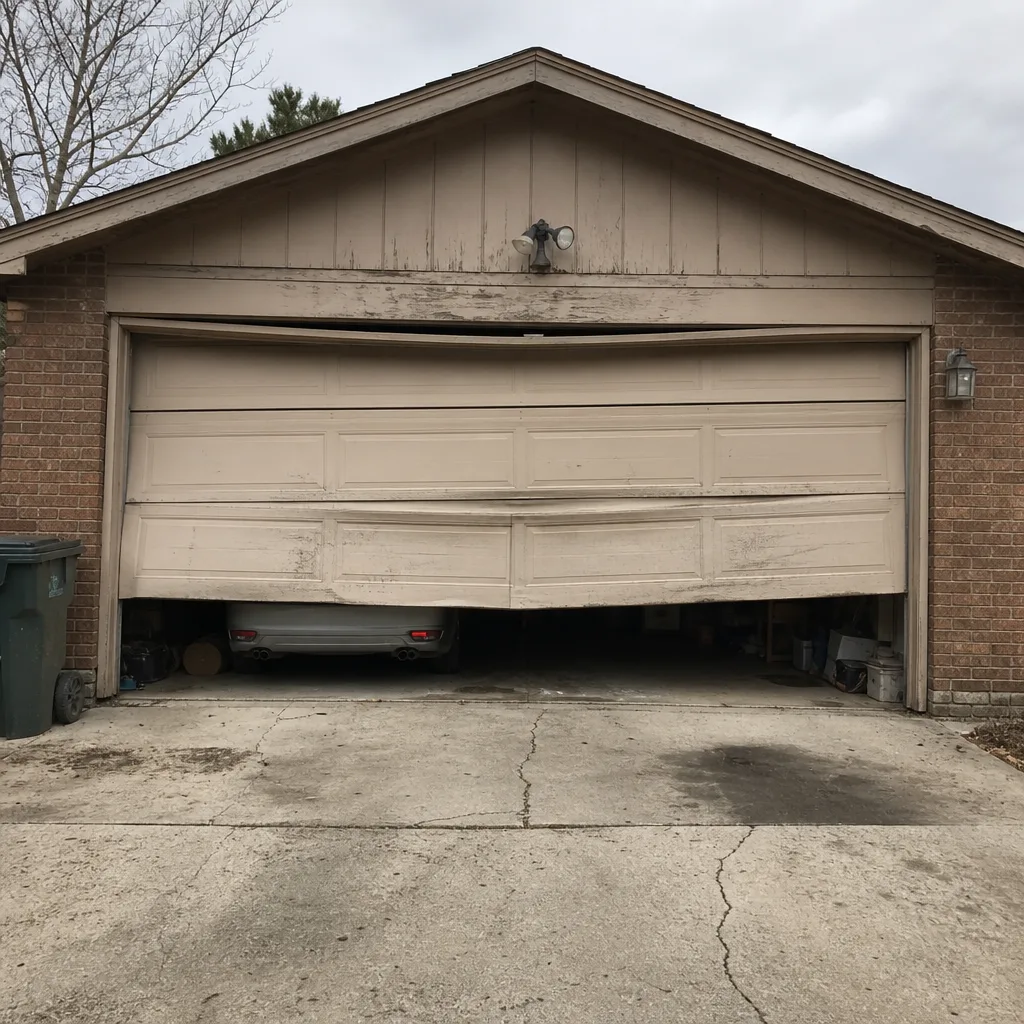 Before
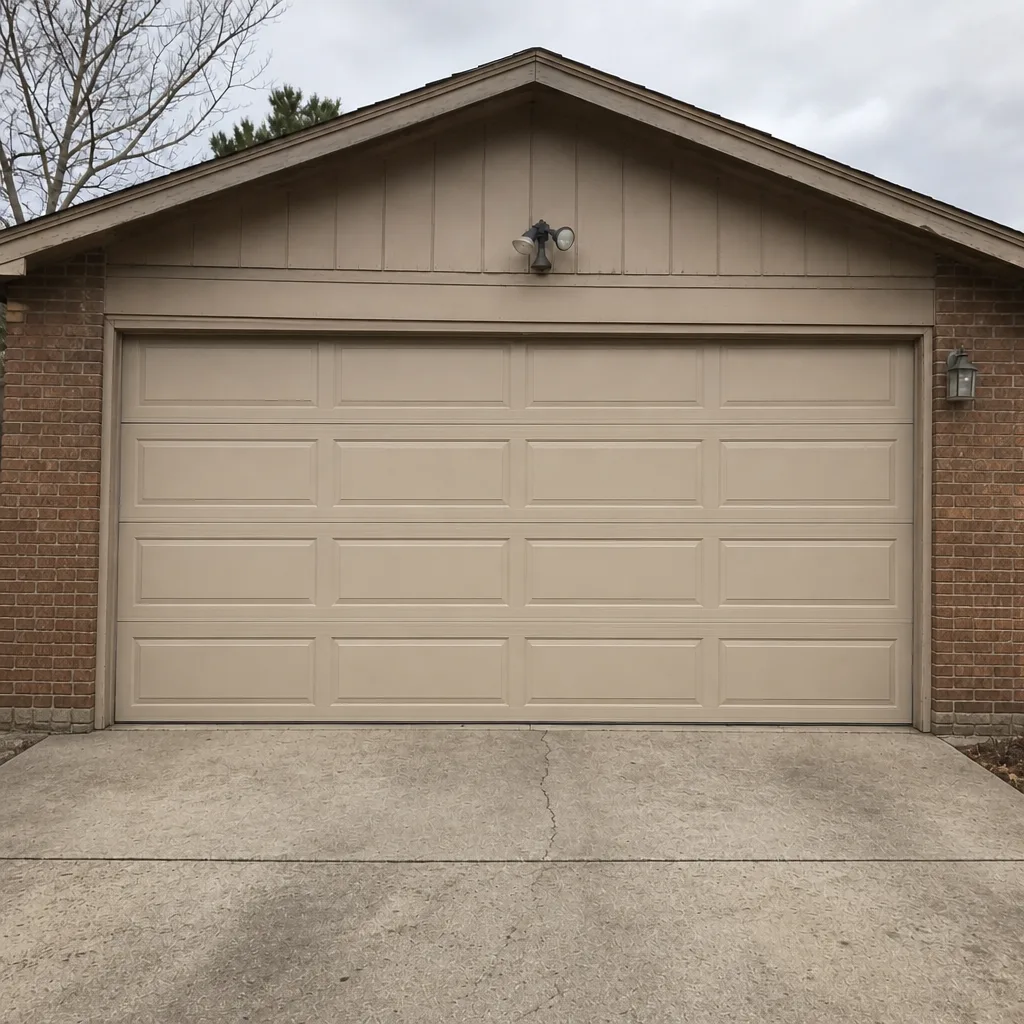 After
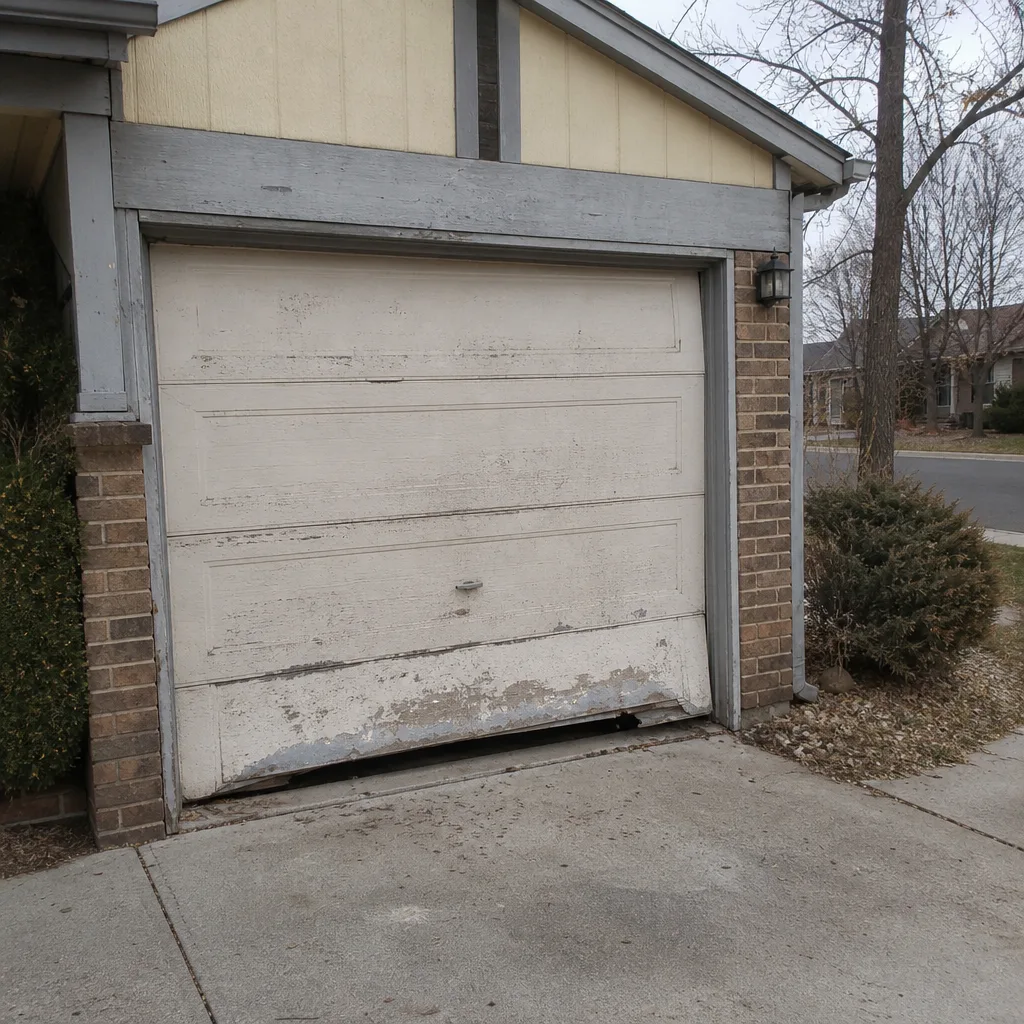 Before
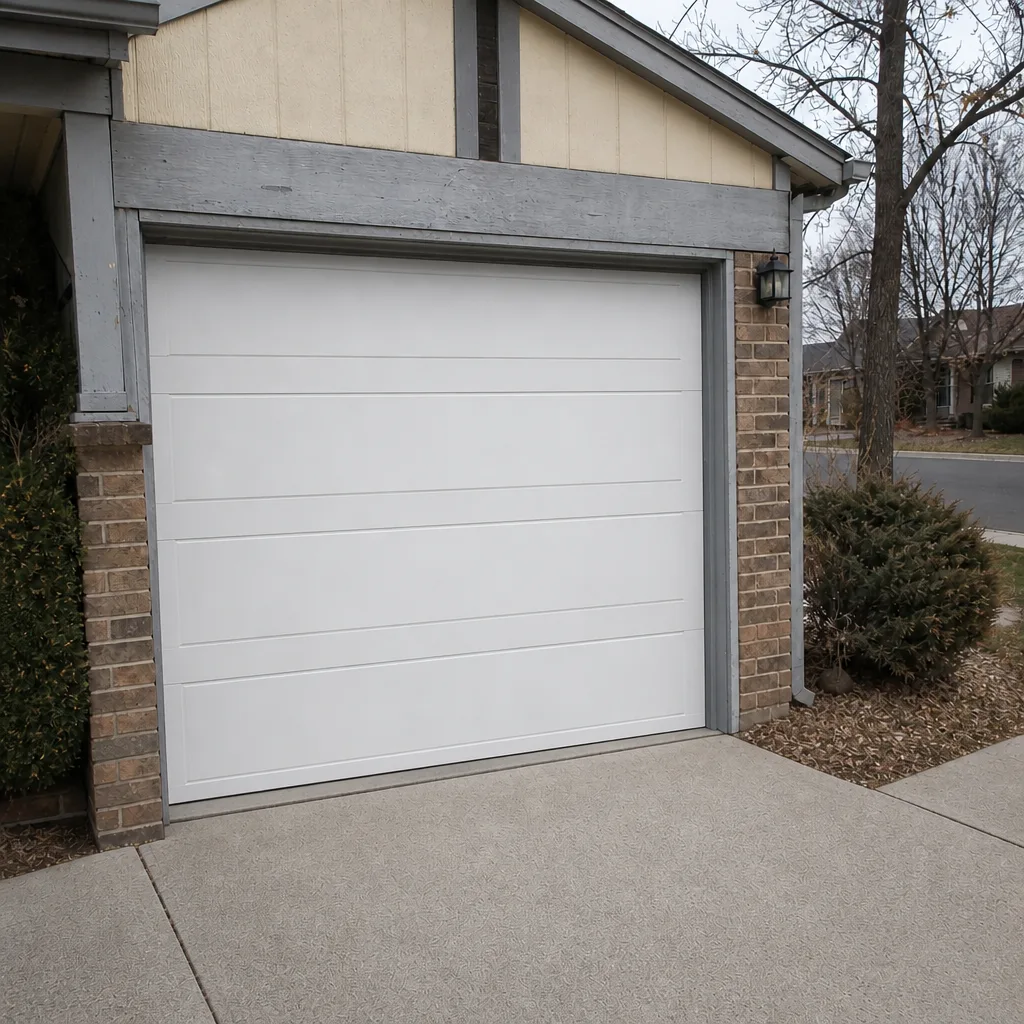 After
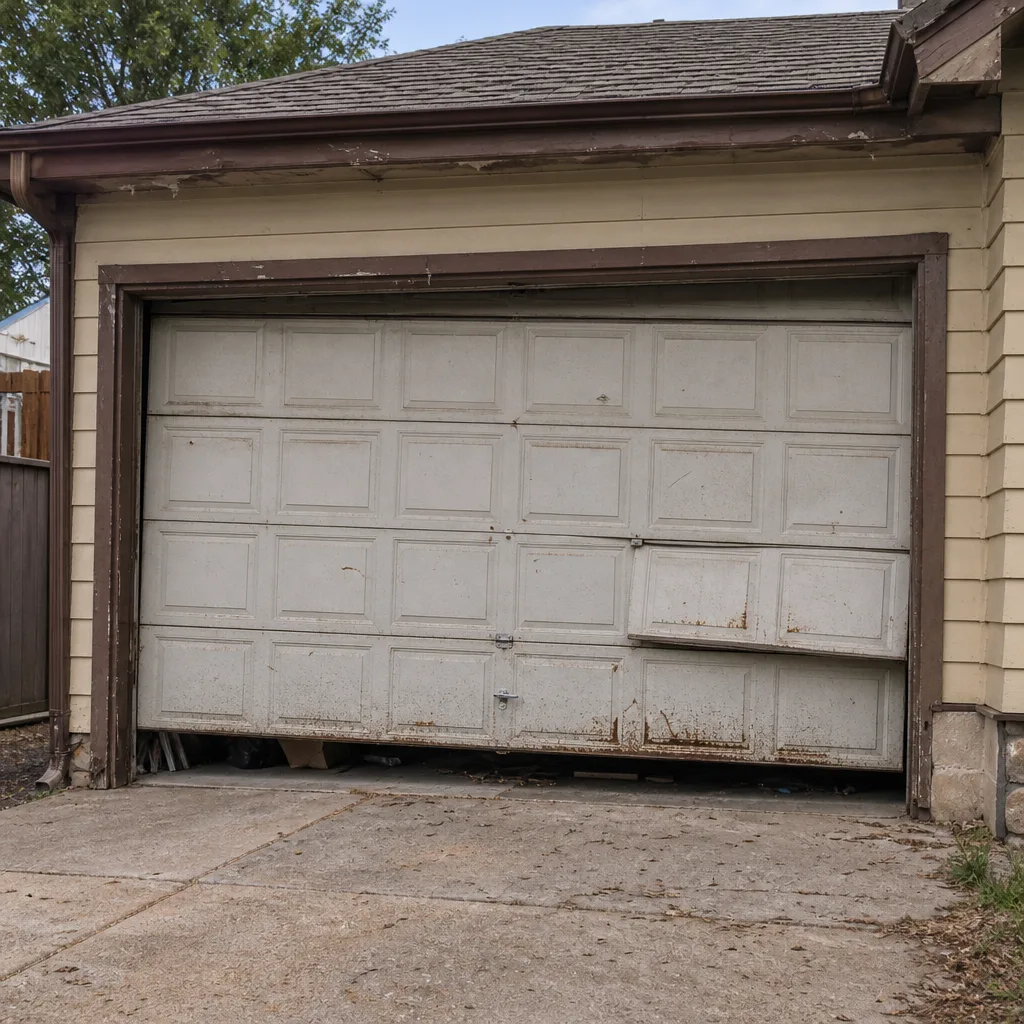 Before
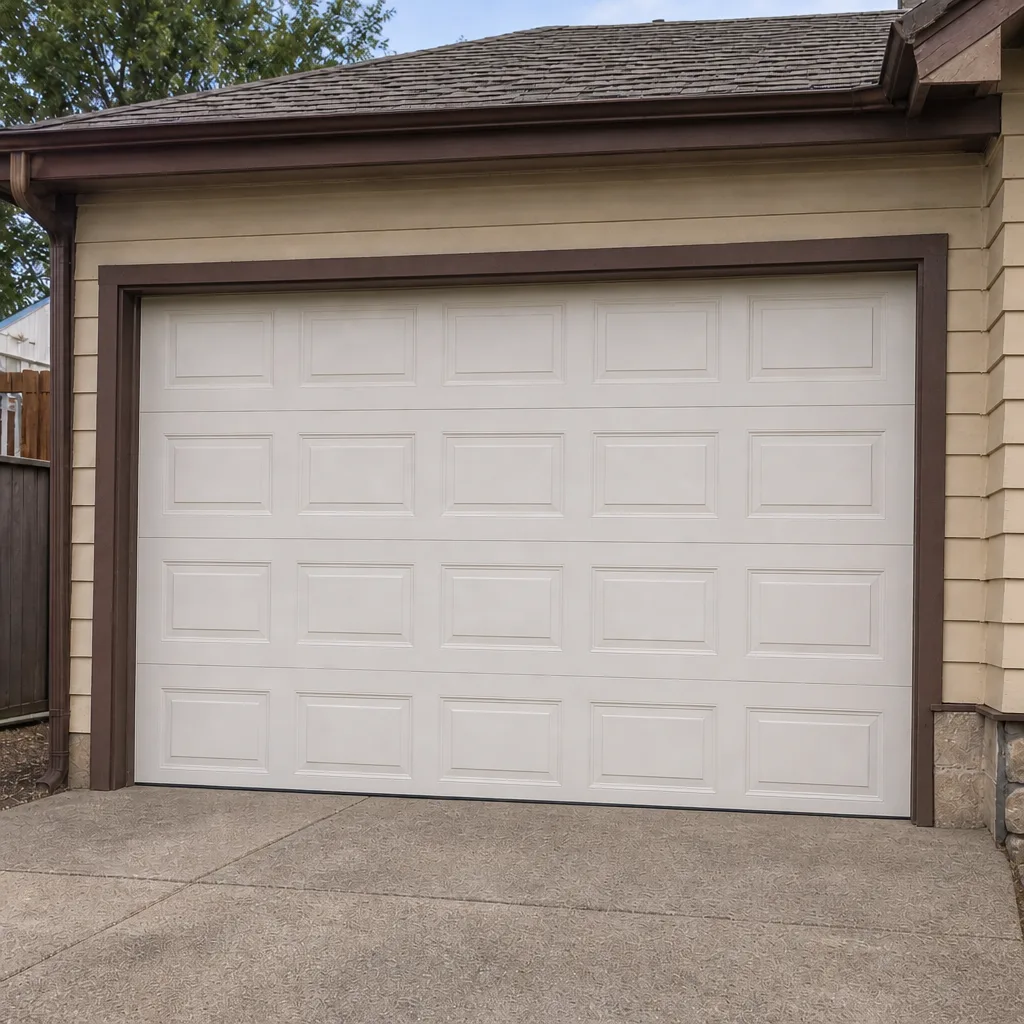 After
When to Call a Professional
You should call a professional when the work involves anything beyond a straight repair on an intact system. If your door is broken and needs to be back in working order quickly, that’s a repair call, and we aim for same-day diagnosis. If a spring has snapped or the torsion assembly is compromised, stop operating the door: springs are under serious tension and injury happens when homeowners try to handle them, so this is a job for a trained technician. If you’re planning a replacement or a new install, the right first step is a free measure and a written price, not a fast install, because the door, the opening, and any permit scope need to line up before anything is ordered. If you’re unsure whether your project crosses into permit territory in Lakewood, that’s a question worth asking before you commit to a contractor – and we’d rather you ask. Garage Door Repair Lakewood Pros offers free estimates in Lakewood – call (833) 968-4997 and we’ll help you sort out scope, and where the permit question needs to be asked, we’ll point you to the right building department.
Frequently Asked Questions
Often no, but not always. A like-for-like replacement with no change to the opening size, framing, operating type, or fire rating typically does not require a City of Lakewood building permit, while a project that alters the opening, changes the fire separation, or modifies garage structure usually does. Because the City of Lakewood and Jefferson County have overlapping jurisdiction, confirm with the building department that owns your parcel before work starts. Call (833) 968-4997 for a free estimate – estimates are free.
Only if the project touches the structure. A straight swap that keeps the rough opening, header, framing, and fire rating intact is a like-for-like replacement and usually falls outside permit scope. Widening or heightening the opening, changing operating type, or repairing or altering the framing around the opening moves the project into permit territory. The scope of work decides, not the fact that a door is involved. Call (833) 968-4997 for an exact quote on your measured scope – estimates are free.
Yes, that’s the risk. A buyer’s inspector typically pulls permit history from the jurisdiction that has permit authority over the parcel, and if a permitted project shows up as unpermitted, the buyer and lender can require it to be brought into compliance before closing. That can mean a retroactive permit, an opened assembly for inspection, and code corrections at your expense. Clearing permit status before you install is the way to avoid that. Call (833) 968-4997 for a free estimate – estimates are free.
No. The HOA architectural review and the municipal permit are entirely separate processes with different authorities and different consequences. The city reviews for code and life safety; the HOA reviews for covenant and aesthetic standards. Approving the door with your HOA does not satisfy the building department, and a city permit approval does not satisfy the HOA. Clear both, in writing. Call (833) 968-4997 for a free estimate – estimates are free.
They check the door against the approved permit documents. That includes anchoring and framing detail, the integrity of the header, fire separation and any labeled door assembly, spring assembly appropriateness for the door weight, and the opener’s safety reverse on test. The point of the inspection is confirmation that the install matches the approved scope, not a fresh design review. Call (833) 968-4997 for a free estimate – estimates are free.
No. The written estimate sets the final price, and the price is quoted and agreed before any work starts. We measure in person and quote from what’s actually there, which is why we don’t quote firm numbers from a photograph. If a measurement or framing detail reveals something the estimate didn’t cover, we tell you before proceeding, not after. Call (833) 968-4997 for an exact quote – estimates are free.
The Bottom Line
Permits, fire ratings, and inspections aren’t the interesting part of a garage door replacement, which is exactly why they get skipped and why they come back to bite at sale. In Lakewood, the sequence to remember is this: confirm which jurisdiction owns your parcel – City of Lakewood or unincorporated Jefferson County – then confirm whether your scope is a like-for-like replacement, then clear HOA architectural review separately, then get the project measured and quoted in writing, then install. Every step in that chain is simple on its own, and every one of them is easier before the door is ordered than after. If you’re planning a replacement, a repair, or just trying to figure out where your project lands, we’re happy to help. For repairs we aim for same-day service; for install work, a free measure and a written price. If your opener needs attention in the meantime, garage door opener repair is one more thing we handle.
Wherever you are in Lakewood, if a permit question is hanging over a project, the cheapest and fastest resolution is a call to the building department, and our team can walk you through what to ask. We work across eight major brands, including Clopay, Amarr, Wayne Dalton, and Craftsman, so the product documentation your inspector needs is usually a phone call away. Call (833) 968-4997 for a free estimate and a straight answer about scope. You can also start at Garage Door Repair Lakewood Pros to see the range of what we do, or take a look at garage door installation for the full replacement picture.
Written by the team at Garage Door Repair Lakewood Pros.