Last updated November 21, 2026
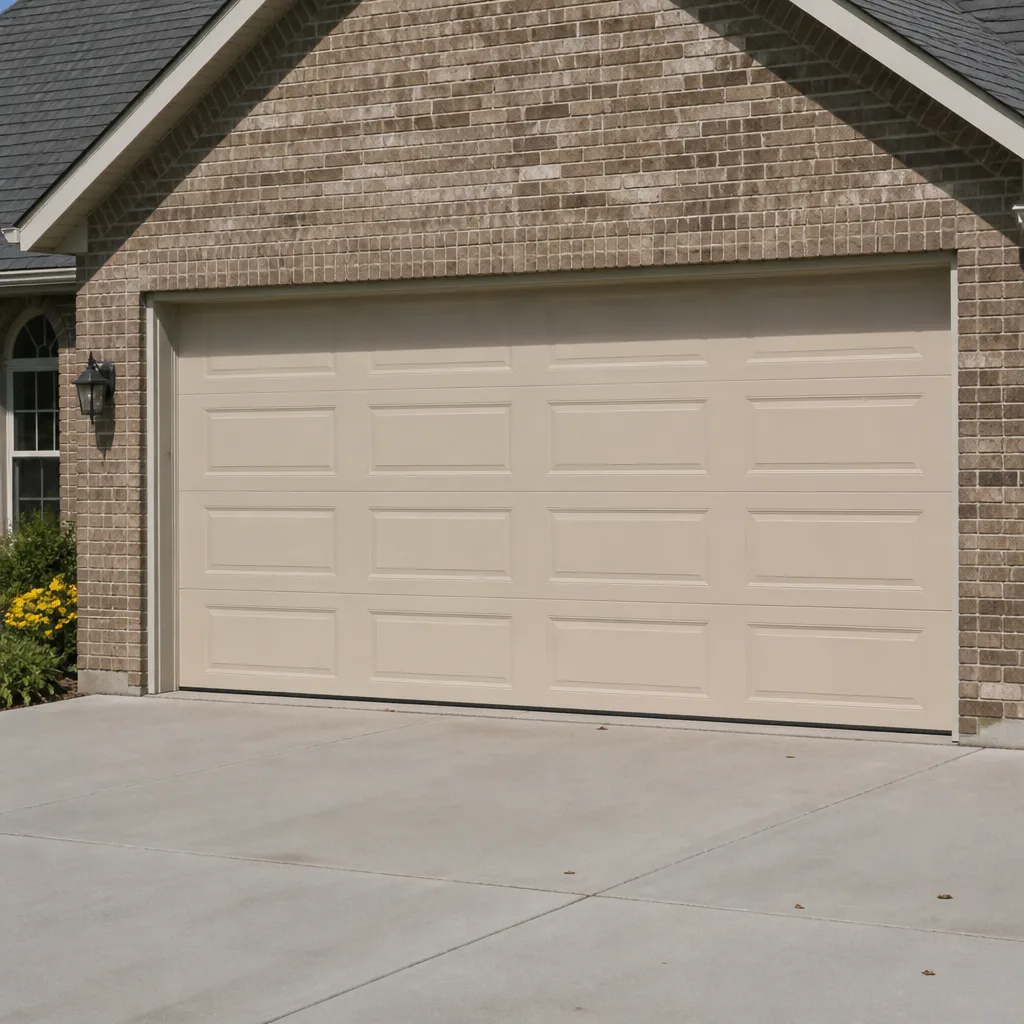 Raised-panel steel
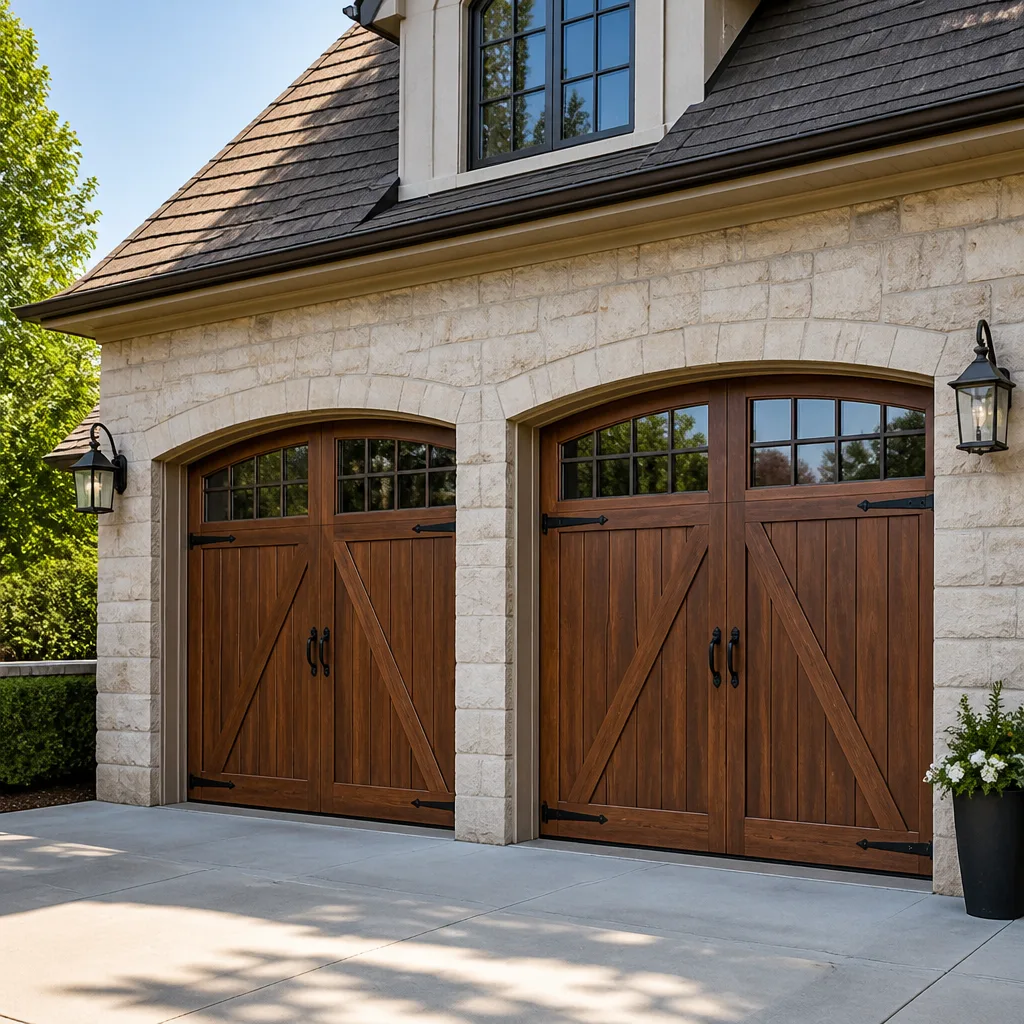 Carriage house
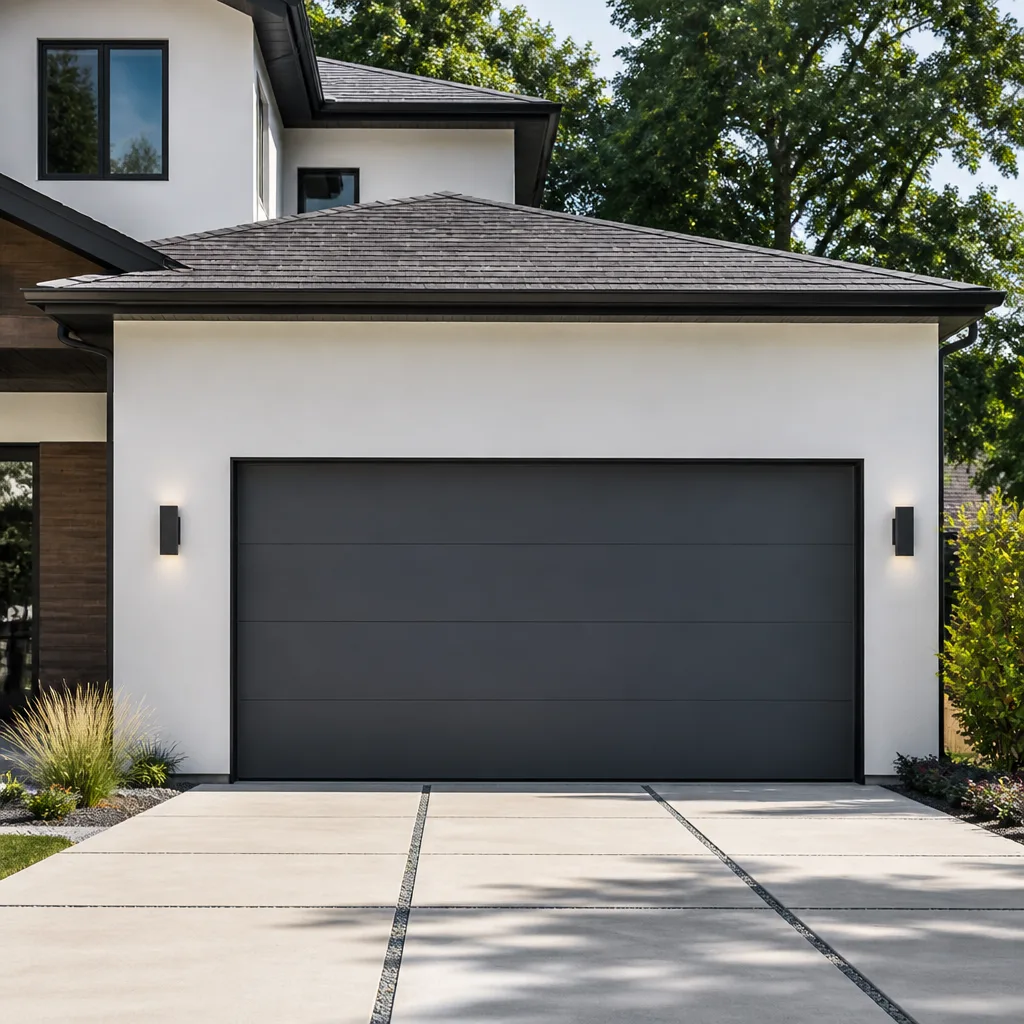 Modern flush
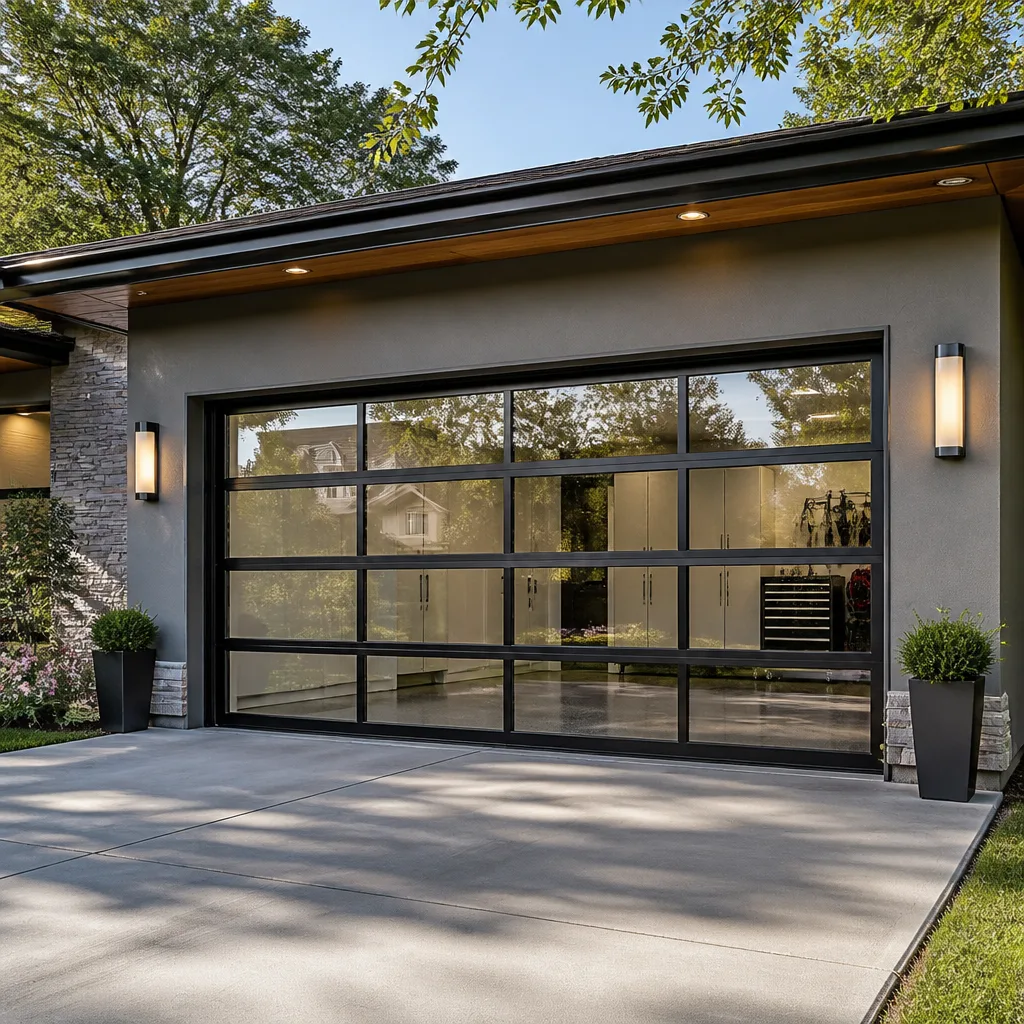 Full-view glass
 LiftMaster openers
 Chamberlain openers
Full 25-point door and opener safety check with every visit - springs, cables, rollers, tracks, and your LiftMaster or Chamberlain opener included
You get a price before we start. It does not change when the pro arrives.
Get your free estimateSeasonal Garage Door Care for Lakewood: Year-Round Homeowner’s Guide
Most garage door advice is written for a climate that doesn’t exist here. You’ll read that you should “service the door in spring and winter,” as if Lakewood got four tidy seasons in equal measure. It doesn’t. Lakewood averages around 300 days of sunshine a year, which sounds gentle until you remember we sit at elevation, where that sun is stronger and the cold snaps come later than the calendar suggests. A storm in late April can still drop snow on a door you just tuned up for summer. This guide is about timing seasonal care to Lakewood’s actual weather patterns: the real freeze windows, the west-facing afternoon heat, and the tasks you can safely handle versus the ones that need a trained technician.
Quick Answer
Seasonal garage door care in Lakewood works best when you time it to weather, not to the calendar. That means inspecting and lubricating in early October before the first hard freeze, testing balance and hardware in May after the last real snow risk has passed, and checking weatherstripping and finishes in high-summer when UV is doing the most damage. The one task homeowners should never attempt is adjusting spring tension, which belongs to a trained technician.
Styles & brands we work with
- Raised-panel steel
- Carriage house
- Modern flush
- Full-view glass
- LiftMaster openers
- Chamberlain openers
Table of Contents
- Why Lakewood’s Calendar Doesn’t Match the Seasons
- Pre-Winter Prep: The Warm-Cold-Warm Cycle That Tears Bottom Seals
- Spring Maintenance and Lakewood’s April Snowstorms
- Summer UV and Heat Expansion on West-Facing Doors
- Fall Tasks and the First Frost Window
- What You Can Do Safely vs. What Needs a Technician
- A Month-by-Month Task List for Lakewood Homeowners
- Opener and Door Brands and Seasonal Checks
Why Lakewood’s Calendar Doesn’t Match the Seasons
Lakewood sits west of Denver against the foothills, and that geography does strange things to a weather forecast. The city gets plenty of sun, but it also gets fast temperature swings driven by cold air sliding down from the mountains. A February afternoon can hit the mid-50s and feel like spring, then drop 40 degrees overnight. April can deliver a genuine blizzard after two weeks of warm, dry days.
That pattern matters for your garage door because the door is a big moving assembly of steel, aluminum, wood or composite panels, rubber seals, and torsion springs under heavy load. Every one of those materials responds to temperature differently.
- Rubber and vinyl seals stiffen in the cold and turn brittle from UV in the heat. They expand and contract with each warm-cold swing.
- Metal panels and hardware expand in direct afternoon sun on a west-facing wall and contract hard after sunset.
- Torsion and extension springs change tension with temperature. A cold spring behaves differently than a warm one.
- Paint and finish take more UV here than at lower elevations, so surfaces chalk and fade faster.
So the standard “spring and fall” advice is only half right. In Lakewood, the freeze windows matter, the late snow matters, and the summer sun matters just as much as the cold. This is a garage door guide built around that reality.
Pre-Winter Prep: The Warm-Cold-Warm Cycle That Tears Bottom Seals
The single most common winter garage door problem in Lakewood isn’t a broken spring or a dead opener. It’s the bottom seal. Here’s why: the city’s autumn and early winter swing back and forth between warm, sunny days and sharp overnight freezes. During the warm stretch the rubber bottom seal relaxes and softens against the concrete floor. Overnight it freezes and can stick to that slab. When the door lifts the next morning, it pulls against the stuck rubber. Do that repeatedly for a season and the seal tears, cracks or separates from the aluminum retainer.
Good pre-winter prep, done in early October before the first consistent overnight freezes, focuses on that seal and on everything that stiffens in the cold:
- Drop the door and look at the bottom seal along its full length. Run a hand under it. If rubber feels hard, cracked or separated from the retainer, plan to replace it before the freeze sets in.
- Clean the concrete threshold and clear any debris or packed dirt that could glue the seal down.
- Wipe the bottom seal down with a silicone-based lubricant so it slides instead of sticking. Don’t use a heavy grease, which collects grit.
- Lubricate the hinges, rollers and bearing plates at the hinge points. Cold makes dry metal stiff, and stiff metal is a slow, grinding wear problem.
- Test the door’s balance by disengaging the opener and lifting it halfway by hand. It should stay put. If it drops or rises on its own, the springs are out of balance and worth a close look.
- Check the opener’s safety reverse. Place a roll of paper towels or a scrap 2×4 under the door and let it close. It should reverse on contact. This matters all year but especially when a seal gets stiff.
When the seal is well maintained, the warm-cold-warm cycle is a nuisance. When it isn’t, you get torn rubber, drafts, and water sneaking under the door into the garage.
Spring Maintenance and Lakewood’s April Snowstorms
Here’s where the calendar advice fails hardest. Many homeowners schedule their spring garage door tune-up in March because that’s what a general home maintenance checklist tells them. In Lakewood, March is still risky. Late-season snowstorms and deep overnight freezes can arrive into April, and a door serviced and re-lubricated for warm weather just before a freezing night can stiffen up again.
The better approach is to wait until the last real freeze risk has passed before doing your heavier spring work. That means watching the forecast rather than a date on the wall. Once you’re past the last historical freeze window, the spring checklist looks like this:
- Re-check the bottom seal for damage from the winter’s freeze cycles and replace it if it survived but is worn.
- Lubricate all moving parts again, because winter rinses away and dries out the lubricant you applied in fall.
- Inspect rollers for flat spots, cracks or wobble. Cold weather is hard on plastic rollers, and worn rollers make the door loud and erratic.
- Test the balance the same way you did in autumn. Winter strain shows up here.
- Check hinge screws and track bolts for loosening from a season of expansion and contraction.
- Look at the paint and finish on the panels, especially on sunny exposures, and touch up any chipping before it becomes rust.
Scheduling this work late rather than early respects Lakewood’s actual freeze pattern. A tune-up done the week before a surprise April storm is a tune-up you may have to redo.
Summer UV and Heat Expansion on West-Facing Doors
At this elevation, the summer sun does real work on a garage door. The opening hook of this guide is worth repeating: the sunshine that makes Lakewood a pleasant place to live is also what ages your door fastest. Weatherstripping dries and cracks. Paint chalks and fades. Vinyl and rubber seals lose their flexibility. None of that happens overnight, but it happens faster here than in a lower, more humid city.
The heat problem is more specific than general UV exposure. A west-facing garage door takes direct afternoon sun, and metal panels and aluminum hardware expand in that heat. Then the door cools quickly after sunset. That daily expand-contract cycle works on fasteners, panel seams and seals.
What to check in summer:
- Weatherstripping on the sides and top. Look for cracks, gaps or a brittle feel. UV is the main culprit. Replace worn stripping before it fails entirely.
- Panel seams. Watch for any separation or flexing on a door that bakes in the afternoon sun. Panel stress is worth a professional look.
- Fasteners. Check hinge and track bolt tightness. Expansion loosens things over the summer, and a loose track makes a door drag.
- Paint and finish. A light cleaning and a touch-up on any chipped spots protects the steel beneath. On a west-facing door, this is not cosmetic housekeeping; it’s what stops rust from starting.
- Safety sensors and opener performance. Heat and direct sun can bother the safety sensors, especially if they’re hit by low afternoon light. Wipe them clean and check alignment.
Doors from Clopay and Amarr hold up well to this climate, but no finish lasts forever under high-altitude sun. A little maintenance in June saves a panel replacement later.
Fall Tasks and the First Frost Window
The fall window matters because of what happens to an un-lubricated torsion spring when temperatures first drop hard. Springs are steel wire coiled under heavy load. When the cold arrives and the lubricant on them has dried out over summer, the coils can bind against each other and the spring becomes stiff and noisy. A dry, cold torsion spring wears faster, and the risk of a spring breaking climbs sharply in the first cold snap of the season.
That’s why fall maintenance in Lakewood should happen before the first hard frost, not after. The fall checklist centers on cold preparation:
- Lubricate the springs with a proper garage door lubricant. This is a visual and surface task; we cover why you don’t adjust tension yourself below.
- Lubricate hinges and rollers so cold mornings don’t start with a grinding door.
- Inspect the bottom seal ahead of the warm-cold-warm freeze cycle described earlier. Replace it now, not in January.
- Check the opener’s force and travel settings if the door is starting to feel stiff. A cold door can trip a force setting that was fine in summer.
- Clear the tracks of summer dust and debris. Grime plus cold equals drag.
- Confirm weatherstripping is intact so wind and snow don’t blow under the door and freeze.
Fall is also the right time to look at the whole door’s balance and springs, before the winter load arrives. If the door feels heavy or won’t hold its position, get it checked rather than forcing it through the cold months.
What You Can Do Safely vs. What Needs a Technician
This is the honest part, and it matters more than any checklist. Some seasonal tasks are well within reach for a careful homeowner. Others involve stored mechanical energy that can injure you badly if something slips. Knowing the difference is what separates routine maintenance from a trip to the emergency room.
Safe for a homeowner
- Wiping down weatherstripping and applying silicone lubricant to seals.
- Lubricating hinges, rollers and bearing plates at the visible movement points.
- Cleaning and aligning the photo-eye safety sensors.
- Testing the opener’s safety reverse with a scrap of wood.
- Washing the door and touching up chipped paint.
- Clearing debris from the tracks with a cloth or brush.
- Checking that sensors and the wall control work as expected.
Needs a trained technician
- Adjusting torsion spring tension. Springs are under serious tension, and adjusting them wrongly can release that energy in an instant. This is a job for a trained technician, full stop. Don’t attempt it.
- Replacing torsion or extension springs. Same reason. A spring that lets go while you’re near it can cause serious injury.
- Rewinding or removing tension on springs to work on cables or drums.
- Replacing a snapped cable, which is also under load.
- Realigning a bent track when the door is off its rollers, because the door’s weight is unpredictable in that state.
A real specialist flags the danger rather than handing you a wrench and a video. If a task involves spring tension or a loaded cable, that’s the line. Our technicians have up to 14 years of experience with exactly these jobs, and it’s the part of garage door repair where that training counts most. When your spring is the problem, that calls for dedicated garage door spring repair rather than a general handyman visit, because a spring failure is a safety issue and not just a convenience one.
A Month-by-Month Task List for Lakewood Homeowners
The calendar below follows Lakewood’s weather patterns rather than a generic four-season schedule. Treat the months as guidance and adjust for the actual forecast, since a late cold snap or an early warm stretch can shift the timing.
January and February
- Keep an eye on the bottom seal as the freeze-thaw cycle runs. Report tears early.
- Listen for new grinding or squealing; winter is when dry parts announce themselves.
- Make sure the door opens smoothly before the coldest nights. A stiff door under a cold opener is more likely to trip a force setting.
March and April
- Hold off on the heavy tune-up until the last freeze risk passes. April snowstorms are real here.
- After the last snow, re-check the bottom seal and re-lubricate all moving parts.
- Test balance and inspect rollers for cold-weather wear.
May and June
- Wash the door and touch up any chipped paint before the summer sun does more work.
- Inspect side and top weatherstripping for UV damage.
- Check fasteners after the winter’s expansion and contraction.
July and August
- Watch west-facing doors for heat expansion symptoms: panel flex, loosening fasteners, and sun-affected safety sensors.
- Clean the safety sensors and confirm they line up.
- Re-touch any paint chipping that summer sun has started.
September and October
- Lubricate springs, hinges and rollers ahead of the first hard frost.
- Replace a worn bottom seal now, before the warm-cold-warm cycle begins.
- Clear the tracks and confirm weatherstripping is intact.
- Check opener force and travel settings for the coming cold.
November and December
- Confirm the bottom seal isn’t sticking to the slab on cold mornings.
- Keep the door clear of snow and ice buildup at the threshold.
- Watch for new noises or slow operation as temperatures drop.
Opener and Door Brands and Seasonal Checks
When a seasonal task turns into a repair or a replacement, the brand on your door and opener matters. A door from Clopay or Amarr, or a builder-grade Wayne Dalton, has its own components and its own wear patterns. The opener matters too. A classic Craftsman opener and a wi-fi-enabled LiftMaster or Chamberlain unit behave differently when temperatures swing, and the force and travel settings need attention differently.
At Garage Door Repair Lakewood Pros, we work on the brand you already own. Our technicians are certified to service eight leading brands: LiftMaster, Chamberlain, Genie, Clopay, Amarr, Wayne Dalton, Craftsman and Raynor. That cross-brand knowledge means we don’t have to guess how your specific hardware responds to a Lakewood cold snap or a west-facing summer sun. It also means fewer “we’ll have to order that” delays, because we stock parts for the most widely-owned residential brands.
If a seasonal inspection reveals an opener that’s struggling, garage door opener repair can get the settings and components back where they belong. If the door itself needs replacing entirely, garage door installation is measured and scheduled rather than rushed, and the written price comes before the work starts. And when a door simply won’t move on a cold morning, that’s usually the moment to call a specialist who covers everything from springs to openers under one roof. Whether your opener is a classic Craftsman or a wi-fi-enabled LiftMaster, the seasonal checks stay the same; the parts inside don’t.
Common Mistakes to Avoid
- Scheduling the spring tune-up in March. It’s tempting because that’s what every checklist says, but Lakewood can still bring a late snowstorm into April. Wait until the last freeze risk passes, then do the heavier work.
- Ignoring the bottom seal through autumn. The warm-cold-warm cycle sticks and tears that rubber, and a torn seal lets in drafts and water. Inspect it before the first hard freeze.
- Lubricating springs but never checking them. Lubrication helps, but a dry, worn spring under winter load is the classic break point. A quick balance test tells you whether it needs a technician’s look.
- Adjusting a torsion spring yourself. This is the mistake with the highest stakes. Springs store a lot of energy, and a mishandled adjustment can release it instantly. This belongs to a trained technician.
- Assuming a west-facing door needs no summer care. High-altitude UV and afternoon heat expand and age the door faster on the sunny side. Check paint, weatherstripping and fasteners every summer.
- Skipping the safety-reverse test. A stiff cold seal or a misaligned sensor is easy to overlook until it fails, and the reverse feature is what makes the door safe for kids and pets.
- Letting a noisy door go unfixed through winter. Grinding or squealing in the cold usually means dry or worn parts, and waiting makes the wear worse.
See the difference
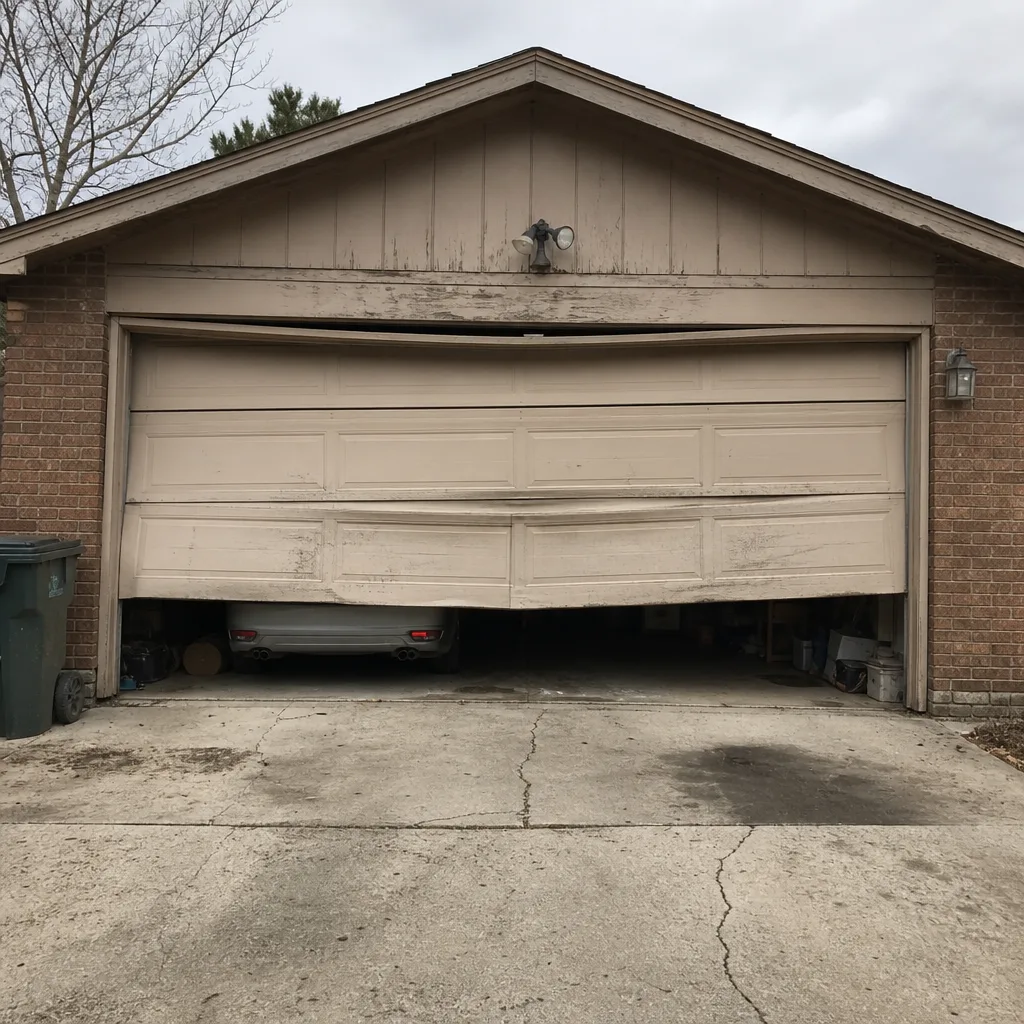 Before
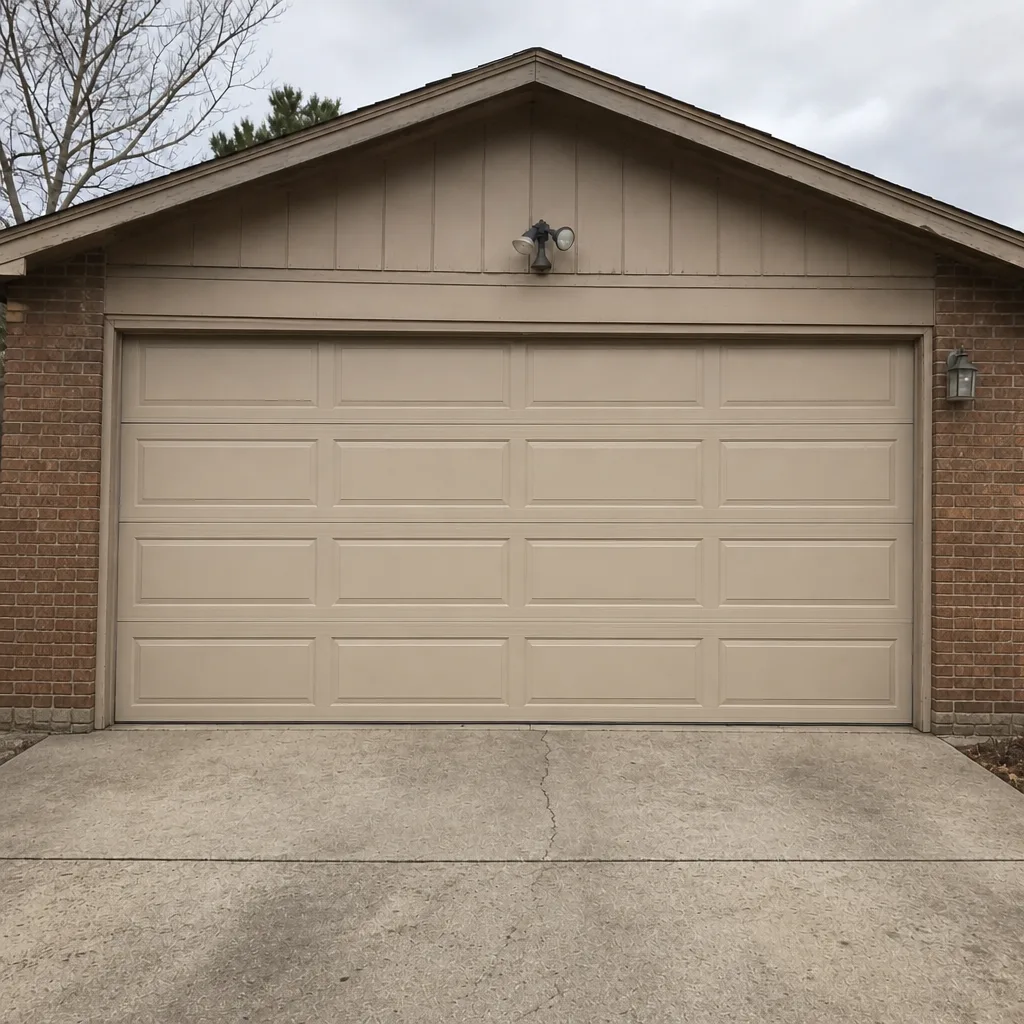 After
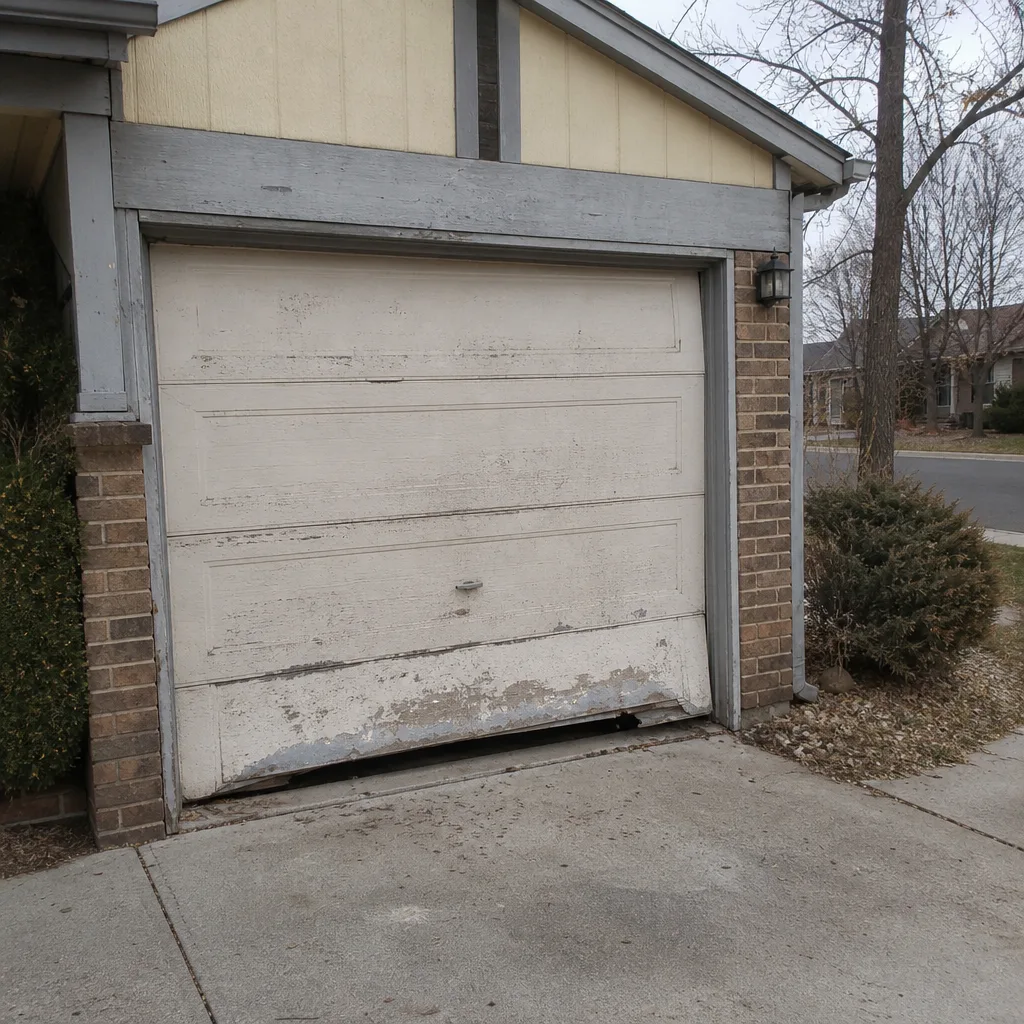 Before
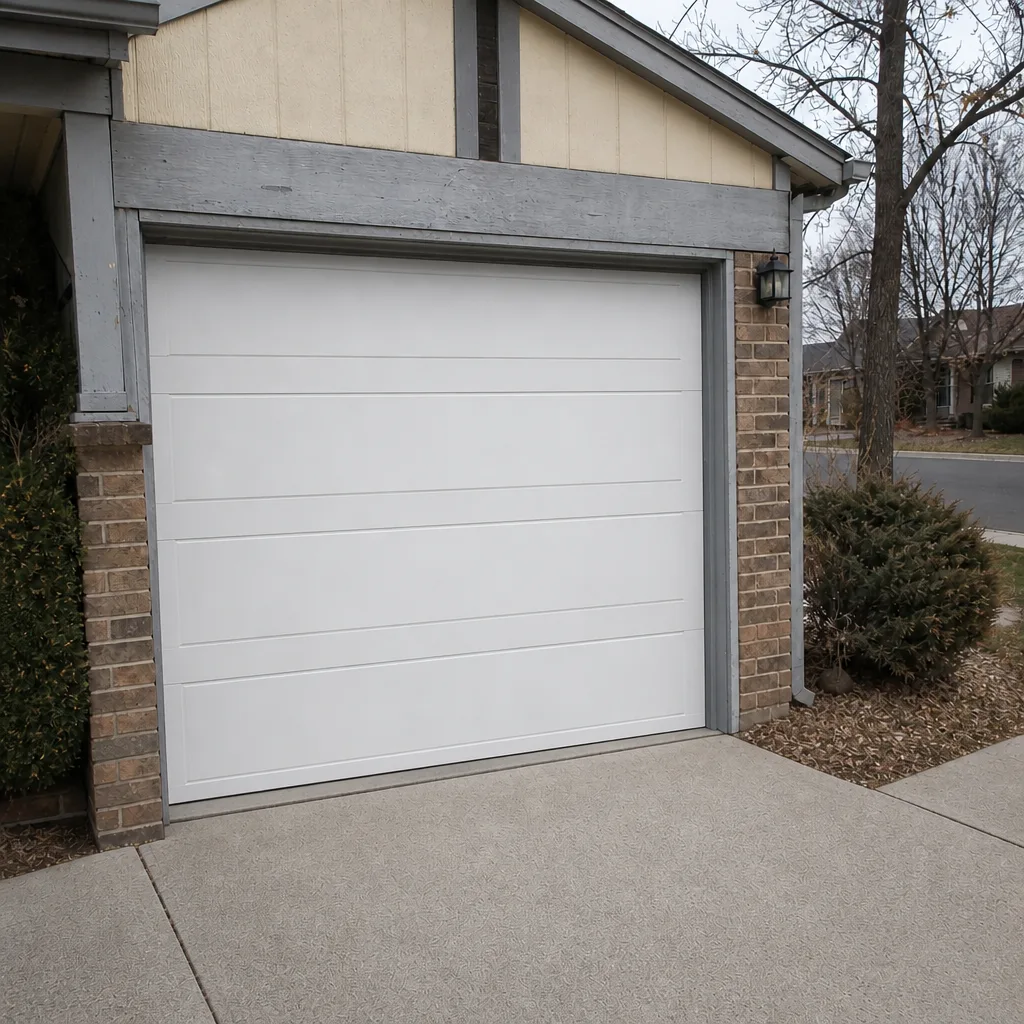 After
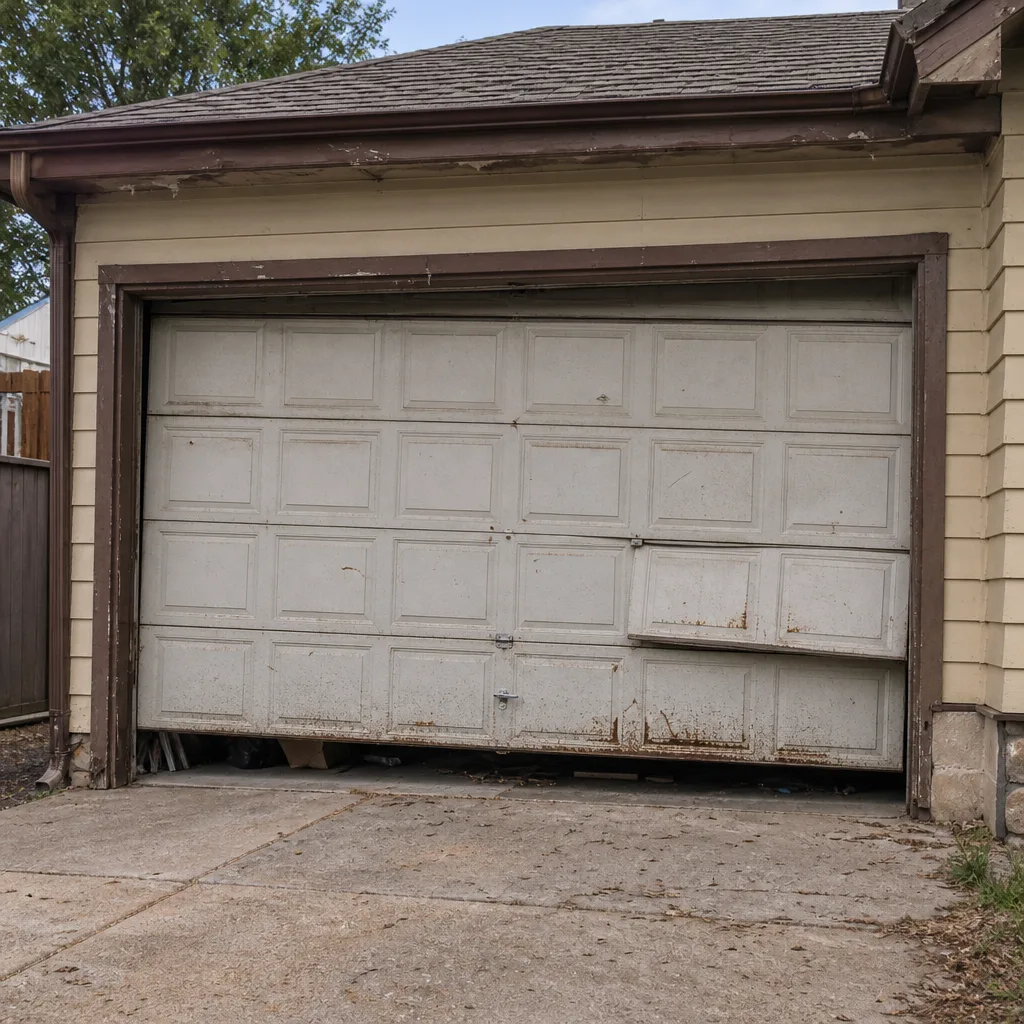 Before
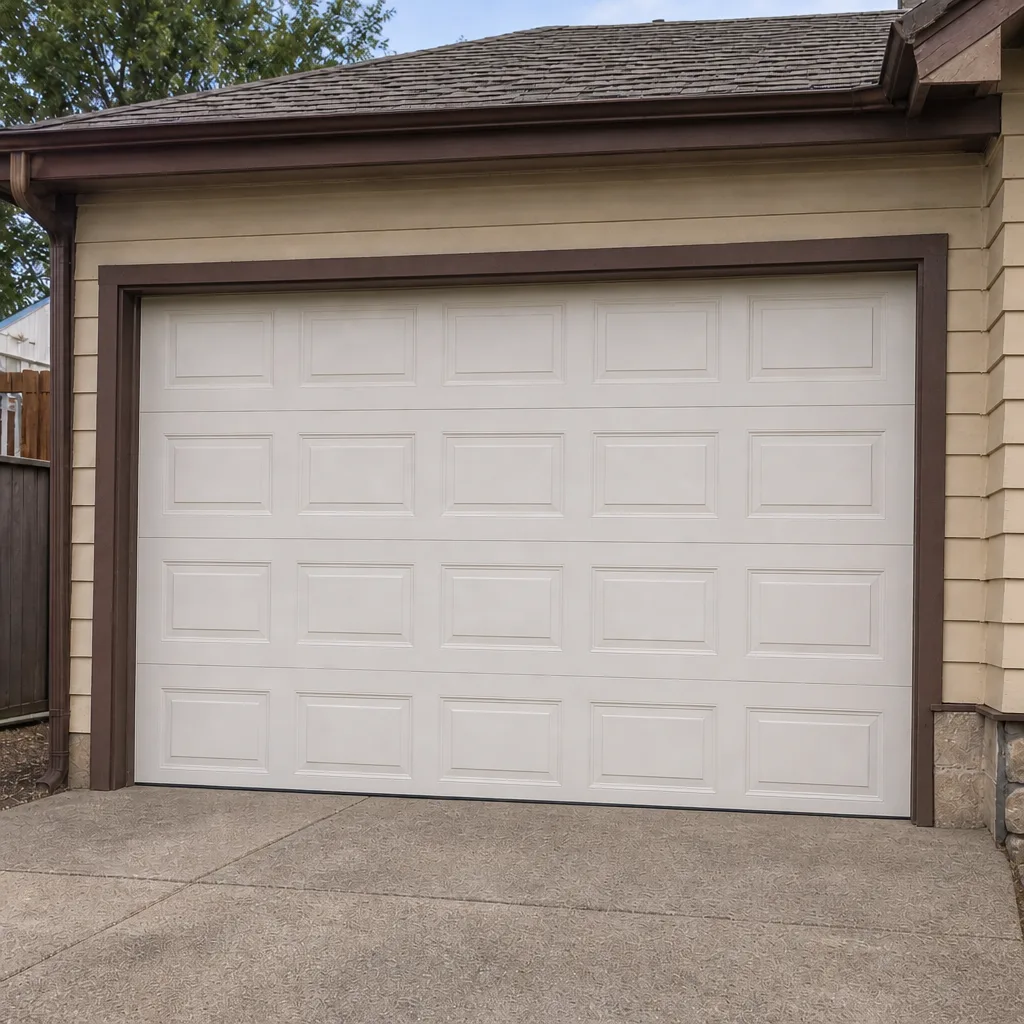 After
When to Call a Professional
Some seasonal problems are just maintenance. Others need a technician. Call when the door won’t balance or holds its position poorly, when you see or hear a spring issue, when a cable is loose or snapped, when the door comes off its track or won’t close flush, or when the opener’s force and travel settings won’t hold through a temperature swing. If your bottom seal keeps tearing no matter how often you replace it, or if a west-facing door’s panels look stressed after the summer, that’s worth a look too. These are the jobs where Garage Door Repair Lakewood Pros can take the guesswork off your hands. Garage Door Repair Lakewood Pros offers free estimates in Lakewood, so call (833) 968-4997 and we’ll take a look before the window closes.
Spring issues get a lot of attention, and for good reason: a broken spring is one of the highest-risk garage door repairs. But the everyday grind of a door working hard in a tough climate also deserves a trained eye. If you’re ever unsure whether a task is safe, that uncertainty alone is a good reason to call.
Frequently Asked Questions
Schedule the heavier tune-up in late spring, after the last freeze risk has passed, and do cold prep in early October before the first hard frost. Lakewood’s freeze pattern is the deciding factor, so watch the forecast rather than a fixed date. Call (833) 968-4997 for a free estimate if you’d rather have a technician assess the door.
Yes, lubricating hinges, rollers, bearing plates and the bottom seal is a safe homeowner task. Cleaning and aligning the safety sensors and touching up paint are also fine. Adjusting spring tension is not safe for a homeowner, because those springs are under heavy load. Call (833) 968-4997 if the door feels out of balance.
A bottom seal sticking in winter is usually the warm-cold-warm freeze cycle gluing the rubber to the concrete. Clean the threshold and apply a silicone lubricant to the seal before the freeze sets in. If the seal is already torn or hard, it needs replacing. Call (833) 968-4997 and we’ll take a look.
Yes, high-altitude UV ages weatherstripping and paint faster than at lower elevations. On west-facing doors, the afternoon sun adds heat expansion that loosens fasteners and stresses panels over time. Check the seal and paint every summer. Call (833) 968-4997 for a free estimate if the finish is failing.
Some noise is normal as parts stiffen in the cold, but grinding or squealing usually means dry or worn parts that need attention. Lubricate the hinges and rollers, and have the springs checked if the noise persists. Call (833) 968-4997 to get it looked at before the wear gets worse.
No. Torsion springs are under serious tension, and a mishandled adjustment or replacement can release that energy in an instant. This is a job for a trained technician, not a homeowner project, no matter how many videos you watch. Call (833) 968-4997 and we’ll handle it safely.
The Bottom Line
Seasonal garage door care in Lakewood works when you follow the weather instead of the calendar. Do your cold prep in early October before the first hard frost, hold the heavier spring tune-up until the late-snow risk has passed, and check weatherstripping and finishes in high summer when UV does the most damage. Lubricate seals, hinges and rollers yourself, but leave spring tension to a trained technician. Follow those patterns and your door handles Lakewood’s swings without surprises. Our technicians have up to 14 years of experience, and we work across the brands you already own, from Clopay to Wayne Dalton, so if a seasonal check turns up a real problem, we can fix it correctly the first time.
Call Garage Door Repair Lakewood Pros at (833) 968-4997 for a free estimate. Whether it’s a stuck seal, a noisy cold-morning door or a spring that needs a professional look, we’ll get you back in working order.
Written by the team at Garage Door Repair Lakewood Pros.