Last updated November 21, 2026
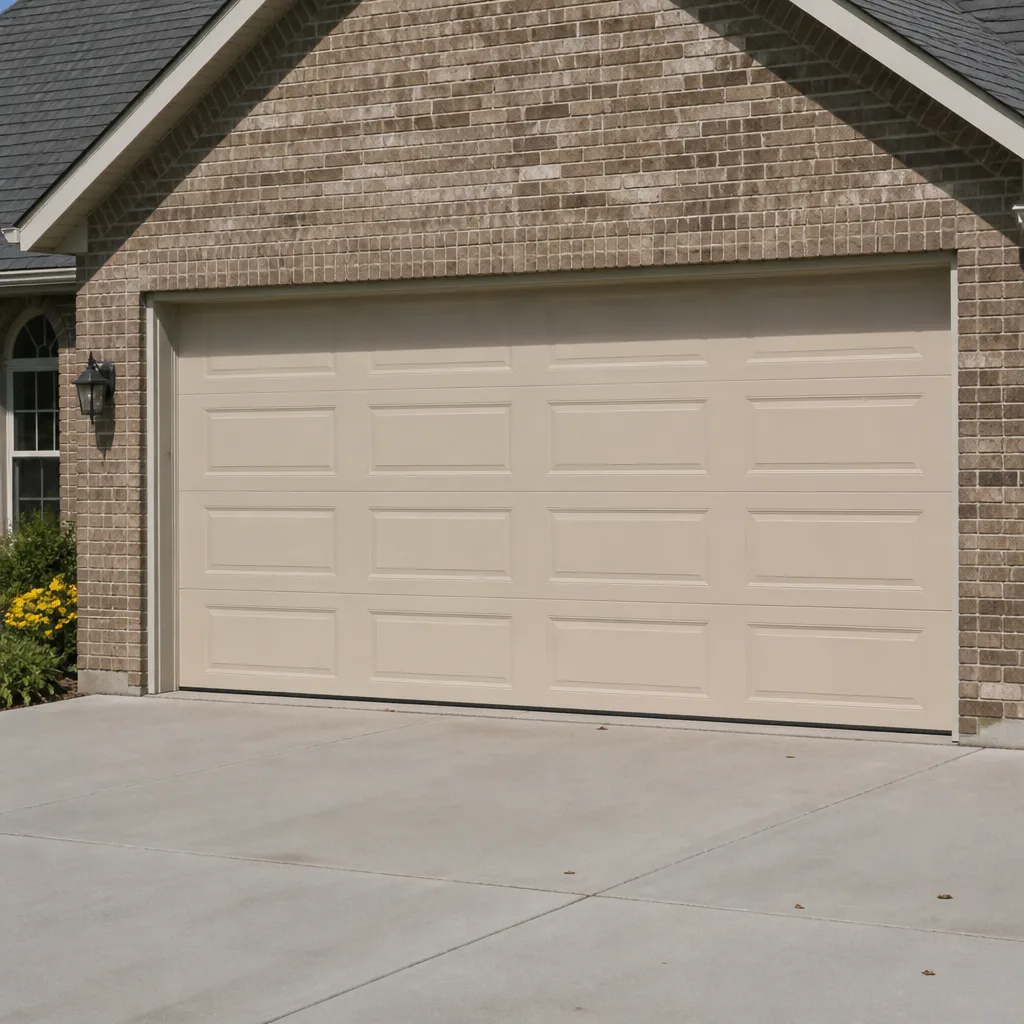 Raised-panel steel
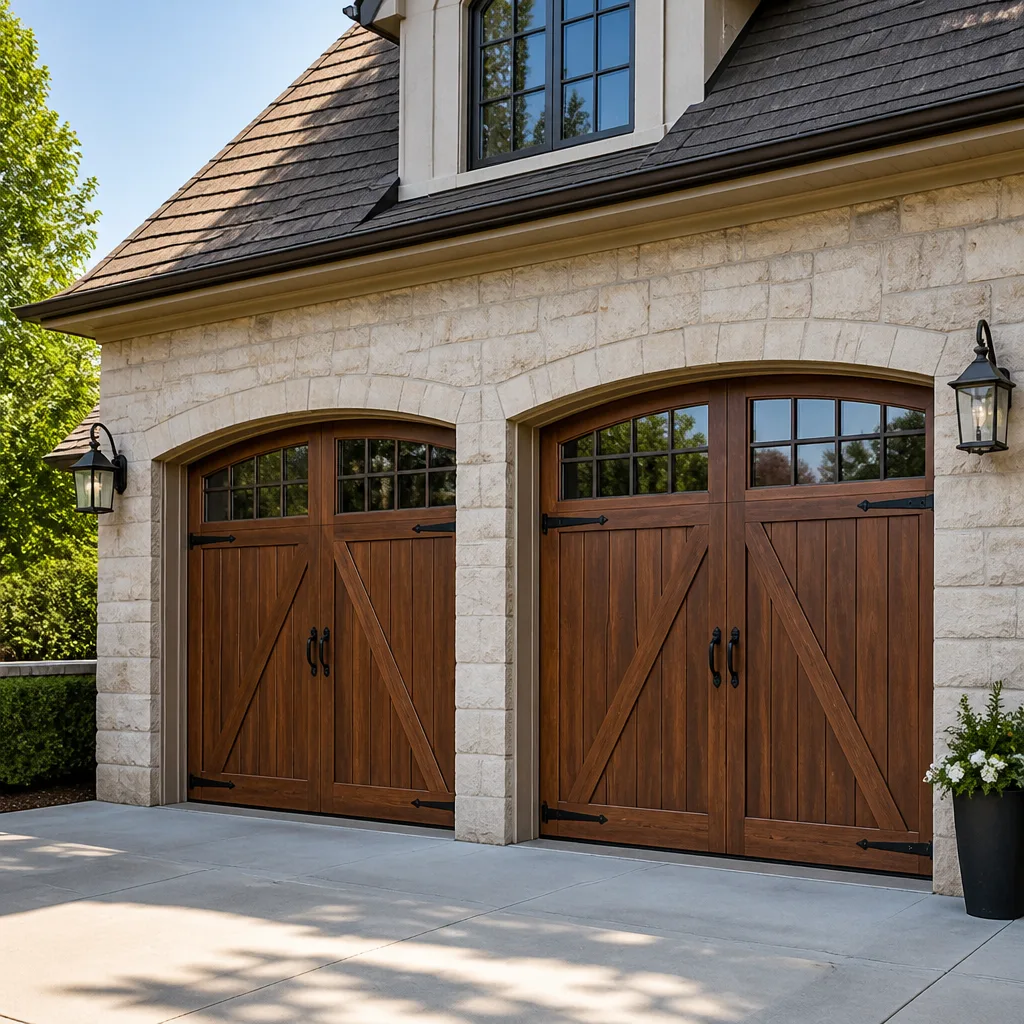 Carriage house
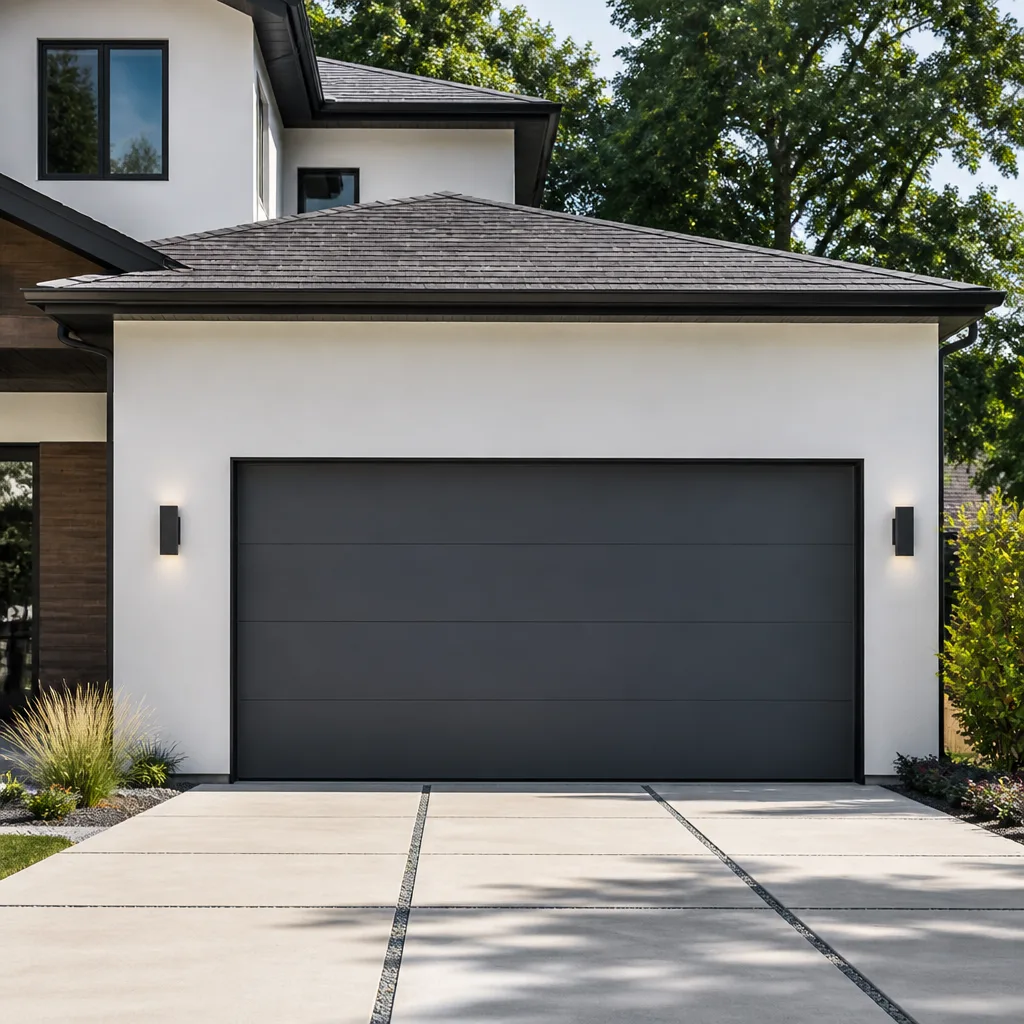 Modern flush
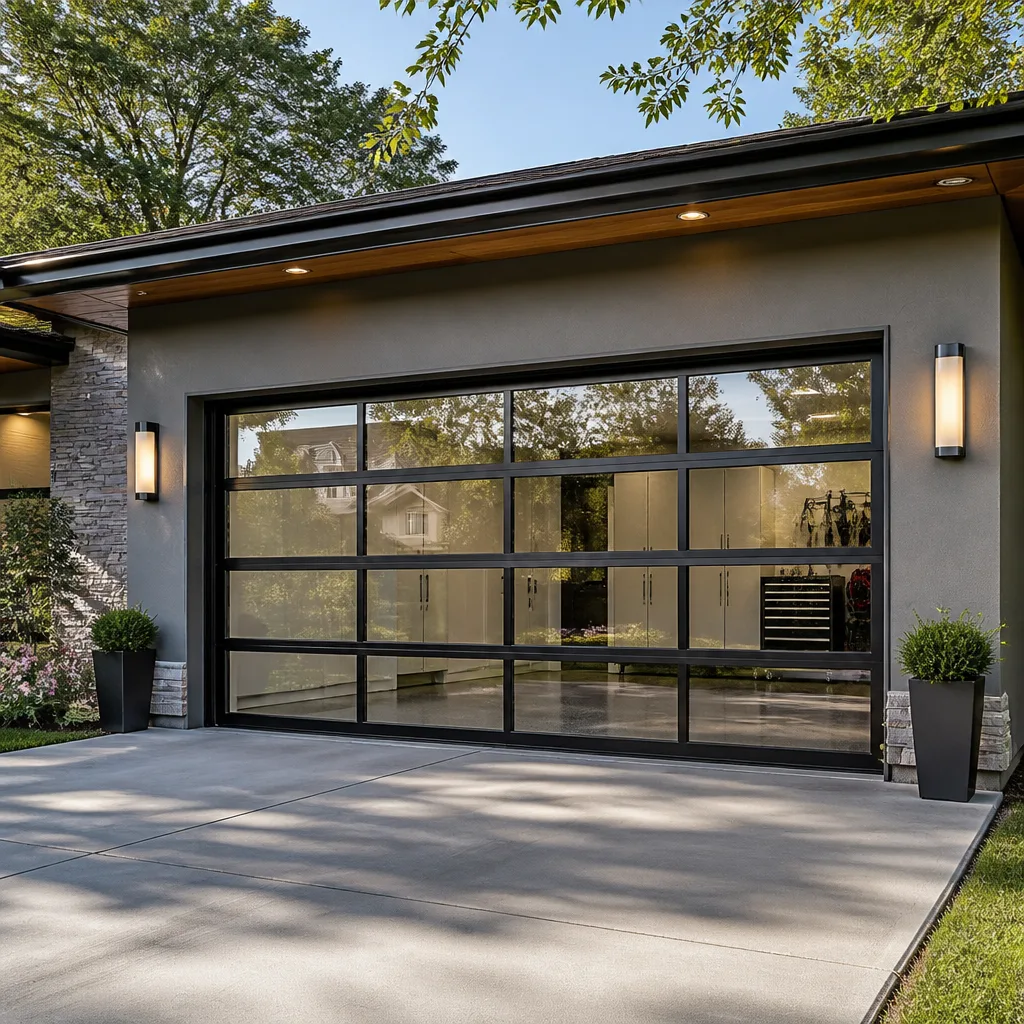 Full-view glass
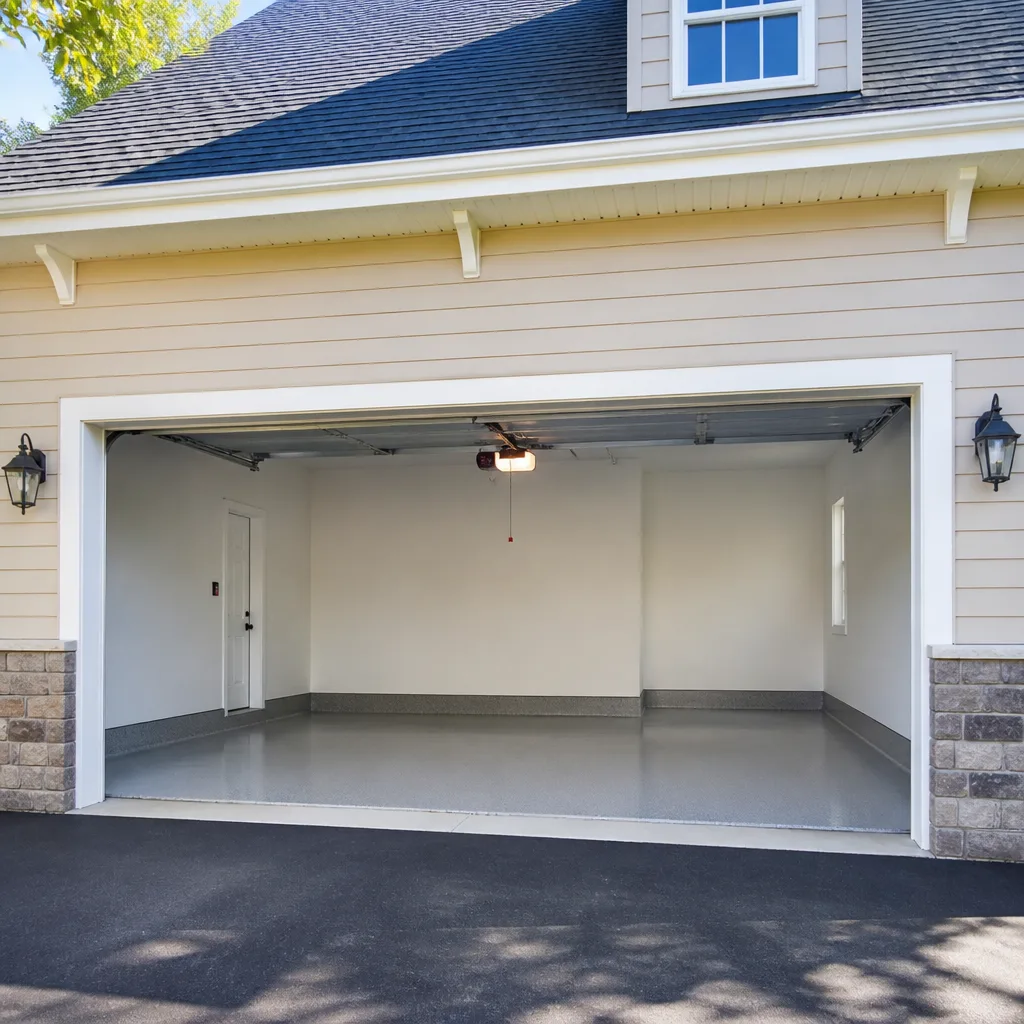 LiftMaster openers
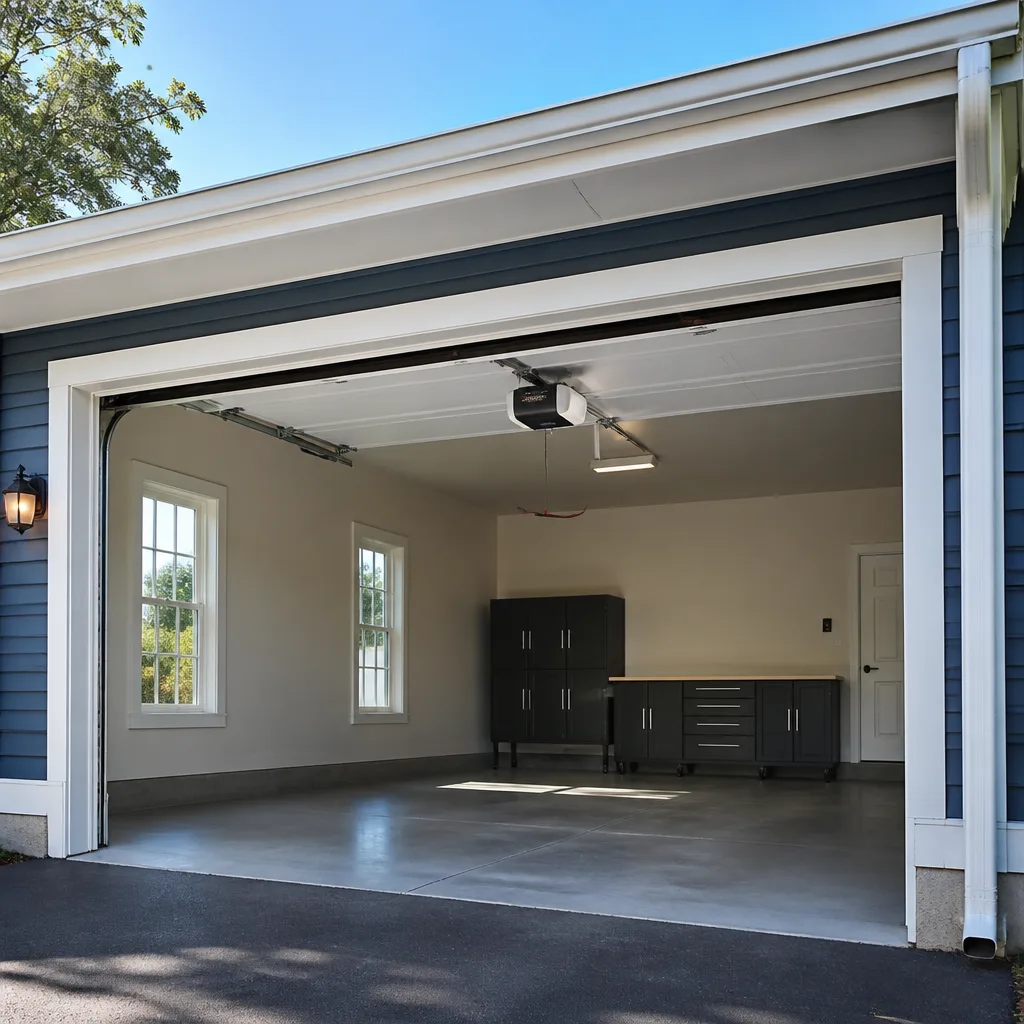 Chamberlain openers
Full 25-point door and opener safety check with every visit - springs, cables, rollers, tracks, and your LiftMaster or Chamberlain opener included
You get a price before we start. It does not change when the pro arrives.
Get your free estimateGarage Door Cost Breakdown: The Lakewood Homeowner’s Reference for 2026
Most garage door cost guides you’ll find online are built on national averages pulled from markets where labor is cheap and housing stock is newer. That makes them close to useless if you’re budgeting in Lakewood, where labor rates run higher than those national figures and where a lot of the housing stock is old enough to spring surprises behind the trim. This guide breaks the cost down the way it actually lands for a Lakewood homeowner: parts, labor, disposal, permits when they apply, and the opener priced separately instead of blended into one number nobody can verify. You’ll also see how steel, wood and composite hold up in Colorado’s freeze-thaw cycles, which projects tend to tempt homeowners into spending too little, and the information more often missing: the line items local estimates leave out. By the end you’ll know how to read an estimate and compare two of them fairly.
Quick Answer
A standard single-car garage door replacement in Lakewood typically runs $1,200 to $2,600 installed for a basic steel door, and $2,800 to $5,500 or more for a double-car door in a premium material or insulated model. Opener replacement is usually a separate line item, roughly $350 to $900 installed depending on the drive type and smart features. Spring repair runs $180 to $340 for one spring, and a matched pair is normally replaced together at about twice that. Every job is quoted in writing before any work starts, and a free estimate lets you compare line items instead of one blended total.
Styles & brands we work with
- Raised-panel steel
- Carriage house
- Modern flush
- Full-view glass
- LiftMaster openers
- Chamberlain openers
Table of Contents
- Why national averages miss the mark in Lakewood
- The line-item breakdown: parts, labor, disposal, permits
- How material choice changes your long-term cost in Lakewood’s climate
- Hidden costs: header boards, rough openings, old electrical
- What “free estimates” include, and how to compare them
- Repair or replace? A simple threshold to decide
- The opener is a separate budget line
- Common mistakes to avoid
- When to call a professional
- Frequently asked questions
Why national averages miss the mark in Lakewood
Cost guides from the big national sites pull their figures from a basket of markets across the country. Those numbers are real, but they’re an average of places with very different labor markets. In Lakewood, the cost of the crew that shows up, the cost of insuring a vehicle, the cost of running a small service shop, all run above the low-cost markets that drag the national average down. That gap is the one thing those guides never mention.
The result is a homeowner with a door that’s seen better days reading a $900 door figure and assuming a written quote near $1,900 is an upsell. It isn’t. It’s what a crew, a commercial insurance policy and a stocked parts supply cost in Jefferson County.
There’s a housing-stock factor too. Lakewood has neighborhoods with homes built across several decades: older blocks in Eiber and around the Belmar area, mid-century ranch stock in Morse Park and Green Mountain, and homes from the 1970s and 1980s in the western neighborhoods. Many of those have original rough openings, some have original wiring in the garage, and a lot of them have been hit by many hard freeze-thaw seasons. A door replacement on a 1962 ranch is not the same day as a door replacement on a 2005 build.
So instead of building a budget on a national number, build it on the line items that actually appear on a Lakewood estimate. That’s the next section.
- Labor costs more here. The crew that shows up in Lakewood is paid a Colorado rate.
- Housing stock varies block to block. An Eiber ranch and a Green Mountain split can need different prep work.
- Climate wants the right door, not the cheapest. A door that fails after a few Colorado winters costs more in the long run than one that doesn’t.
The line-item breakdown: parts, labor, disposal, permits
A garage door estimate that gives you a single number is impossible to compare with another one. A line-item estimate is the only kind that tells you what you’re actually paying for. Here’s what the line items usually look like in Lakewood, with typical ranges you can use to sanity-check what you’re quoted. Your written estimate sets the final price, and these ranges are for a standard residential job.
| Line item | Typical range (Lakewood) | What it covers |
|---|---|---|
| Door (panel set) | $600 – $3,500+ | Varies hugely by material, insulation, window inserts, and size |
| Hardware and track | $150 – $400 | Hinges, rollers, springs, cable, track for the new door if not included |
| Labor (removal + install + tune) | $350 – $800 | Removing the old door, installing new, balancing springs |
| Disposal of the old door | $50 – $200 | Hauling off the old panels; sometimes folded into labor, sometimes separate |
| Permit (if required) | varies; ask the city | Some jurisdictions require a permit for a door replacement, some don’t. Ask the Lakewood building department before booking. |
| Opener (optional) | $350 – $900 installed | Belt, chain or screw drive; smart features add to the top of that range |
A few things to notice about that table. The door itself is usually the biggest line. Labor is the second biggest, and it’s the line where Colorado rates are most visible. Disposal is often folded into labor, and a quote that doesn’t mention it either has it included or hasn’t thought it through. The permit question is genuinely local: some cities require one for a garage door replacement and some don’t, and the answer has changed over time. Ask the city building department directly rather than trusting a website, including this one. And the opener should never be blended into the door price, because the two fail for different reasons and are replaced on different schedules.
The full picture for a single-car steel door install in Lakewood usually lands in the $1,200 to $2,600 range. A double-car door in a premium material can run to $5,500 and beyond. Those are the numbers you should see reflected in a written quote, line by line.
If the estimate you’re reading is for a repair rather than a replacement, the line items are simpler. For most repairs, we work from that garage door repair breakdown, which separates the service call, parts and labor.
How material choice changes your long-term cost in Lakewood’s climate
Material choice is the single biggest lever on door cost, and it’s not just about purchase price. It’s about how the door handles Colorado’s freeze-thaw cycles, dry summers and strong afternoon sun. A cheaper door that fails in five years is more expensive than one that doesn’t.
Steel is the most common choice for good reason. A basic uninsulated steel door on a single-car garage is the low end of the range, and an insulated steel door sits in the middle. Steel handles the temperature swings well and holds up to the sun. The trade-off is that dents show on lighter-gauge steel and a badly dented panel is usually replaced as a panel, not repaired.
Wood is beautiful and it’s also the most demanding in this climate. Wood doors move with the humidity and need refinishing more often here than in a milder climate. A wood door that isn’t kept up will crack, and once that happens the cost climbs. If you want wood, budget for refinishing as part of the total cost, not an afterthought.
Composite and steel-backed composite doors sit in the middle. They take a finish well, they don’t move the way wood does, and they handle freeze-thaw without the refinishing schedule. They usually cost more than basic steel and less than a custom wood door, and for a lot of Lakewood homes they’re the practical sweet spot.
Insulation matters for a different reason. An insulated door doesn’t just keep the garage warmer; it makes the door heavier, and a heavier door puts more stress on the springs and opener. A tech balancing a heavy insulated door is doing different work than one balancing a hollow steel door, and that’s part of what your labor line is paying for.
- Basic steel (uninsulated): lowest purchase cost, good in the climate, replace-a-panel maintenance.
- Insulated steel: mid-range cost, quieter, better temperature control, needs correctly rated springs.
- Wood: highest ongoing cost because of refinishing, beautiful, wants a homeowner who’ll keep up with it.
- Composite or steel-backed composite: mid to upper-mid cost, good climate behavior, less upkeep than wood.
Our take after doing this in Lakewood for a lot of years: for most homes, an insulated steel door in a color that isn’t going to bake in the sun is the correct balance of cost and lifespan. Our technicians have up to 14 years of experience, and the story doesn’t change much by brand.
Hidden costs: header boards, rough openings, old electrical
The estimate you get before anyone looks at the door is a guess. The estimate you should trust is the one written after someone’s looked at the framing behind the trim, the plumb of the opening and the electrical in the garage. Those three things account for most of the cost surprises homeowners describe.
Damaged header boards. The header is the beam above the opening that carries the load. On a Lakewood home that’s been through a lot of freeze-thaw, a header can be soft, out of plum or have been compromised by water getting behind the trim. Replacing or sistering a header is carpentry work above a door install, and it’s usually an extra line item. Any estimate that doesn’t mention what happens if the header needs work isn’t complete.
Out-of-plumb rough openings. The rough opening is the framed hole the door fits into. On older homes, especially ranch stock in the older Lakewood neighborhoods, the opening can be out of plumb by enough that the new door won’t track properly without shimming or correction. Corrections are real labor. A tech who ignores it will hand you a door that drags after a few months.
Outdated electrical. If your opener is going to be replaced along with the door, the tech needs a working outlet near the opener and the right circuit. Old garages sometimes have one outlet, sometimes have an outlet on a circuit that trips, and occasionally have wiring that needs attention from an electrician before a new opener goes in. That’s not garage door work, and a good estimate will flag it so the day doesn’t get derailed.
- Have the tech inspect the header before quoting. Ask specifically whether the header and trim are sound.
- Ask whether the opening is plumb. If it isn’t, ask what correcting it costs and whether it’s included.
- Confirm the opener has power. Check that the outlet is live and the circuit holds before the install day.
- Get any found-issue work priced separately, in writing. No verbal surprise later.
If you’ve got an opener on an old Craftsman that’s been limping along, the electrical question is worth sorting early, before you’re standing in the garage on install day. More on the opener below.
What “free estimates” include, and how to compare them
“Free estimate” means different things in Lakewood depending on who’s saying it. For some companies it means a phone conversation with a range. For others it means a physical visit, measurements and a written quote. For a replacement, only the second is useful. A phone estimate for a new door is a guess dressed up as a number.
A good free estimate for a door replacement should include: measurements of the opening, a look at the header and trim, a look at the opener if it’s being replaced, a written quote with the door model and brand named, labor and disposal listed as separate lines, a stated policy on what happens if hidden damage is found, and a stated policy on permit responsibility. If any of those is missing, ask for it.
Two estimates are only comparable when they cover the same scope. If one includes a new opener and one doesn’t, they’re not comparable. If one includes disposal and one doesn’t, they’re not comparable. If one names a LiftMaster opener and one says “opener included,” they’re not comparable. The only way to compare is to sit down and tick off each line item against the other.
- Line-item all the way down. Door, hardware, labor, disposal, permit, opener, tax. Nothing blended.
- Brand and model must be named. “A steel door” is not a model.
- Hidden-work policy in writing. What happens if the header needs work or the opening needs correction?
- Permit and inspection spelled out. Who pulls the permit, if one is required by the city.
- Warranty stated plainly. What’s covered, for how long, on parts and on labor.
- Price locked before work starts. Ask directly: is the price I’m seeing the price I’m paying, absent found issues we agreed on?
For a repair, the answer is simpler. A good repair estimate is a written diagnosis and a written price. It’s the same standard: nothing starts until you’ve seen it in writing. For a replacement, our process is a free measure and a written price, not a same-day promise, because material has to be ordered and the job scheduled around it.
The parts list behind any of this matters. If a company has to order the door and the opener and the hardware, you’re looking at weeks. If the brands you need are stocked and common, you’re looking at a shorter window. We work on the brands homeowners already own, from Wayne Dalton and Raynor to garage door opener repair work on the modern LiftMaster units and the legacy Craftsman openers still running in a lot of Lakewood garages.
Repair or replace? A simple threshold to decide
The rough rule most experienced techs use is the 50% threshold: if the cost of the needed repair crosses roughly half the cost of a new door, replacement usually makes more financial sense. But the threshold needs a second test alongside it, because the age and condition of the door matter as much as the dollar figure.
Here’s how to think about it with a simple framework, using the ranges from this guide as the inputs.
- Add up every repair the door needs right now. Not just the one that made you call. Check the springs, rollers, cables, hinges and panel condition.
- Compare that total to half the install cost of a comparable new door. If the repair total is under half, repair usually wins.
- Add in the expected repairs over the next two to three years. A door on its last legs will usually need more than one thing. If the future-repair estimate crosses the 50% line too, replace.
- Check the door’s structural condition. Rusted-through panels, sagging or bent track, or a door that’s been hit by a car and can’t be brought back into alignment are all replace signs, regardless of the math.
- Check for openers on a separate clock. If the opener is also old and near end-of-life, factor both into the decision. A door and opener replaced together is usually cheaper than two separate jobs.
An example makes it concrete. A single-car insulated steel door install in Lakewood is typically in the $1,200 to $2,600 range. Half of that is roughly $600 to $1,300. If the springs are both broken, the rollers are shot and a panel is cracked, that’s probably over the line, and a new door is the smarter spend. If the door just needs a pair of springs replaced, that’s usually well under, and repair wins.
Springs are the most common trigger for this call. A spring repair is typically $180 to $340 for one spring, and a pair is usually replaced together at about twice that. That math almost never crosses the replacement threshold on its own, even if the door is old.
One safety note before you get near the hardware. Springs are under serious tension, and a garage door system uses them to lift hundreds of pounds of door. Adjusting or replacing them by hand is a job for a trained technician, full stop. Cable, track and roller work is similar, less because of stored energy and more because an unloaded door can swing or drop without warning. New door installation belongs to a pro for the same reason.
When replacement is the right call, the practical move is to have the door and opener planned together. That’s where garage door installation work usually starts, with a measure and a written quote, then a scheduled date once the material is ordered and the opener choice is settled.
The opener is a separate budget line
Homeowners often treat the opener as part of the door. It isn’t, and a quote that bundles it hides a decision you might want to make separately. An opener is a separate mechanical system with its own cost, its own lifespan and its own repair path.
Replacing an opener in Lakewood typically runs $350 to $900 installed, depending on the drive type and features. Belt-drive openers are quieter and cost a bit more. Chain-drive openers are louder and cost a bit less, and hold up well in a garage where quiet isn’t the priority. Screw-drive openers are a middle option. Smart features such as Wi-Fi and app control push toward the top of the range. For a double-car door, a heavier opener and heavier springs both come into play.
The opener conversation is also a brand conversation. A lot of Lakewood homes have a Craftsman opener that was installed decades ago and has earned its retirement. Replacing it is a chance to move to a LiftMaster or Chamberlain platform with Wi-Fi control. If you’re not sure what you have, that’s fine. We work on the brand you already own, and we’ll tell you what’s under the hood.
Don’t replace an opener just because it’s old. A well-maintained opener that’s been serviced and isn’t showing symptoms can last a long time. The signs to replace: a motor that’s running hot, a remote range that keeps dropping, an opener that reverses randomly, or a professional diagnosis saying the motor or control board is failing. The signs to repair: a sensor out of alignment, a belt or chain that needs tensioning, a remote that needs reprogramming. Those are usually quick, low-cost jobs.
- Chain drive: lowest cost, loudest, durable.
- Belt drive: mid to upper cost, quiet, good for bedrooms above the garage.
- Screw drive: middle cost, low maintenance, good for occasional-use doors.
- Smart/Wi-Fi: adds to the top of the range; worth it if you want app control.
When to call a professional
If a spring is broken, a cable is frayed, the door is off its track, or the door won’t open or close fully, call a pro before you touch it. Springs and cables are the parts where homeowners get hurt, and a home fix on a door that’s come off its track can bend the track beyond repair. If the opener reverses randomly or the door closes unevenly, that’s a call too, because both point to a balance or sensor issue that gets worse. If you’re weighing repair against replacement and can’t decide, a professional diagnosis is the cheapest thing on the list, and it’s free. Garage Door Repair Lakewood Pros offers free estimates in Lakewood. Call (833) 968-4997 and we’ll come out, look at the door and the opener, and give you a written quote with the line items spelled out. You decide from there. We work on the eight brands you’re most likely to own, from LiftMaster and Chamberlain to Genie, Clopay, Amarr, Wayne Dalton, Craftsman and Raynor. Garage doors are the only thing we do, and we’ll tell you the honest answer even when the honest answer is “you don’t need a new door.”
Common mistakes to avoid
- Budgeting from a national average instead of a written quote. The number you see on a national cost guide is a national average across low and high cost markets. Lakewood sits on the higher side of that average. Build your budget from a written quote, not from a website.
- Accepting a blended estimate. A single total for door, labor, disposal and opener hides what you’re paying for. Ask for line items. A quote that can’t itemize isn’t ready to be compared.
- Assuming the opener is included. Lots of quotes treat the opener as an optional extra, and some hide it in a total. Ask explicitly whether an opener is included and, if so, which model.
- Choosing the cheapest material for the climate. A door that fails after a few Colorado winters costs more in the long run than a slightly better-insulated door. Match the material to the climate, not just to the day’s budget.
- Not asking about the header and rough opening. Hidden damage above the door is the single most common cost surprise in older Lakewood homes. Ask the estimator to check and to write down what they find.
- Skipping the permit question. Some jurisdictions require a permit for a door replacement and some don’t, and the answer has changed over time. Ask the Lakewood building department directly rather than assuming either way.
- Paying for a same-day install that can’t actually happen. A replacement is measured, ordered and scheduled. If someone promises same-day installation of a new door, they’re either using material they haven’t measured for your opening or they’re not being straight with you.
See the difference
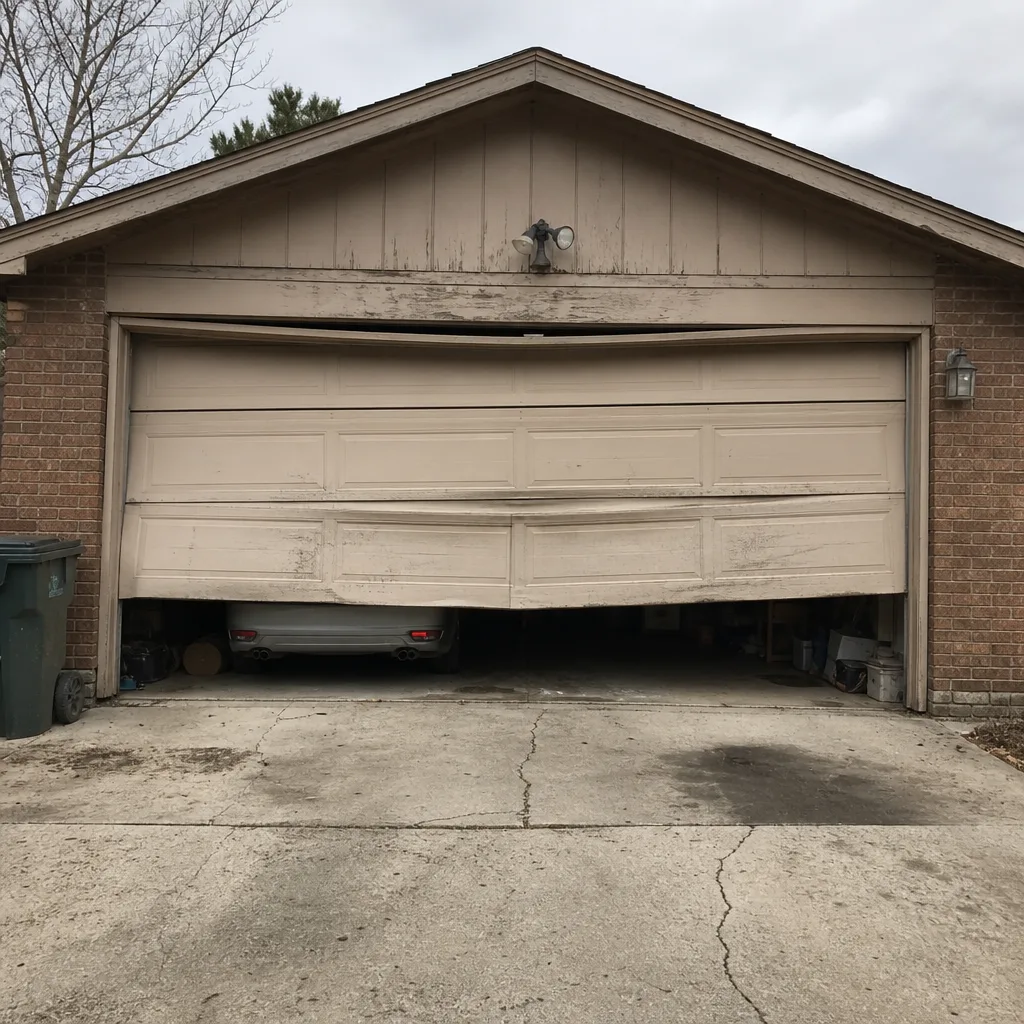 Before
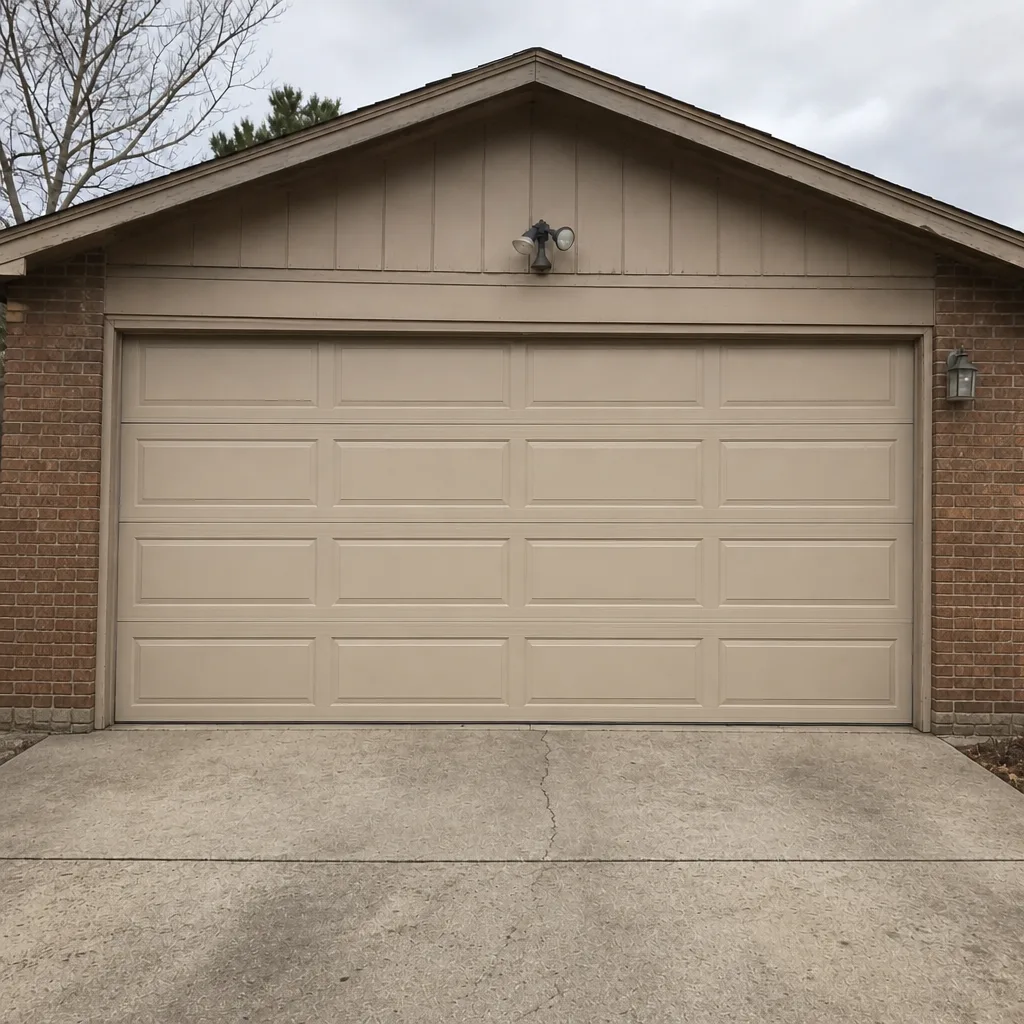 After
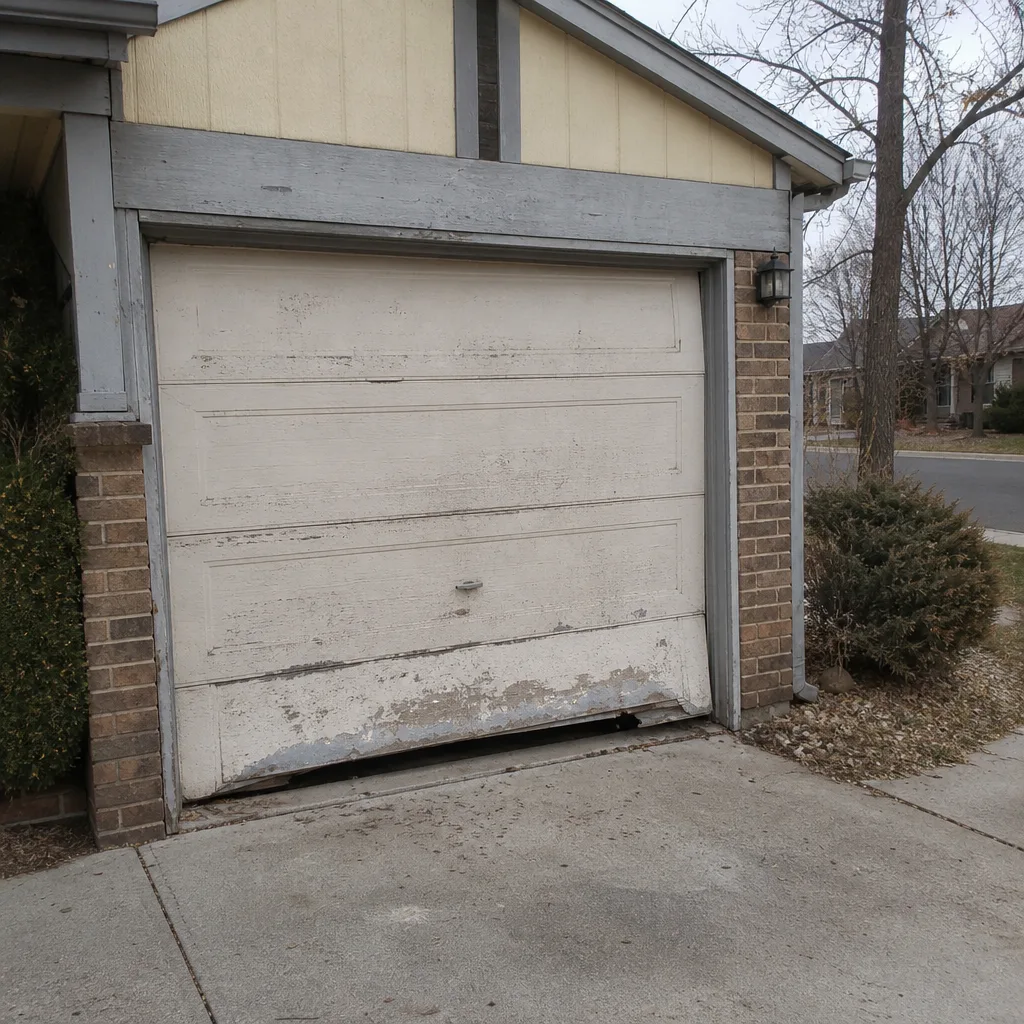 Before
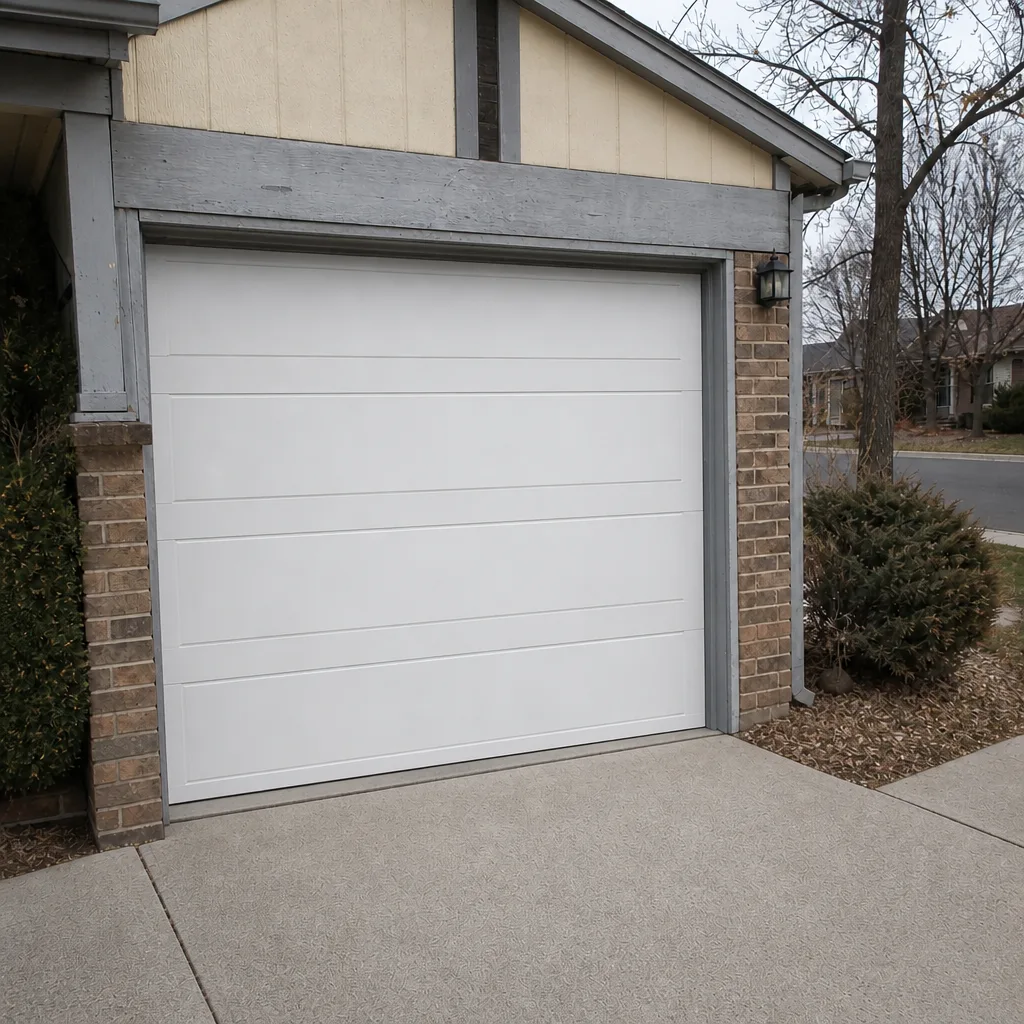 After
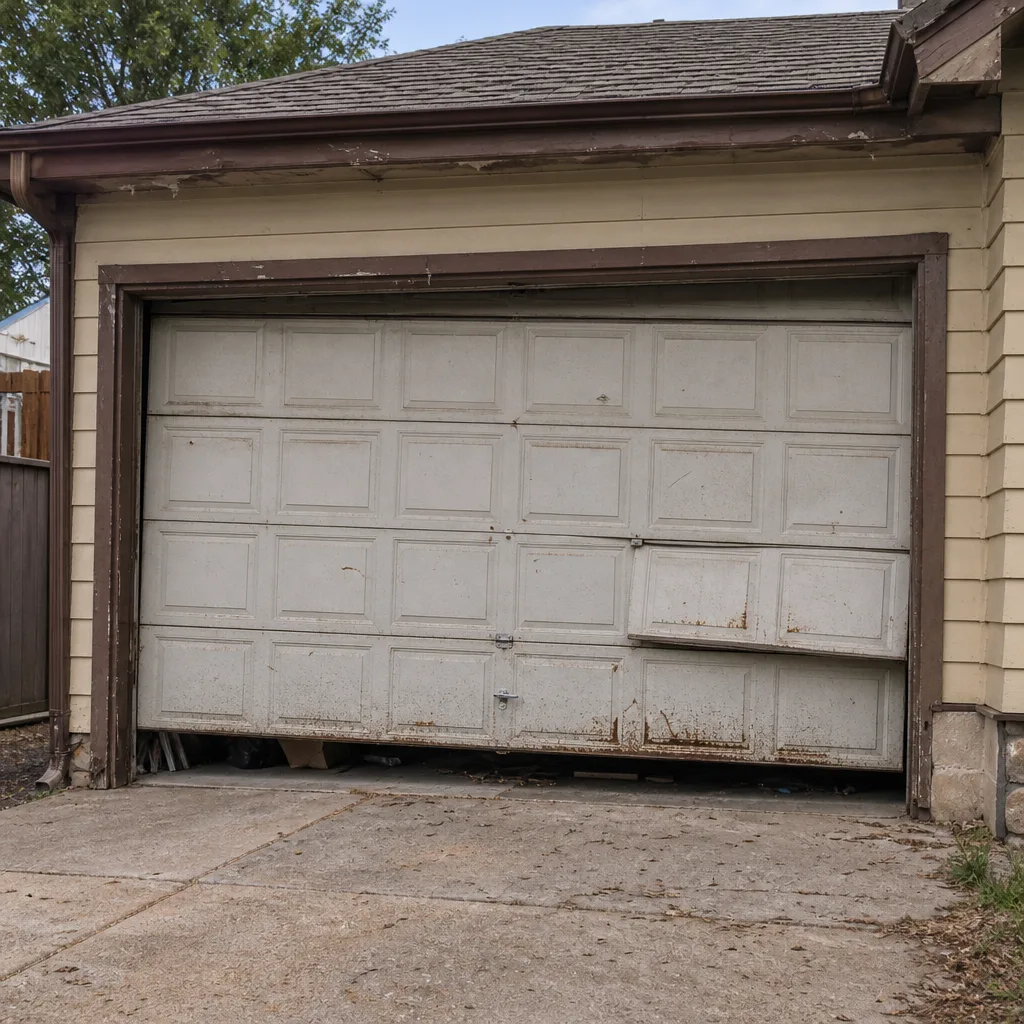 Before
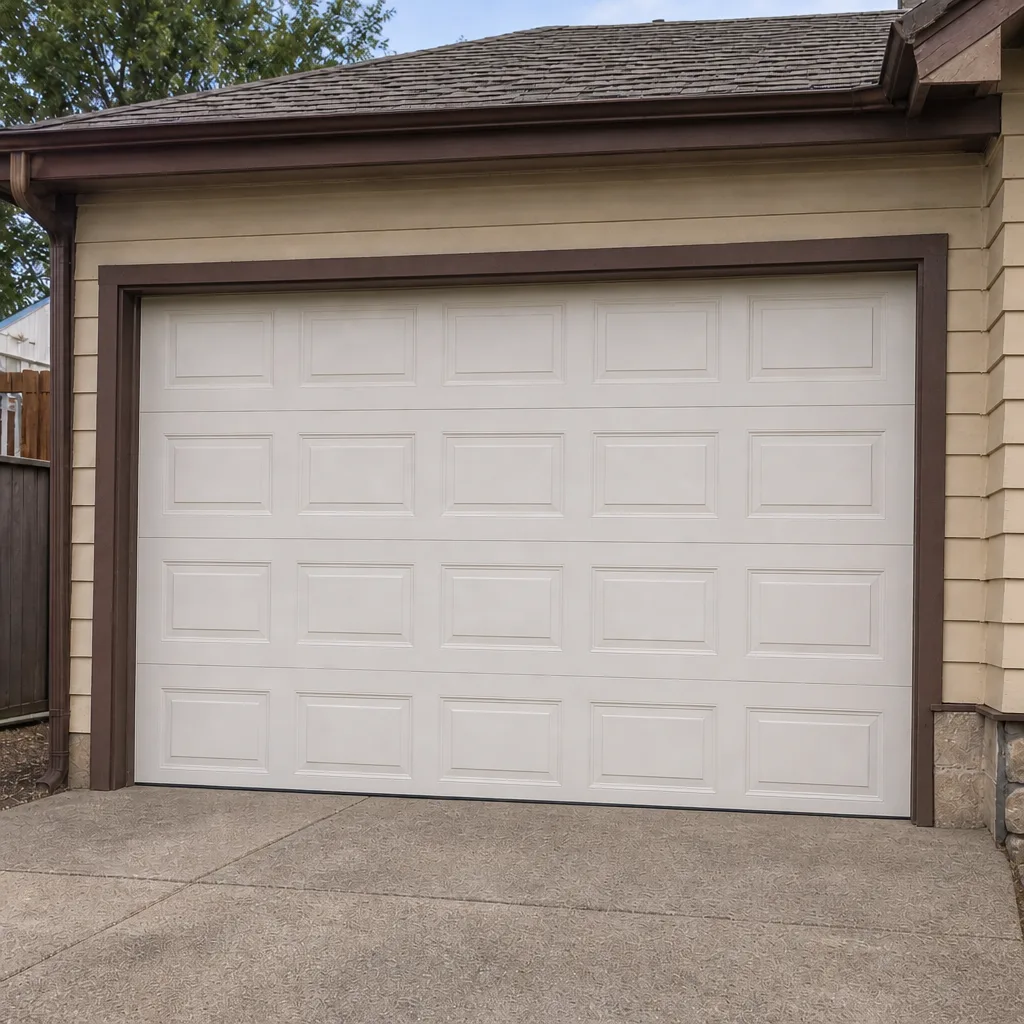 After
Frequently asked questions
A standard single-car door replacement in Lakewood typically costs $1,200 to $2,600 installed for a basic steel door, and $2,800 to $5,500 or more for a double-car door in a premium material or insulated model. The door, hardware, labor and disposal are usually quoted as separate lines, and an opener is priced separately if you’re replacing it too. Every quote is written before any work starts, and the written price is what you pay absent any hidden damage the estimate flagged. Call (833) 968-4997 for a free estimate.
Spring repair in Lakewood typically costs $180 to $340 for one spring, and a matched pair is usually replaced together at about twice that. A pair replacement is standard for a reason: springs are matched, and a pair of new springs alongside a used one tends to fail sooner and cost you twice. Springs are under serious tension, so this is a trained-technician job, not a homeowner one. Call (833) 968-4997 for a free estimate on your specific door.
For repairs, yes, in most cases. A broken spring or a door stuck off its track is a repair, and we can usually get to Lakewood same-day. For replacements, no. A new door has to be measured, ordered and scheduled, so the install date is set when the material is ordered. Call (833) 968-4997 and we’ll tell you which kind of job you have and get the right appointment booked.
Not for the work that’s on the written estimate. The estimate is quoted and agreed before any work starts, so the price you see is the price you pay for the scope described. The price can change in one situation: if hidden damage is found that the estimate flagged as possible, such as a damaged header or an out-of-plumb rough opening. When that happens, we stop and give you a written price for the extra work before we do any of it. Call (833) 968-4997 with any question about the quote you’ve received.
Yes. The local professional we connect you with is licensed and insured as their state requires, and they carry the coverage homeowners expect. Our technicians have up to 14 years of experience, and they work on the brand you already own, from LiftMaster and Chamberlain to Wayne Dalton and Raynor. Call (833) 968-4997 to talk through your job or for a free estimate.
It depends on the jurisdiction and the scope of work, and the answer has changed over time. The reliable move is to ask the Lakewood building department directly before the job is scheduled. Some replacements don’t require a permit and some do, and the installed cost you’re quoted should state clearly whether permit responsibility is included or excluded. If you’re not sure how to ask, give us a call at (833) 968-4997 and we’ll walk you through what to check.
The Bottom Line
Garage door cost in Lakewood in 2026 comes down to a handful of line items, not one national average. A basic single-car door replacement lands in the $1,200 to $2,600 range installed. A double-car door in premium material can run to $5,500 and beyond. An opener is a separate $350 to $900 installed, depending on the drive. A spring repair is $180 to $340 for one spring and about twice that for a matched pair. Everything else, from the material choice to the hidden header and rough-opening work, is a conversation your written quote should reflect line by line. The only way to compare two quotes is to line-item them against each other, and the only way to trust a total is to have it written before any work starts.
If you’re ready to see real numbers for your door, give us a call. Garage Door Repair Lakewood Pros offers free estimates in Lakewood. Call (833) 968-4997, and we’ll come out, measure the opening, look at the opener if it’s in scope, and put the quote in writing with the line items spelled out. You can also start with a look at Garage Door Repair Lakewood Pros for what the full service set looks like. We work on the brand you already own and we’ll give you a straight answer, even when the straight answer is “you don’t need a new one.”
Written by the team at Garage Door Repair Lakewood Pros.