Last updated November 21, 2026
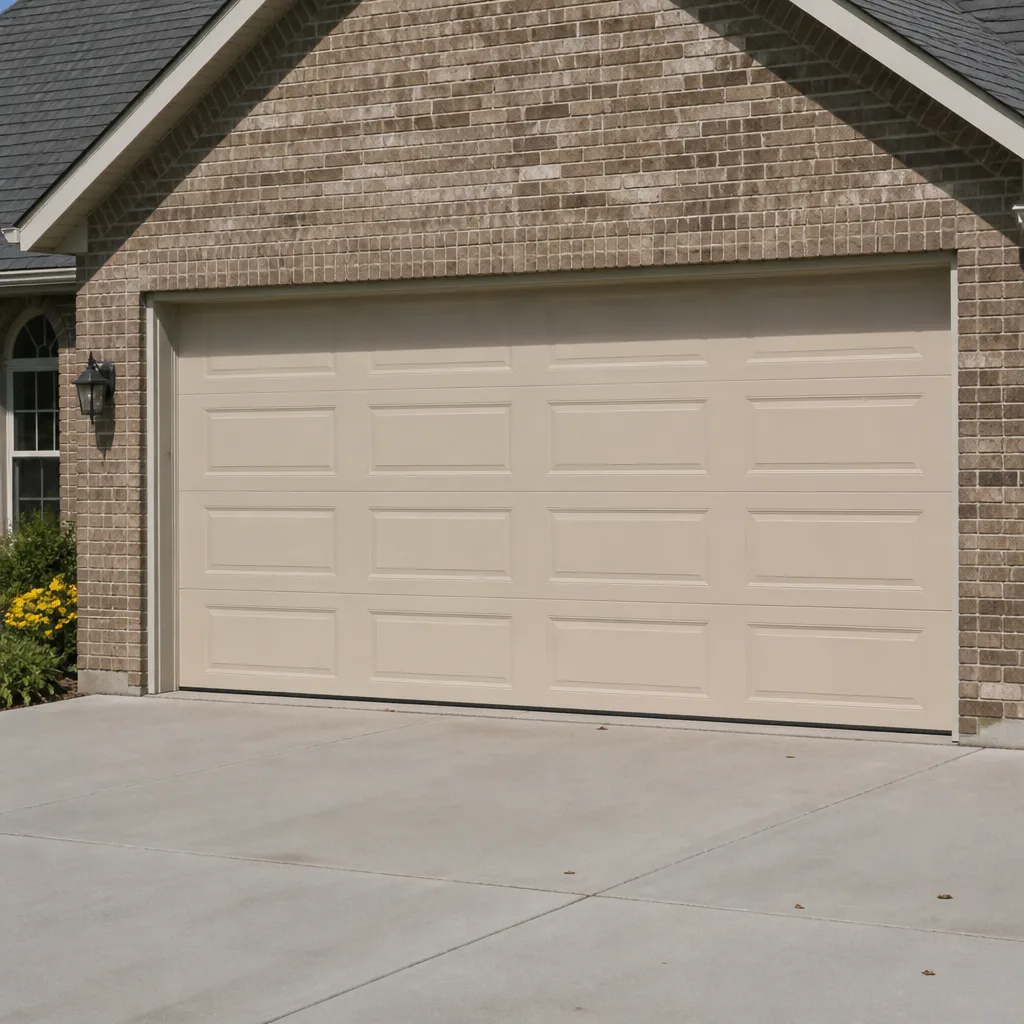 Raised-panel steel
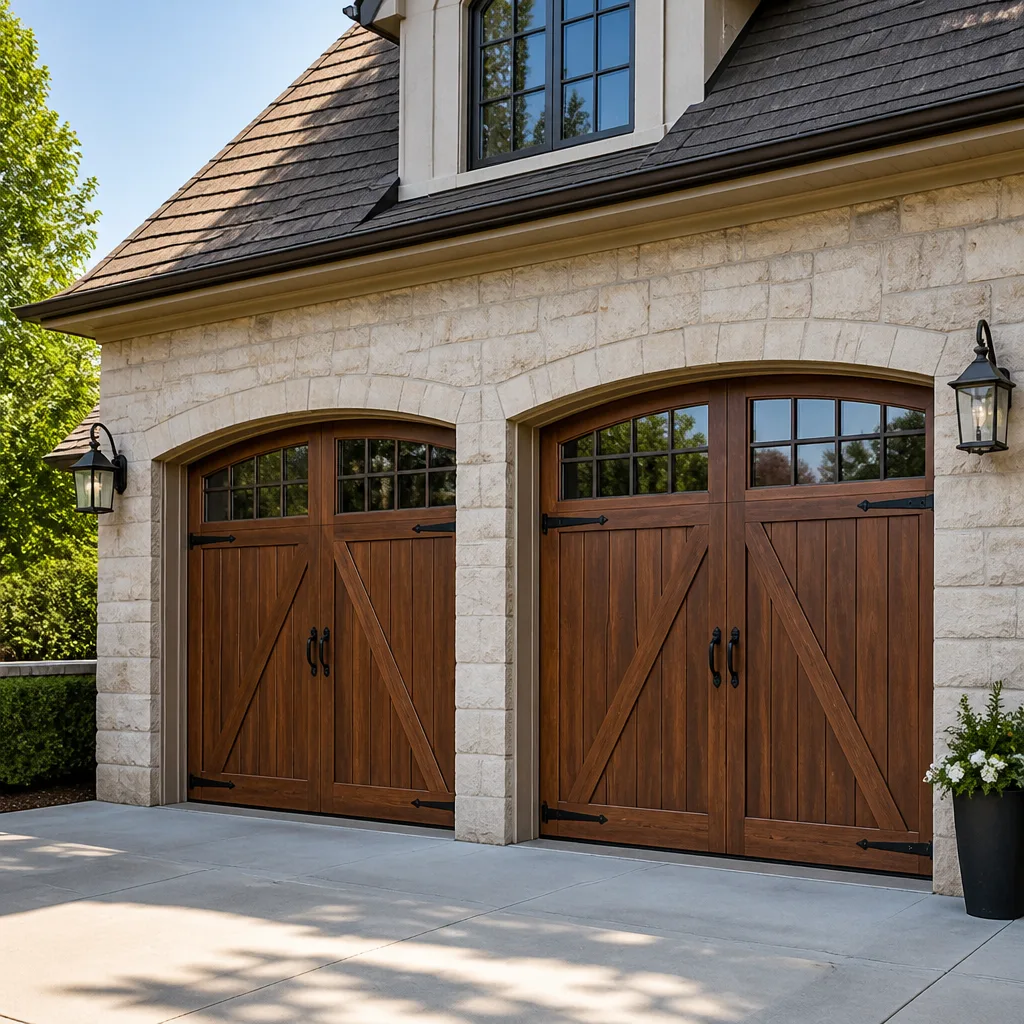 Carriage house
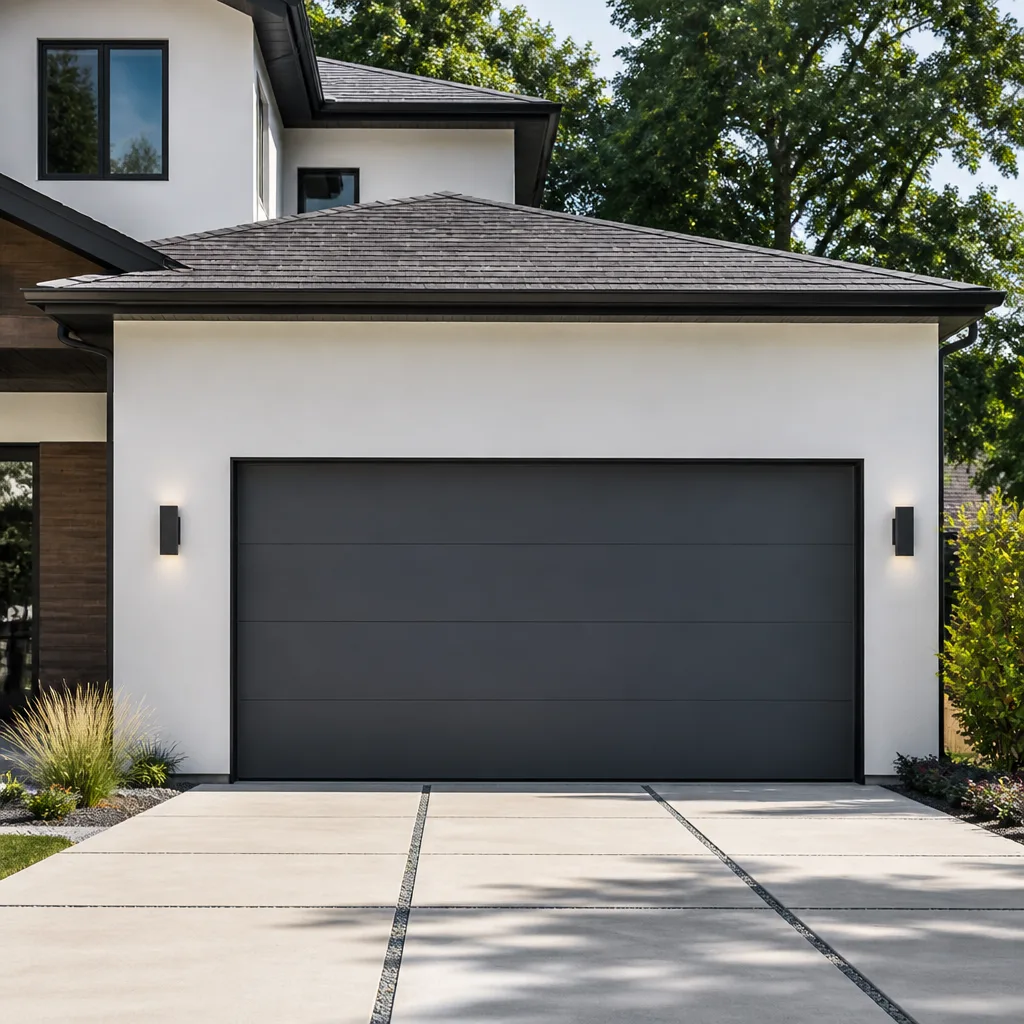 Modern flush
 Full-view glass
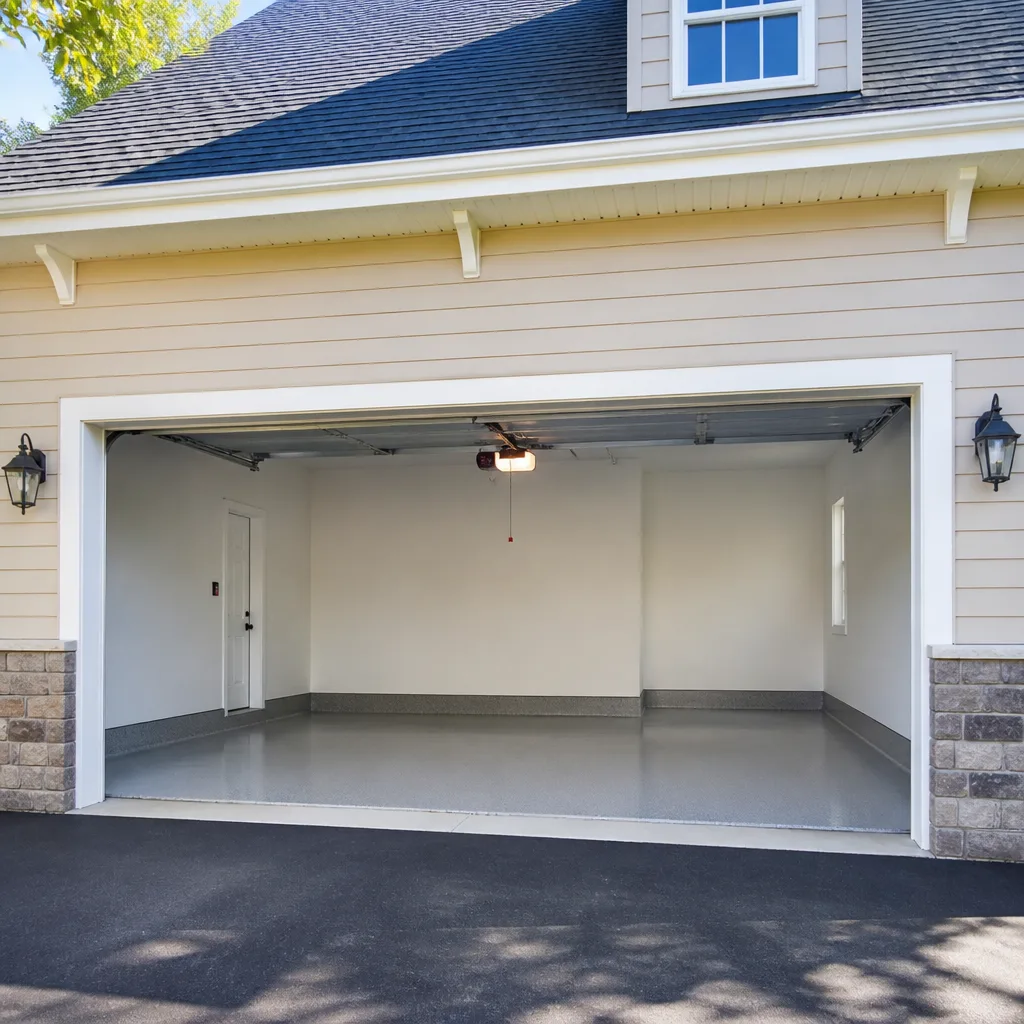 LiftMaster openers
 Chamberlain openers
Full 25-point door and opener safety check with every visit - springs, cables, rollers, tracks, and your LiftMaster or Chamberlain opener included
You get a price before we start. It does not change when the pro arrives.
Get your free estimateGarage Door Emergency Preparedness Guide for Lakewood Homes
Most Lakewood households have a plan for a power outage. Flashlights, blankets, a charged phone. But very few have thought through what happens when the garage door itself is the emergency: a car trapped inside, a door stuck open overnight, or a snapped spring that pins the whole system in place with no way to raise it. The two problems usually arrive together. Front Range storms knock out power, and that is exactly when a door that relies on electricity becomes a locked wall between you and your car. This guide walks through each scenario one at a time, because the right move when a spring snaps is not the right move when the power dies. By the end you’ll know how to release your opener by hand, how to secure an open door safely, and what to have ready before you call anyone in Lakewood.
Quick Answer
When a garage door emergency hits, first decide which problem you actually have: a power failure (release the opener and lift the door by hand if it’s light enough), a stuck-open door (secure it with bracing and keep people clear), or a broken spring (leave the door down and call a technician). Never force a door that’s too heavy to lift, and never touch the springs or cables yourself. For a fast diagnosis in Lakewood, call (833) 968-4997 and have your door brand, opener model, and symptoms ready.
Styles & brands we work with
- Raised-panel steel
- Carriage house
- Modern flush
- Full-view glass
- LiftMaster openers
- Chamberlain openers
Table of Contents
- Why Garage Door Emergencies Catch Lakewood Homeowners Off Guard
- How to Release a Garage Door Opener by Hand
- When the Release Cord Is Disconnected or Out of Reach
- How to Secure a Door That’s Stuck Open
- When a Spring Snaps and the Door Won’t Lift
- Power Outage Prep for Front Range Storm Season
- What to Have Ready Before You Call a Technician
- Common Mistakes to Avoid
Why Garage Door Emergencies Catch Lakewood Homeowners Off Guard
The garage door is the one part of a Lakewood home that does two jobs at once: it’s the biggest moving object on the property, and it’s a main security barrier. That combination is why a failure feels bigger than it should. A door that won’t close leaves the house exposed. A door that won’t open traps the car. And the systems doing that work – the springs, cables, and opener – wear out quietly and fail suddenly.
Front Range weather adds pressure. Lakewood sits where storms roll fast off the foothills, and a heavy spring snow or a summer thunderstorm can drop power across a wide swath of the metro in minutes. When the grid goes down, every electric garage door in the neighborhood goes down with it. The difference between a mild inconvenience and a real problem comes down to whether the homeowner knows how their specific opener behaves when it has no power.
Older openers, and plenty of them are still running in Lakewood’s established neighborhoods, have no backup at all. Newer smart-ready models from Chamberlain and LiftMaster often include battery backup built in, but only if the battery still holds a charge. That’s not something you want to discover in the dark. Here’s the part worth internalizing: the failure mode is almost never dramatic. A spring fatigues cycle after cycle, then one morning it lets go with a bang. The cable jumps. The opener grinds. And then a door that worked yesterday is a two-hundred-pound panel you can’t budge with one hand.
Preparedness, then, is less about buying gadgets and more about knowing three things in advance: how to release your opener, which failures mean stop, and who to call. The rest of this guide covers each in order.
How to Release a Garage Door Opener by Hand
Every residential opener that pulls a door up by a center rail has a manual release. It’s the handle on the red or the labeled cord hanging from the trolley that rides the rail. Pull it, and the door disconnects from the opener so you can raise and lower it by hand. This works on classic chain-drive units from Craftsman and Genie as well as belt-drive and smart models.
The exact operation depends on your setup, but the sequence is the same across most brands. Follow it in this order:
- Make sure the door is fully closed before you pull. Releasing a door that’s partway up can let it slam down. If the door is already open, the springs have done their unloading and the door is easier to control.
- Stand clear and pull the release cord down and toward the door. The trolley should separate from the carriage with a light tug. If it won’t release, don’t pry it with a tool.
- Lift the door slowly with both hands on the bottom section. A properly balanced door opens with steady, even effort. If it feels extremely heavy or drops fast, stop: that’s a spring problem, and you’ll want to jump to the broken-spring section below.
- Reconnect when power returns. Raise the door by hand to meet the opener carriage, then press the wall control to cycle the opener. Most units re-engage automatically as the carriage travels past the trolley.
This is one of those skills worth practicing on a calm afternoon, not during a blackout. Open the door, pull the release, lower it by hand, then reconnect. Ten minutes now saves a lot of fumbling when it’s cold and dark. If the door is too stiff to lift, the balance is off, and that usually points to a spring that’s aging out. Our technicians have up to 14 years of experience explaining exactly this kind of hand-release procedure to Lakewood homeowners.
One caution: on openers older than a decade, the release cord can be frayed or the trolley spring rusted. If pulling the cord does nothing, treat that as a stop-understanding and call a professional rather than forcing it. A jammed trolley is not something to fix with a pry bar.
When the Release Cord Is Disconnected or Out of Reach
A release cord should hang about six feet off the floor. But cords get shortened, knotted, or zip-tied out of the way over the years, and some take shortcuts that leave them disconnected entirely. If the cord is missing, torn off, or hanging so high you can’t reach it without a ladder, you still have options – none of them require tools.
- Locate the trolley. The release handle is at the point where the door armature meets the rail, about midway along the track. On a LiftMaster or Chamberlain, you’ll see a metal lever assembly there.
- Use a stepstool, not a ladder, on solid ground. A folding stepstool keeps you off the tracks and avoids tipping. Never lean a ladder into a door that could move.
- Reach the lever and pull toward the door. On most units the lever trips with a firm pull – you’re releasing a spring-loaded catch, not unbolting anything.
- If you can’t reach it safely, stop. A door on a failed spring is heavy enough to injure you, and a fall from height is worse. Call the number and describe the situation.
There’s a second scenario worth covering: the cord is connected but the opener still runs and won’t let go. That happens when the trolley is jammed or the carriage pin has sheared. In that case, do not keep pressing the wall button hoping it clears. Cycling a jammed opener can burn out the motor or snap the center bracket. Treat it as a mechanical failure and leave it to a technician.
Lakewood homes built in the older neighborhoods often have low-clearance garages where the rail sits close to the ceiling header. In those tight spaces, the release cord gets pulled tight and tangled by stored items. If that’s your situation, clear the area before you attempt a release, and keep the cord free of hooks and hangers so the next person can actually grab it.
How to Secure a Door That’s Stuck Open
A door stuck open is a security problem before it’s a mechanical one. The house is exposed, and if the door is being held up by a failing spring, it could come down on its own. Securing it means making the opening safe to leave while you arrange service. Do this before you make the call.
- Clear the opening. Move cars, bikes, and anything parked in the doorway out of the way so no one is underneath if the door drops.
- Prop from below, not against the panels. A solid brace – a length of lumber, a sturdy step ladder, or two sawhorses – wedged under the bottom edge keeps the door from falling. Distribute the load and don’t rely on a single point.
- Disengage the opener. Pull the manual release so the motor isn’t trying to hold the door up. An opener is a moving device, not a brake.
- Brace the sides. If the door is up and off its normal balance, a couple of vertical braces on the inside of each panel edge stop it from racking sideways.
- Lock the door down and use a secondary security point. A door held open can’t be locked at the floor, so move valuables out of the garage and keep the interior door to the house locked.
Two things to avoid. Don’t drill into the panels or the track to strap a door shut; that damages the door and can void its warranty. And don’t tie a door down with rope or straps that run under tension and could snap. The goal is a quiet, temporary support, not a permanent repair.
North Lakewood and Eiber-area homes see a lot of wind funneling across open ground, and a garage door left open in a strong gust acts like a sail. If a storm front is coming and your door won’t close, call rather than wait – a door that gets caught by the wind while propped can come down hard. Our technicians in Lakewood have seen how quickly a simple stuck-open door becomes a broken-panel repair when a gust hits it.
When a Spring Snaps and the Door Won’t Lift
This is the one scenario where the right answer is often “don’t touch it.” The torsion spring above a door, or the extension springs running along the sides in older installs, hold hundreds of pounds of stored energy. A snapped spring doesn’t just stop working; it can leave the door dangerously unbalanced and unpredictable. Our technicians have up to 14 years of experience working with springs, and this is the repair we treat most carefully.
Here’s what to do when a spring lets go.
- Leave the door closed if you can. A door resting fully down is in the safest state. Don’t try to lift it unless every person is clear and you’ve confirmed it opens with light, even effort.
- Never touch the springs or the cables. The spring above the door and the cables at the sides are under tension. Both can cause serious injury, and neither is a homeowner fix. This is a job for a trained technician.
- Don’t run the opener. A motor trying to raise a door with a broken spring will strain the whole system and can bend the center bracket.
- Listen before you lift. If the door groans or feels like it’s fighting you past the first few inches, stop and back away. That’s your signal not to attempt movement.
When the door is truly too heavy to raise, that’s normal for a failed spring. It isn’t a sign the door itself is ruined. The opener should not be the one trying to lift it. For the best outcome, call a specialist, describe which spring broke (the one above the door or the ones along the side), and let them bring the right parts. Garage Door Repair Lakewood Pros performs garage door repair as a core service, and spring work is handled by trained technicians who follow the safe procedure for unloading that stored tension.
A word on cost: spring replacement is typically quoted by the job after the technician inspects your door and its setup. The written estimate sets the final price, and you agree to it before any work starts. We don’t give a phone number price here because a single spring failure and a full spring-and-cable rebuild are different jobs. The honest answer is: get it looked at, then get a written number.
Power Outage Prep for Front Range Storm Season
Lakewood outages don’t follow a neat schedule. A heavy wet snow in spring, a lightning strike on a feeder line in summer, a wind-tunnel gust in fall – each can take a block dark for hours. Since the garage is where the car and often the refrigerator live, having a plan matters more than having a gadget.
The single most useful upgrade is a battery backup on the opener. Many current models from Chamberlain and LiftMaster include one; on older openers it can sometimes be added as a kit. When power fails, the backup raises and lowers the door a set number of times before the battery drains. The case for it is simple: without one, every outage means manually releasing the door. The case against is that the battery is only useful if it still holds a charge, and a battery that’s sat unused for years may not have what it needs when the moment comes.
Test yours before you need it. Twice a year, trip the breaker that feeds the garage, then press the wall button and watch the door operate. If it hesitates, openers differ on where the battery sits, so check your manual or look up the model. While you’re at it, check the manual release cord and make sure the trolley moves freely. A ten-minute test twice a year will tell you whether the backup is alive.
For households with no backup, the plan is the manual release you practiced earlier. Keep a stepstool near the release and a flashlight on the wall. If your opener is a smart model, note that app control won’t work without power either – the phone is not a backup, the battery is.
What to Have Ready Before You Call a Technician
A clear, specific call gets you scheduled faster and gives the technician what they need to bring the right parts on the first visit. Have these ready before you dial:
- Door brand and model. Clopay, Amarr, and other brands have different spring and part sets. If the label is worn, describe the door’s look and size.
- Opener make and model. A Craftsman chain drive and a Genie belt drive need different diagnostics. Look on the back panel for the sticker.
- The exact symptom. “Won’t open” and “won’t close” and “opens partway then stops” are three different calls. Describe what happens and what you hear.
- Which way the door failed. Open, closed, or stuck partway up. If a spring is broken, whether it’s the one above the door or the side springs.
- Your address and access notes. Low-clearance garages, steep drives, or tight alleys all affect how the technician works. Mention anything unusual.
- Whether a car is trapped. If the door is blocking a vehicle you need to move, say so up front.
With that information, the call moves fast. If you’re not sure of the opener brand, a photo of the unit and a photo of the door label can be more useful than a guess. We can work with most brands you’re likely to have. For opener problems specifically, we handle garage door opener repair across the major brands, from classic Craftsman units to smart, wi-fi-enabled LiftMasters.
Common Mistakes to Avoid
- Forcing a door that won’t lift. If a door fights you past the first few inches, a spring or cable has failed. Pulling harder strains the panel and the track and can bring the door down.
- Touching the springs or cables. Those are under serious tension. A homeowner with a wrench has no way to safely release that energy, and injuries happen fast.
- Assuming a garage in Lakewood never needs winter prep. The metro’s storms can leave a door frozen to the floor after a melt-and-refreeze. A door sealed to the ground with ice will throw the opener out of balance when it’s forced.
- Running the opener to “try again.” Cycling a jammed or broken door overworks the motor and can snap the center bracket. Press once, listen, and stop.
- Leaving a door open overnight for convenience. In Lakewood’s established neighborhoods a door left up is a security gap, and an open door can catch a gust and come down on a breezy Front Range night.
- Skipping the manual release test. A cord that’s been disconnected or frayed for years is no help in a blackout. Test it before the storm, not during.
- Calling a general handyman for a spring or opener failure. A garage door is a system of springs, cables, and a motor working together, and it needs a specialist who works on them every day.
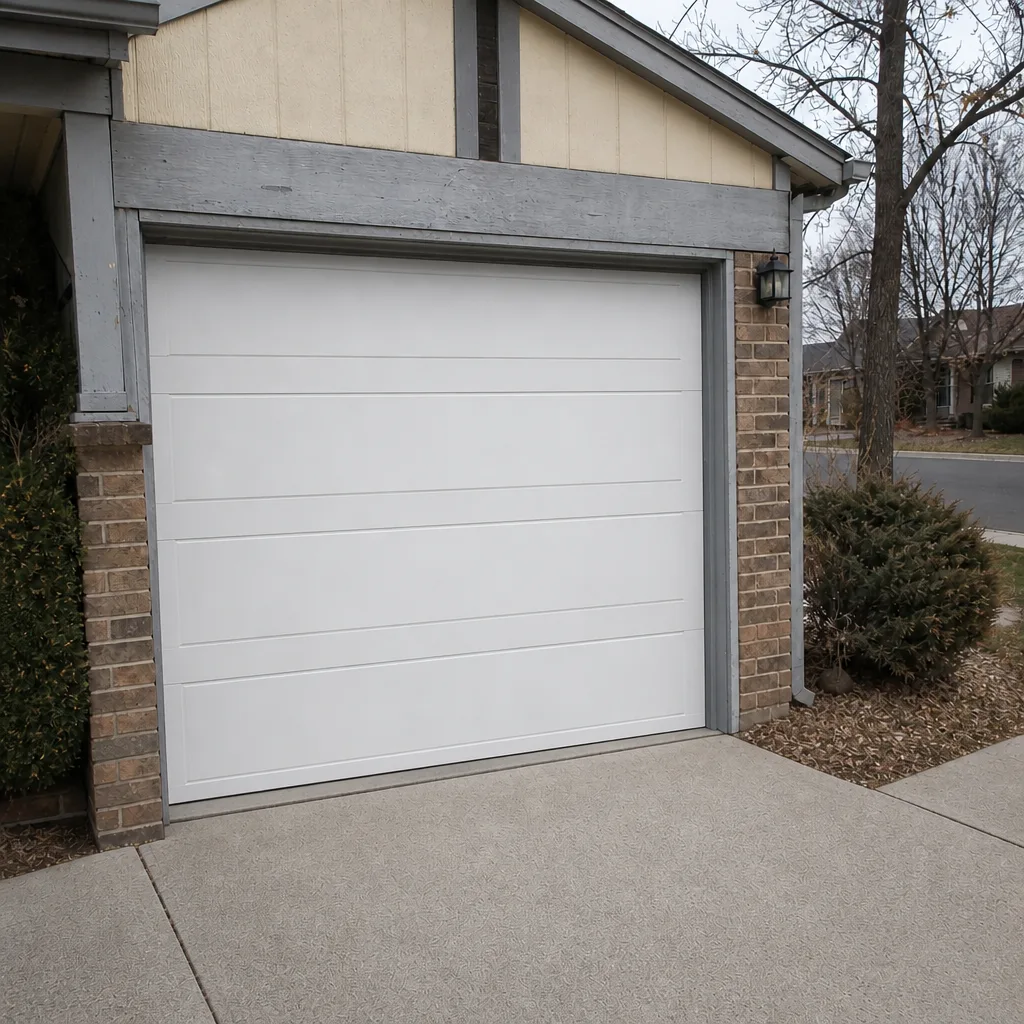
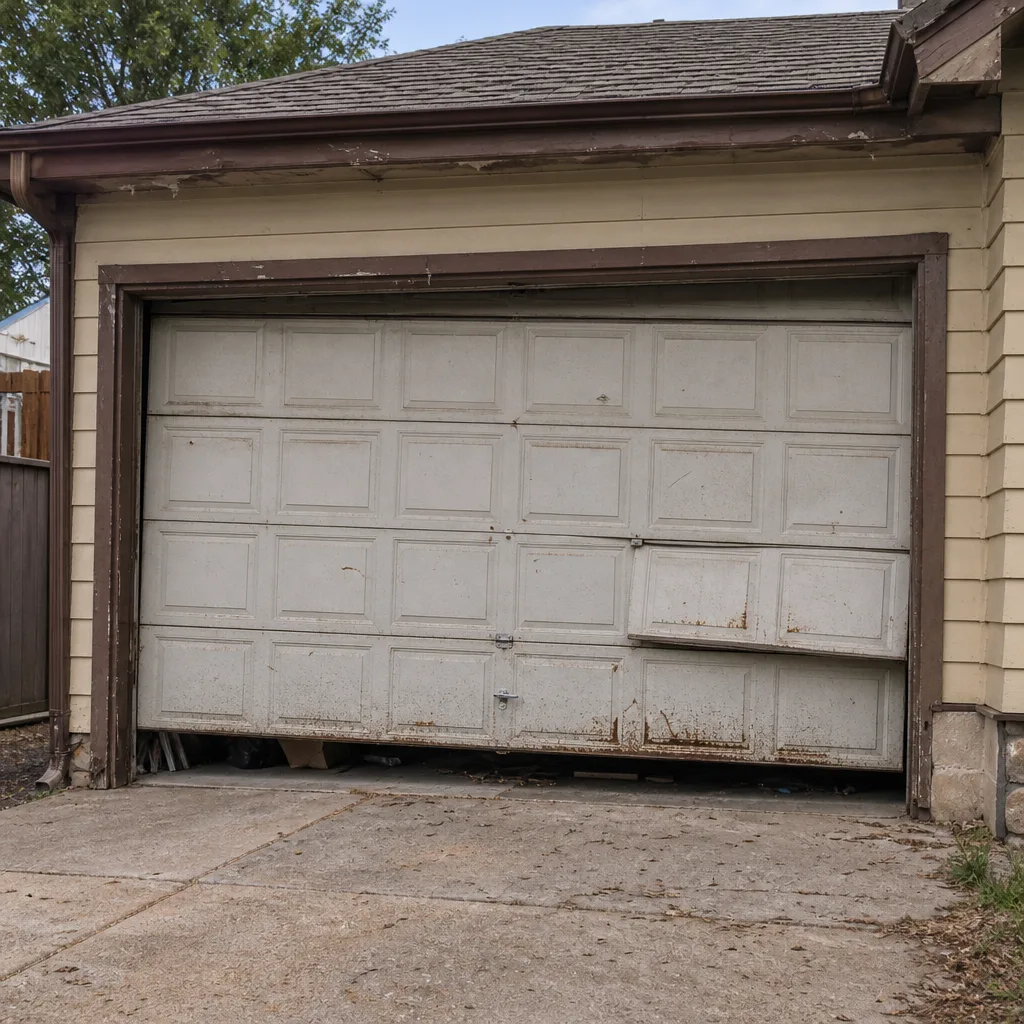
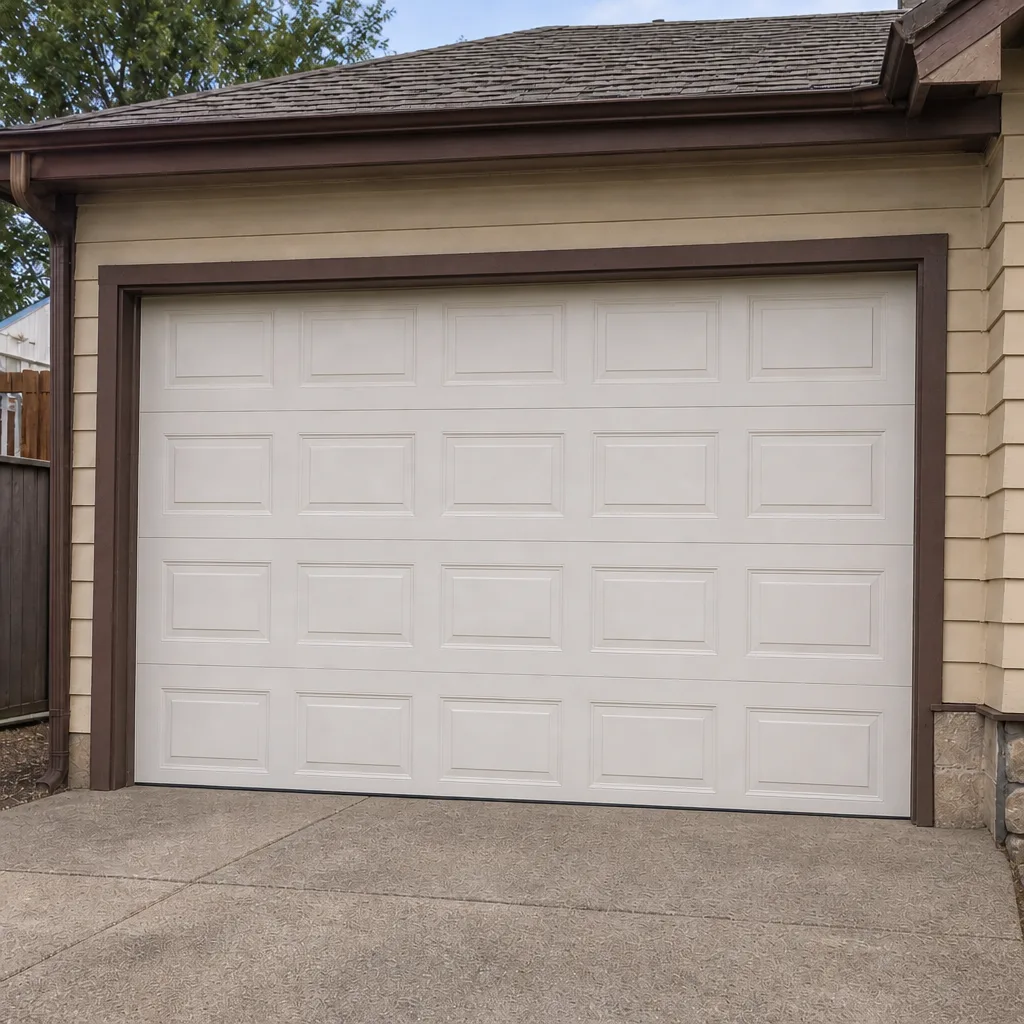
See the difference
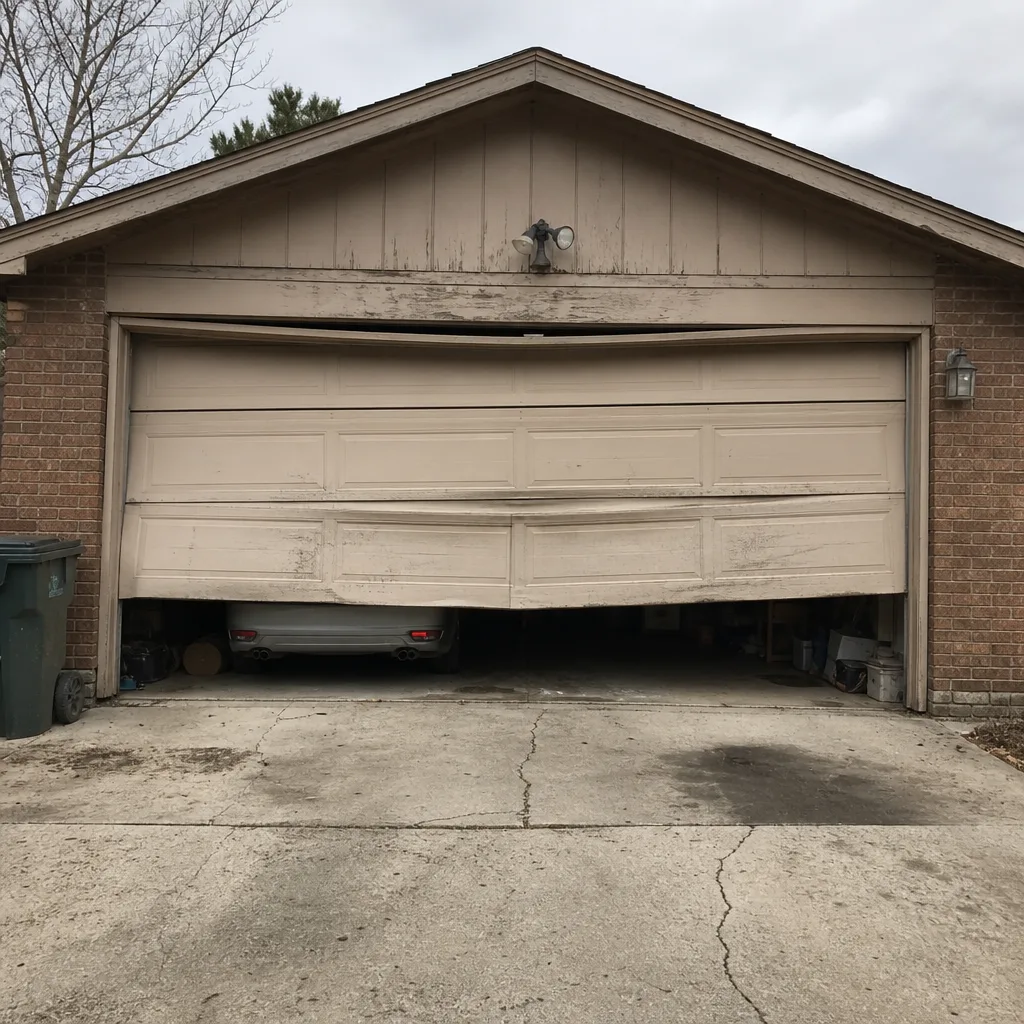 Before
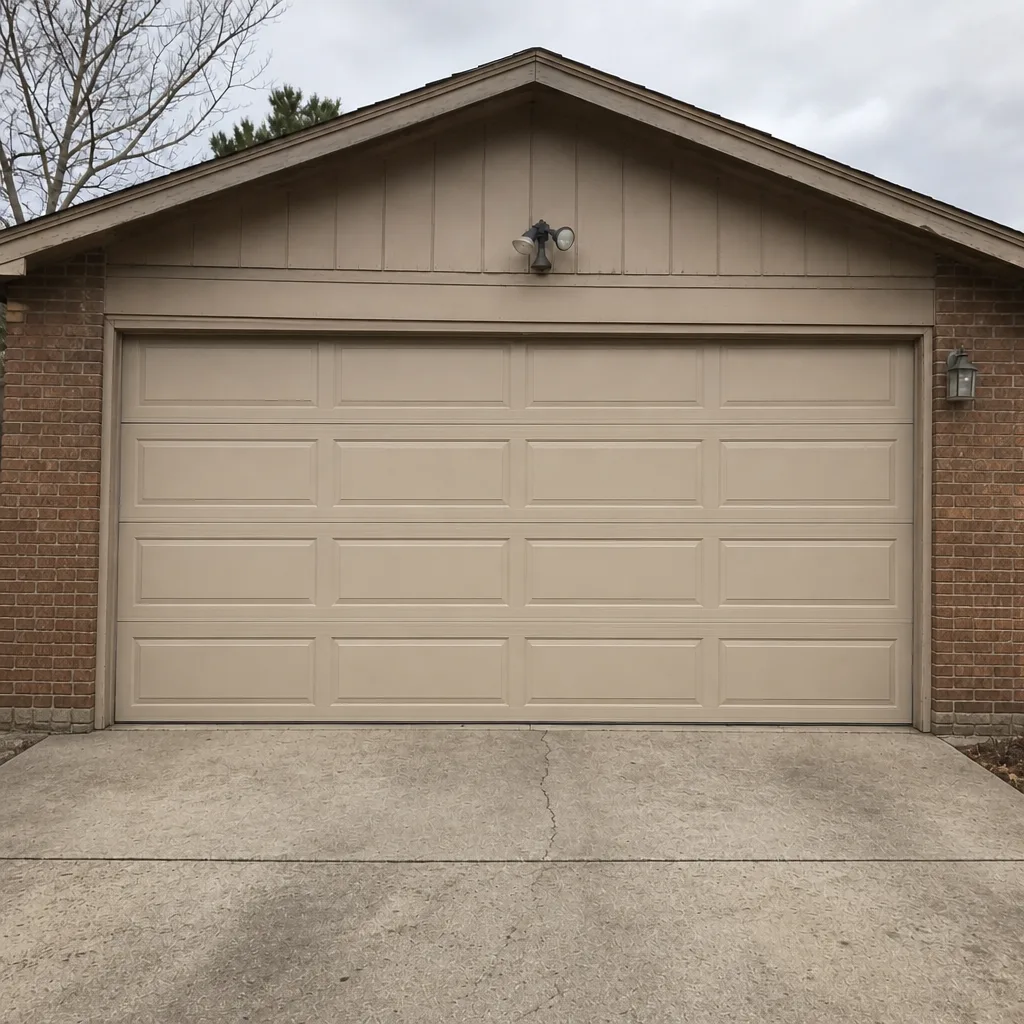 After
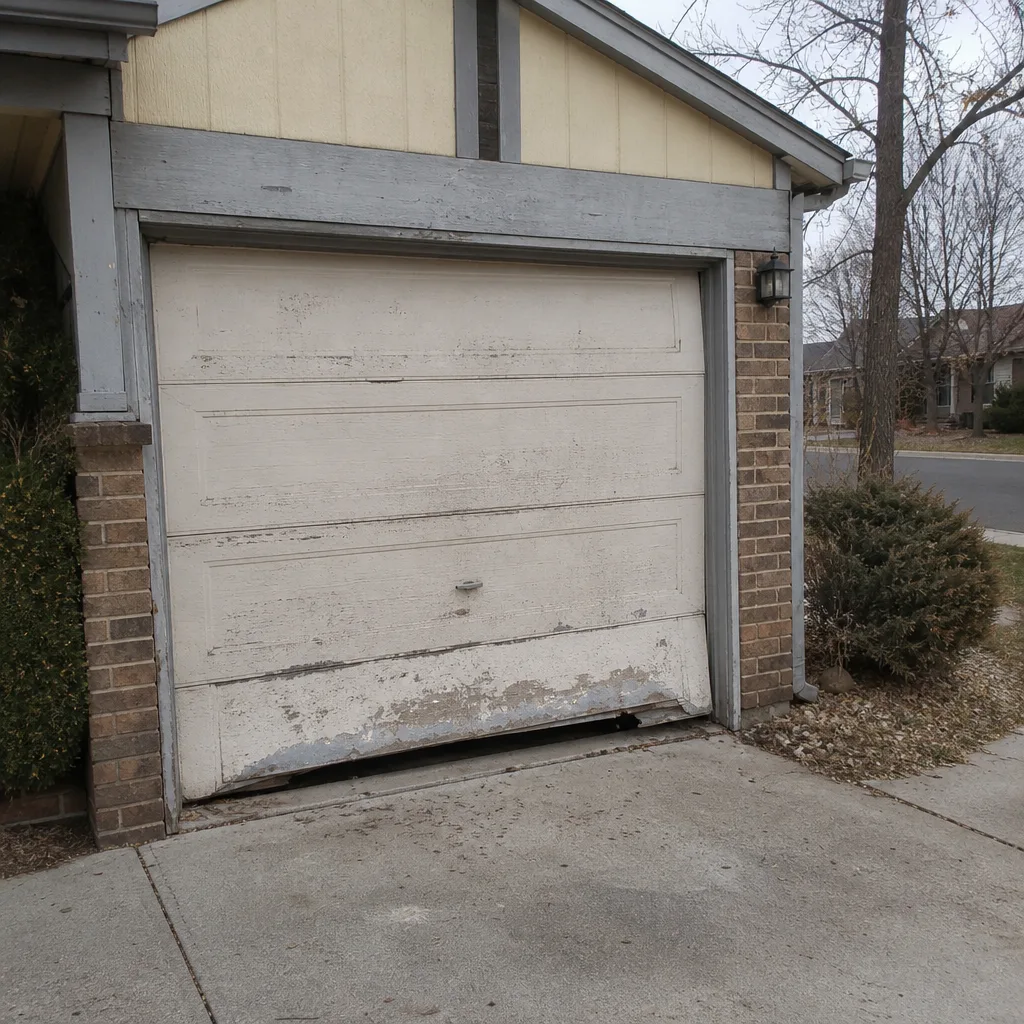 Before
 After
 Before
 After
When to Call a Professional
Call a professional any time a spring has failed, a cable is slack or hanging, the door is too heavy to lift, or an opener runs without moving the door. Those are all signs of stored energy or mechanical failure that isn’t safe to work around. Call immediately if a door is stuck open and the house is exposed, if a car is trapped, or if a door has come off a track. Don’t call a general handyman for a spring or opener problem; the tools and knowledge are specific to garage doors, and the risk is real. Garage Door Repair Lakewood Pros offers free estimates in Lakewood – call (833) 968-4997 to get a specialist scheduled, and describe the symptoms you wrote down so the technician arrives prepared. Our technicians have up to 14 years of experience, and garage doors are the only thing we do.
Frequently Asked Questions
Pull the manual release cord hanging from the opener trolley, then lift the door by hand. The release disconnects the opener so the door can be raised manually. If the door is too heavy to lift, the springs have likely failed and you should call a technician rather than force it. Call (833) 968-4997 for help.
Yes. A door with a snapped spring is unbalanced and far heavier than normal, and it can drop or rack unpredictably. Don’t attempt to raise it. Leave the door closed, keep people clear, and have a trained technician handle the repair. Never touch the springs or cables yourself. Call (833) 968-4997 for an estimate.
Spring repair is quoted per job after the technician inspects the door, because a single failed spring and a full rebuild are different repairs. You’ll get a free written estimate before any work starts, and that written price is what you pay. Call (833) 968-4997 for an exact quote – estimates are free.
You can brace it temporarily to make the opening safe. Use a solid brace under the bottom edge, distribute the load, and don’t strap or drill into the panels. Then get a professional out to fix the cause. Call (833) 968-4997 and describe whether the door is stuck up or down.
A battery backup helps if Front Range storms regularly knock out power in your area, because the door still operates during an outage. It’s only useful if the battery holds a charge, so test it twice a year. If you’re considering an upgrade, our team can help with garage door installation, including opener models with built-in backup. Call (833) 968-4997 for a free estimate.
The local professional we connect you with is licensed and insured as their state requires. We handle the scheduling, and the specialist who arrives works only on garage doors. Our technicians have up to 14 years of experience. Call (833) 968-4997 to get scheduled.
The Bottom Line
Garage door emergencies split into three cases, and each has a different answer. A power outage calls for your manual release – and test it before you need it. A stuck-open door calls for bracing and getting the house secure, not forcing the door down. A broken spring calls for leaving the door alone and having a trained technician handle it. The common thread is patience: the wrong move in any of these scenarios is forcing a door that’s trying to tell you it’s broken. Keep the phone number handy, know your door and opener brands, and you’ll be ahead of most Lakewood homes when a storm hits. Our team at Garage Door Repair Lakewood Pros handles the repair side across the brands you’re likely to own, and we’re here to help.
Ready to get your garage back in working order? Call (833) 968-4997 for a free estimate. Whether you’re dealing with an emergency right now or planning a new door, we’ll walk you through it. Visit Garage Door Repair Lakewood Pros to see the full range of services, and count on a written estimate before any work starts.
Written by the team at Garage Door Repair Lakewood Pros.